
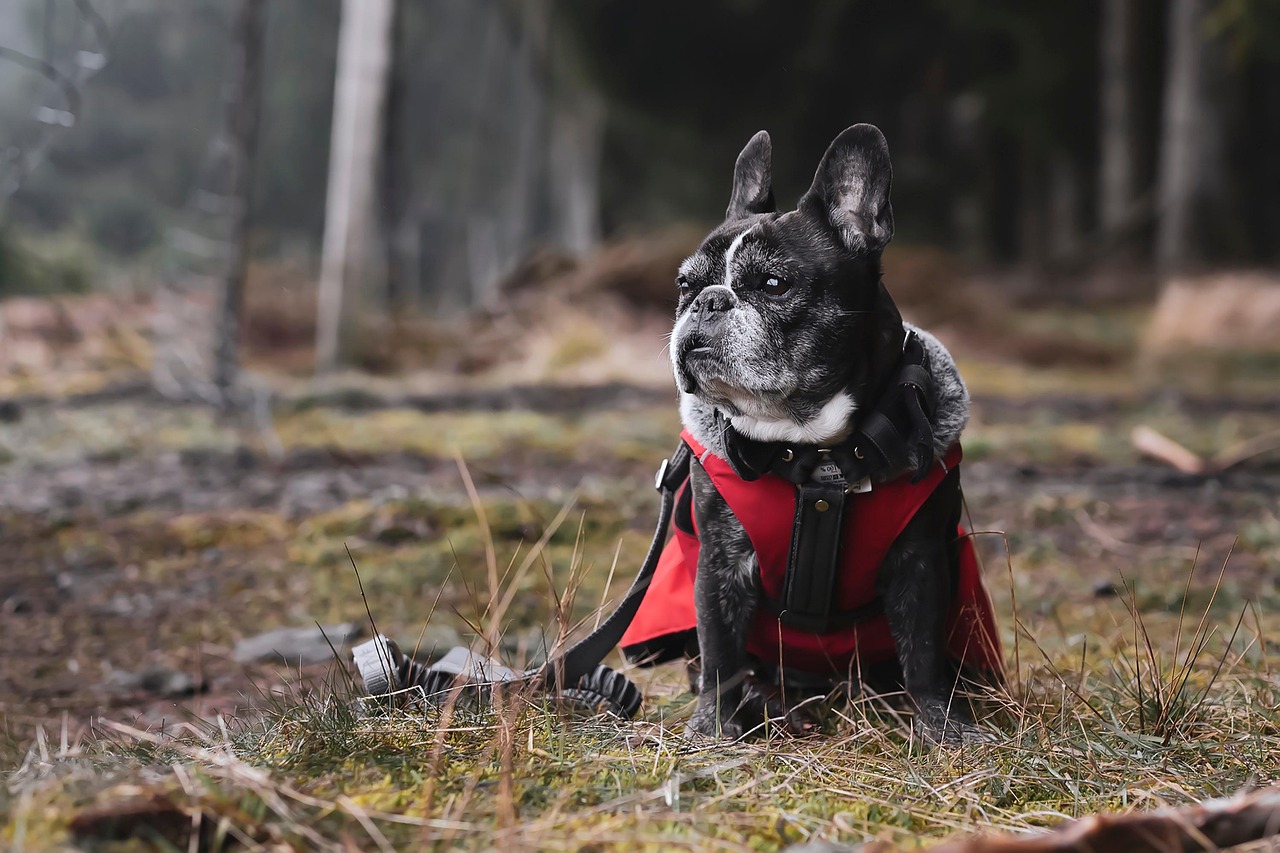
Breathing Easy: Solutions for English Bulldog Respiratory Issues
English Bulldogs are beloved for their wrinkled faces, adorable personalities, and unique appearance. Unfortunately, these charming traits also come with a downside – respiratory issues. Due to their flat faces and compressed nasal passages, English Bulldogs often struggle with breathing difficulties. In this article, we will discuss common respiratory issues faced by English Bulldogs and provide solutions to help your furry friend breathe easy.
Understanding English Bulldog Respiratory Issues
English Bulldogs belong to a brachycephalic breed, characterized by their short noses and flat faces. While this unique feature gives them their distinctive look, it also predisposes them to a variety of respiratory problems. Some of the most common issues include:
1. Brachycephalic Obstructive Airway Syndrome (BOAS)
BOAS is a condition that affects many brachycephalic breeds, including English Bulldogs. It is characterized by an obstruction in the upper airways, which can lead to symptoms such as snoring, wheezing, and difficulty breathing. In severe cases, BOAS can even lead to respiratory distress and heat intolerance.
2. Stenotic Nares
Stenotic nares, or narrowed nostrils, are a common problem in English Bulldogs. When the nostrils are too small or narrow, it can restrict airflow and make breathing difficult. Dogs with stenotic nares often snort, snore, and have trouble breathing, especially during exercise or in hot weather.
3. Elongated Soft Palate
The soft palate is a piece of tissue at the back of the throat that helps control airflow during breathing and swallowing. In English Bulldogs, the soft palate can be too long or thick, leading to obstruction of the airway. Dogs with an elongated soft palate may exhibit symptoms such as noisy breathing, gagging, and snorting.
Solutions for English Bulldog Respiratory Issues
While respiratory issues are common in English Bulldogs, there are several solutions available to help improve their breathing and overall quality of life. Here are some effective strategies to consider:
1. Weight Management
One of the most important steps in managing respiratory issues in English Bulldogs is maintaining a healthy weight. Excess weight can put added stress on the respiratory system and worsen breathing difficulties. Ensure your Bulldog receives a balanced diet and regular exercise to prevent obesity.
2. Surgical Intervention
In severe cases of BOAS, stenotic nares, or elongated soft palate, surgical intervention may be necessary to improve airflow and breathing. Procedures such as rhinoplasty, nares widening, and soft palate resection can help alleviate airway obstruction and improve your Bulldog’s breathing.
3. Environmental Modifications
Make sure your Bulldog’s living environment is conducive to good respiratory health. Keep the air clean and free of irritants, such as dust, smoke, and strong odors. Avoid exposing your Bulldog to extreme temperatures or high humidity, as these conditions can worsen respiratory symptoms.
4. Regular Veterinary Check-ups
Regular visits to the veterinarian are essential for monitoring your Bulldog’s respiratory health and addressing any concerns promptly. Your vet can perform diagnostic tests, such as airway endoscopy or imaging studies, to evaluate the severity of respiratory issues and recommend appropriate treatment options.
FAQs about English Bulldog Respiratory Issues
1. Are respiratory issues common in English Bulldogs?
Yes, respiratory issues are relatively common in English Bulldogs due to their brachycephalic anatomy. It is important to be aware of the signs and symptoms of respiratory problems and seek veterinary care if necessary.
2. Can respiratory issues in English Bulldogs be prevented?
While some respiratory issues in English Bulldogs are genetic and unavoidable, certain preventive measures, such as weight management and environmental modifications, can help reduce the risk of breathing difficulties.
3. What are the signs of respiratory distress in English Bulldogs?
Signs of respiratory distress in English Bulldogs may include rapid or labored breathing, excessive panting, coughing, wheezing, and fainting. If you observe any of these symptoms, seek immediate veterinary attention.
Conclusion
English Bulldogs are prone to respiratory issues due to their unique anatomy, but with proper care and management, these problems can be effectively addressed. By maintaining a healthy weight, considering surgical intervention when necessary, making environmental modifications, and scheduling regular veterinary check-ups, you can help your Bulldog breathe easy and enjoy a happy, healthy life.