
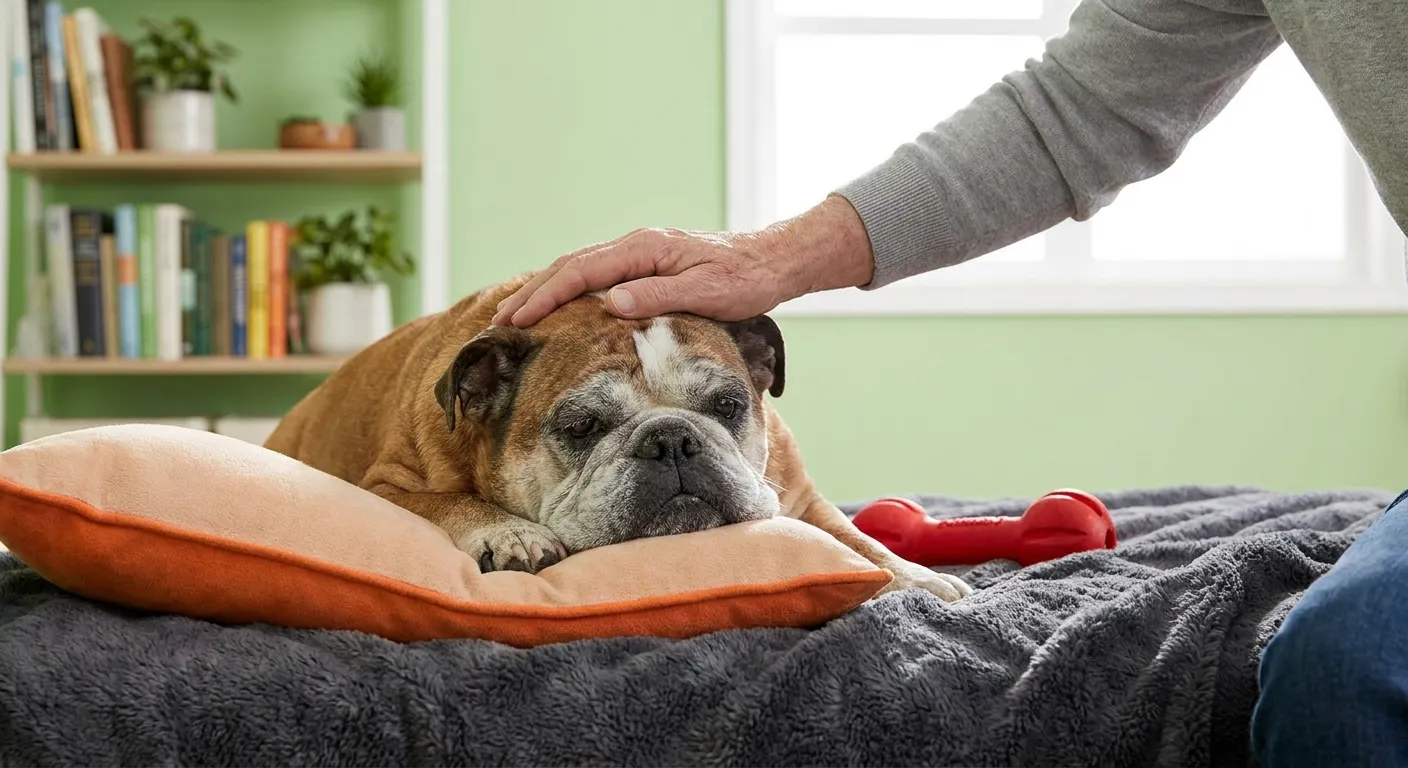
As bulldogs age, their personalities and routines can shift, leading to noticeable bulldog senior behavior changes. While some alterations are a natural part of the aging process, others might signal underlying health issues. As dedicated owners, understanding these shifts is crucial for adapting our care and ensuring our senior companions continue to live their best lives. This article will guide you through common behavioral changes, how to differentiate normal aging from concerns, and practical strategies to support your older bulldog.
Common Behavioral Shifts in Aging Bulldogs
Many older bulldogs experience a range of behavioral changes. These can often be subtle initially but become more apparent over time. Recognizing these older bulldog behavior patterns is the first step towards effective support.
Cognitive Decline (Dementia-like Symptoms)
One of the most concerning shifts can be signs of Canine Cognitive Dysfunction Syndrome (CDS). You might observe disorientation, such as getting stuck in corners or staring blankly at walls. Interactions with family members might change, perhaps showing less enthusiasm or even increased irritability. House-soiling accidents, despite being house-trained for years, can also occur. An aging bulldog temperament might seem a little ‘lost’ at times. For more detailed information on CDS, you can visit AKC’s guide to Canine Cognitive Dysfunction.
Sleep Pattern Alterations
Older bulldogs often nap more during the day but can become restless or anxious at night. They might pace, whine, or seem unable to settle, disrupting both their sleep and yours. This can be due to discomfort, cognitive changes, or simply a shift in their internal clock. Consequently, their internal body clock may shift, leading to nighttime wakefulness.
Increased Anxiety or Irritability
What once didn’t bother your bulldog might now trigger anxiety. Loud noises, new people, or changes in routine can cause stress. Some older dogs may also become more irritable or less tolerant of children or other pets, especially if they are in pain or have impaired senses. Geriatric bulldog personality shifts like this require patience and a calm environment. Indeed, a calm home can make a significant difference.
When Behavior Signals Health Issues
It’s vital to distinguish between normal aging and behavioral changes caused by medical conditions. Many health problems manifest as behavioral symptoms. Therefore, paying close attention to your bulldog’s actions is essential.
Pain-Related Behavioral Changes
Chronic pain, particularly from arthritis or dental disease, can cause a bulldog to become lethargic, reluctant to move, or even aggressive when touched. A normally affectionate dog might snap if a painful area is inadvertently bumped. Any sudden change in a senior bulldog’s habits that includes withdrawal or aggression warrants a vet visit. For example, limping or reluctance to jump are clear indicators.
Vision and Hearing Loss
Diminished senses can lead to confusion, increased startle responses, or clumsiness. A bulldog with poor vision might bump into furniture, while one with hearing loss might not respond to commands, leading to frustration for both pet and owner. Adapting to an environment that accommodates these changes is key. In fact, simple modifications can greatly improve their quality of life.
Underlying Medical Conditions
Various medical issues, from thyroid problems to kidney disease, can manifest as behavioral changes. Increased thirst and urination, for instance, might indicate diabetes or kidney disease. A sudden increase in appetite without weight gain could point to a metabolic disorder. Consequently, a comprehensive veterinary check-up is always recommended when you notice significant behavioral shifts.
Adapting Your Care for Senior Bulldogs
Once you understand the reasons behind your bulldog’s evolving behaviors, you can implement strategies to support them. Adapting your care helps ensure comfort and happiness.
Environmental Adjustments
- Comfortable Bedding: Provide orthopedic beds to ease joint pain.
- Ramps and Stairs: Help them access favorite spots without strain.
- Non-Slip Surfaces: Use rugs or mats on slippery floors to prevent falls.
- Consistent Routine: Maintain a predictable schedule for feeding, walks, and potty breaks to reduce anxiety, especially with bulldog senior behavior changes.
- Safe Space: Create a quiet, easily accessible den where they can retreat.
Dietary and Nutritional Support
Senior bulldogs often benefit from diets formulated for older dogs. These diets typically have fewer calories to prevent weight gain, plus added supplements for joint health like glucosamine and chondroitin. Consult your vet for specific dietary recommendations. Furthermore, ensuring they have constant access to fresh water is crucial.
Gentle Exercise and Mental Stimulation
While intense exercise might be off-limits, gentle, regular walks are still important for mobility and mental well-being. Short, frequent walks are often better than one long one. Puzzle toys and interactive feeders can provide mental stimulation, which is vital for cognitive health. Moreover, short training sessions can keep their minds sharp.
Managing Specific Bulldog Senior Behavior Changes
Addressing particular behavioral shifts requires targeted approaches. Patience and consistency are paramount when dealing with an aging bulldog’s temperament.
Coping with Cognitive Decline
For bulldogs showing signs of CDS, a structured routine is incredibly helpful. Keep furniture in consistent locations to prevent disorientation. Consider doggy diapers for house-soiling accidents, and ensure easy access to outdoor potty areas. Your vet might also recommend medications or supplements that can help manage cognitive symptoms. Importantly, positive reinforcement always works best.
Addressing Sleep Disturbances
If your bulldog is restless at night, ensure they’ve had a final potty break and a comfortable sleeping spot. A nightlight can help if they are disoriented. Sometimes, a gentle massage before bed can promote relaxation. If the problem persists, discuss it with your vet, as pain or anxiety might be contributing factors. In addition, some natural calming aids might be beneficial.
Handling Increased Anxiety and Irritability
Identify and minimize triggers where possible. Create a calm home environment, perhaps using calming pheromone diffusers. Respect your bulldog’s need for space, especially around children or other pets. Never punish an anxious or irritable senior dog; instead, try to understand the underlying cause. Sometimes, a veterinary behaviorist can offer specialized guidance for these significant bulldog senior behavior changes.
The Importance of Regular Veterinary Check-ups
Regular veterinary visits become even more critical as your bulldog ages. Early detection of health issues can significantly improve outcomes and quality of life. Be sure to discuss any new or worsening behavioral changes with your vet. They can differentiate between normal aging and medical conditions requiring intervention. For instance, annual or even semi-annual check-ups are ideal. Furthermore, blood tests and urinalysis can reveal underlying problems before they become severe.
Preventative care, including dental cleanings and appropriate vaccinations, also plays a crucial role in maintaining your senior bulldog’s health. Your vet can also provide guidance on pain management, dietary needs, and supplements to support their aging body and mind. This proactive approach helps to mitigate many of the challenging aspects of aging.
Embracing the Golden Years
Watching our beloved bulldogs age can be bittersweet. However, with understanding, patience, and proactive care, we can ensure their senior years are filled with comfort, dignity, and love. Recognizing and adapting to bulldog senior behavior changes allows us to strengthen our bond and provide the best possible support. Celebrate every moment with your aging companion, cherishing the wisdom and unconditional love they continue to offer. Indeed, these golden years can be incredibly rewarding. For further reading on senior dog care, consider resources like PetMD’s Senior Dog Care Guide.
Conclusion
In conclusion, navigating the senior years with your bulldog involves recognizing and responding to their evolving needs. From subtle shifts in personality to more pronounced signs of cognitive decline or physical discomfort, understanding these changes is fundamental. By making environmental adjustments, providing appropriate nutrition, ensuring gentle exercise, and maintaining regular veterinary care, we can effectively support our aging companions. Embracing these bulldog senior behavior changes with empathy and proactive strategies will ensure your beloved bulldog enjoys a comfortable, happy, and fulfilling life in their golden years. Your dedication makes all the difference.
FAQ Section
What are common signs of an aging bulldog?
Aging bulldogs often show reduced energy, increased napping, changes in sleep patterns, and sometimes disorientation. They might also become more vocal or experience increased anxiety in new situations. Physical signs include graying fur, especially around the muzzle.
How can I tell if my senior bulldog’s behavior is normal aging or a health issue?
Many behavioral shifts are part of normal aging, but sudden or severe changes, such as aggression, loss of appetite, extreme lethargy, or persistent house-soiling, should prompt a vet visit. A professional can rule out underlying medical conditions.
My older bulldog is having accidents indoors. What should I do?
Indoor accidents in senior bulldogs can stem from cognitive decline, weakened bladder control, or pain making it difficult to get outside in time. Ensure frequent potty breaks, consider doggy diapers, and consult your veterinarian to identify the cause and discuss solutions.
Are there ways to help my senior bulldog with joint pain?
Yes, many strategies can help. Provide orthopedic bedding, use ramps to help them access furniture, and maintain a healthy weight. Your vet might recommend joint supplements, pain medication, or even physical therapy to improve comfort and mobility.
How can I keep my older bulldog mentally stimulated?
Mental stimulation is crucial for cognitive health. Offer puzzle toys, engage in short, gentle training sessions, and introduce new scents on walks. Keep routines consistent but introduce small novelties to keep their minds engaged. Even a few minutes of mental exercise daily can make a difference.