As our beloved bulldogs transition into their golden years, their needs evolve, making senior bulldog health care a topic of paramount importance. While the playful spirit of a bulldog often remains, their bodies require more attentive and specialized care. Understanding these changes and proactively addressing them ensures your furry companion enjoys a comfortable, happy, and dignified senior life. This guide will walk you through the essential aspects of caring for your aging bulldog, from common health challenges to tailored daily routines.
Recognizing the Signs of Aging in Your Bulldog
Aging manifests differently in every dog. However, certain signs are common across the breed. You might notice a decrease in energy levels. Furthermore, a reluctance to play as vigorously, or longer periods of sleep are often observed. Physical changes can include a greying muzzle, cloudiness in the eyes (lenticular sclerosis), or a slight stiffness after resting. Behavioral shifts, such as increased vocalization or confusion, can also signal the onset of senior years. Recognizing these early indicators is the first step in providing appropriate aging bulldog health support.
Common Senior Bulldog Ailments and Management
Older bulldogs are prone to specific health conditions. Consequently, these require careful monitoring and management. Early detection and intervention are key to maintaining their quality of life. Therefore, regular veterinary check-ups are essential.
Arthritis and Joint Pain
One of the most prevalent issues for older bulldogs is osteoarthritis, given their sturdy build. Symptoms include limping, difficulty standing up, or reluctance to climb stairs. They may also show irritability when touched in painful areas. Management often involves a combination of veterinary-prescribed pain relief and joint supplements. For example, glucosamine and chondroitin are commonly recommended. Controlled low-impact exercise and comfortable bedding are also crucial. Your vet might also suggest therapies like acupuncture or hydrotherapy.
Dental Disease
Periodontal disease is incredibly common in older dogs. In fact, it can lead to pain, infection, and even impact organ health. Regular professional dental cleanings are crucial. At home, daily brushing with pet-specific toothpaste, dental chews, and water additives can help slow plaque accumulation. Watch for bad breath, swollen gums, or difficulty eating. Furthermore, consult your veterinarian if you notice any changes in your bulldog’s eating habits.
Respiratory Challenges
Bulldogs are brachycephalic, meaning they have short snouts. This can lead to breathing difficulties. As they age, these issues can sometimes worsen due to weakened laryngeal muscles or increased tissue laxity. Maintaining a healthy weight is vital. Avoiding extreme temperatures and using a harness instead of a collar can help. Consult your vet if you notice increased snoring, snorting, or labored breathing. Specifically, these could be signs of a more serious problem.
Cognitive Dysfunction Syndrome (CDS)
Similar to dementia in humans, CDS can affect older dogs. Signs include disorientation, changes in sleep-wake cycles, altered interactions with family, and house-soiling accidents. Affected dogs may also stare blankly at walls or forget familiar commands. If you suspect your bulldog is experiencing CDS, talk to your vet. There are medications and dietary supplements that can help manage the symptoms. Environmental enrichment, such as new toys and puzzles, can also be beneficial.
Nutritional Needs for Your Aging Bulldog
As bulldogs age, their metabolism slows down. Their activity levels typically decrease as well. This means their dietary needs change significantly. Proper nutrition is a cornerstone of effective senior bulldog health care. Senior dog foods are formulated with fewer calories to prevent weight gain. They also contain increased fiber for digestive health. Furthermore, they often include supplements like omega-3 fatty acids for joint and cognitive support. It’s important to feed smaller, more frequent meals to aid digestion. Always ensure fresh water is available. Consult your veterinarian for specific dietary recommendations tailored to your bulldog’s health status and activity level. This personalized approach is crucial for their well-being.
Exercise and Mobility for Senior Bulldogs
Maintaining a moderate exercise routine is vital for senior bulldogs. It helps manage weight, supports joint health, and provides mental stimulation. However, the type and intensity of exercise need to be adjusted. Short, frequent walks are preferable to long, strenuous ones. Avoid high-impact activities like jumping or running. Swimming can be an excellent low-impact option if your bulldog enjoys it and is supervised. Pay close attention to your bulldog’s cues. Do not push them beyond their comfort level. Regular, gentle movement is key to preserving mobility and overall health in older dogs. Furthermore, consider gentle stretching exercises if recommended by your vet.
Preventative Care and Regular Vet Visits
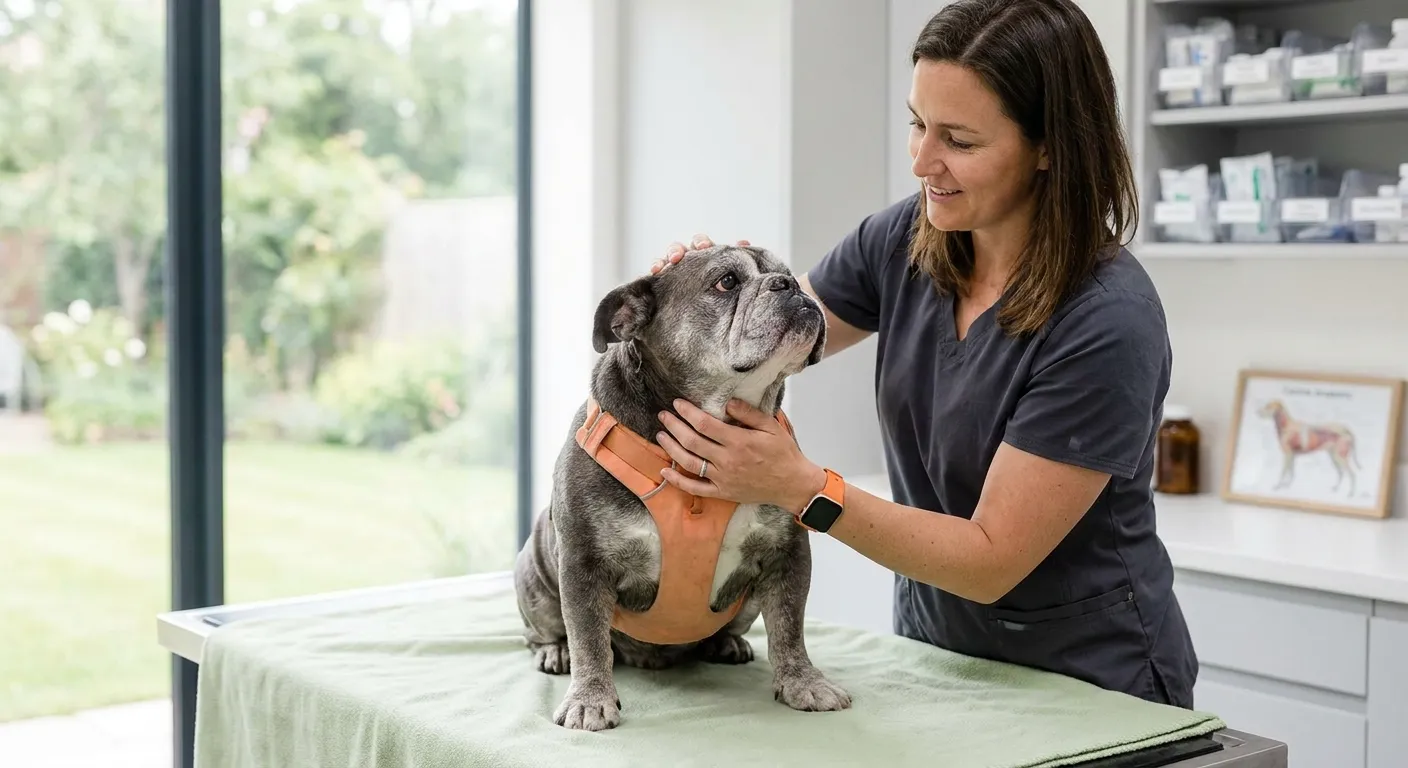
Regular veterinary check-ups become even more critical for aging bulldogs. These visits allow for early detection of potential health issues. Your vet can perform comprehensive exams, blood tests, and urinalysis. These tests help monitor organ function and identify problems before they become severe. Vaccinations and parasite control remain important. Discuss any changes in behavior, appetite, or mobility with your vet. Proactive preventative care is the best strategy for maintaining good senior bulldog health care. It significantly enhances their quality of life. For more information on general pet care, visit ASPCA.
Creating a Comfortable Environment for Your Senior Bulldog
Making your home senior-friendly can significantly improve your bulldog’s quality of life. Provide orthopedic beds to support their joints and alleviate pressure points. Ramps or pet stairs can help them access elevated surfaces like couches or beds safely. Non-slip rugs on slick floors can prevent falls. Ensure their food and water bowls are easily accessible. Consider elevated bowls if they have neck or back pain. A quiet, warm sleeping area is also beneficial. These adjustments contribute greatly to their comfort and independence. Therefore, these considerations are an important aspect of aging bulldog care.
Managing Weight in Older Bulldogs
Weight management is a critical component of senior bulldog health care. Excess weight puts additional strain on joints, exacerbates respiratory issues, and increases the risk of other health problems like diabetes. Work with your vet to establish an ideal weight range for your bulldog. Implement a controlled diet and appropriate exercise regimen. Regular weigh-ins can help monitor progress. Even a small amount of weight loss can make a significant difference in their mobility and overall well-being. This is particularly true for older dogs.
Mental Stimulation and Enrichment
Keeping your senior bulldog mentally engaged is just as important as physical exercise. Puzzle toys, interactive feeders, and short training sessions can provide mental stimulation. Learning new, simple tricks can also be beneficial. Gentle massage not only feels good but can also improve circulation and bonding. Continue to provide opportunities for social interaction. However, ensure these interactions are calm and positive. Mental enrichment helps prevent cognitive decline and keeps your bulldog happy and alert. It is a vital part of comprehensive aging bulldog support.
Grooming Considerations for Senior Bulldogs
Grooming needs may change as your bulldog ages. They might find it harder to groom themselves. Regular brushing helps remove loose fur and stimulates circulation. Pay special attention to their skin folds, keeping them clean and dry to prevent infections. Nail trims are crucial. Overgrown nails can cause pain and affect their gait. Gentle cleaning of their ears and eyes should also be part of the routine. If bathing, use warm water and a non-slip mat. Make the experience as comfortable as possible. These grooming practices are essential for older bulldog care.
When to Seek Veterinary Attention
While this guide covers many aspects of senior bulldog health care, it’s crucial to know when to seek professional veterinary help. Any sudden changes in appetite, thirst, urination, or bowel movements warrant immediate attention. Similarly, persistent lameness, difficulty breathing, unexplained weight loss or gain, or behavioral changes like increased anxiety or aggression should prompt a vet visit. Do not hesitate to contact your veterinarian with any concerns about your aging bulldog’s health. They are your best resource for expert advice and treatment. For more detailed health information, consult resources like AKC’s Senior Dog Care section.
Conclusion
Caring for a senior bulldog is a rewarding experience. It demands patience, attentiveness, and a commitment to their evolving needs. By understanding the signs of aging, managing common ailments, providing appropriate nutrition and exercise, and ensuring regular veterinary care, you can significantly enhance their quality of life. These comprehensive senior bulldog health care strategies ensure your beloved companion enjoys their golden years with comfort, dignity, and joy. Cherish every moment with your loyal friend, providing them with the best possible care as they age gracefully.
Frequently Asked Questions About Aging Bulldog Care
What are the first signs of aging in a bulldog?
The first signs often include decreased energy, longer sleep periods, a greying muzzle, and slight stiffness after resting. You might also notice changes in their playfulness or a general slowdown in activity.
How often should an older bulldog visit the vet?
Generally, senior bulldogs should have veterinary check-ups every six months. These more frequent visits allow for early detection and management of age-related health conditions.
What kind of diet is best for a senior bulldog?
A diet specifically formulated for senior dogs is usually best. These foods are lower in calories, higher in fiber, and often contain joint-supporting supplements. Always consult your vet for personalized dietary advice.
Can senior bulldogs still exercise?
Yes, but their exercise routine should be modified. Short, gentle walks, low-impact activities like swimming, and avoiding strenuous play are recommended. The goal is to maintain mobility without overexertion.
How can I make my home more comfortable for an aging bulldog?
Provide orthopedic beds, use ramps or pet stairs for elevated surfaces, and place non-slip rugs on slick floors. Ensure food and water bowls are easily accessible, possibly elevated, and maintain a quiet, warm sleeping area.