Training a bulldog can be a rewarding experience. Utilizing positive bulldog training methods is key to fostering a strong bond and a well-behaved companion. Bulldogs are intelligent but can be notoriously stubborn. Therefore, positive reinforcement, which focuses on rewarding desired behaviors, is far more effective than punitive approaches. This encourages your bulldog to learn with enthusiasm and trust.
A well-trained bulldog is a joy to live with. Furthermore, early and consistent training sets the foundation for a lifetime of good behavior. Many owners find that understanding their bulldog’s unique personality helps immensely. Consequently, tailoring your approach to their individual quirks will enhance the training process.
The Foundations of Positive Bulldog Training
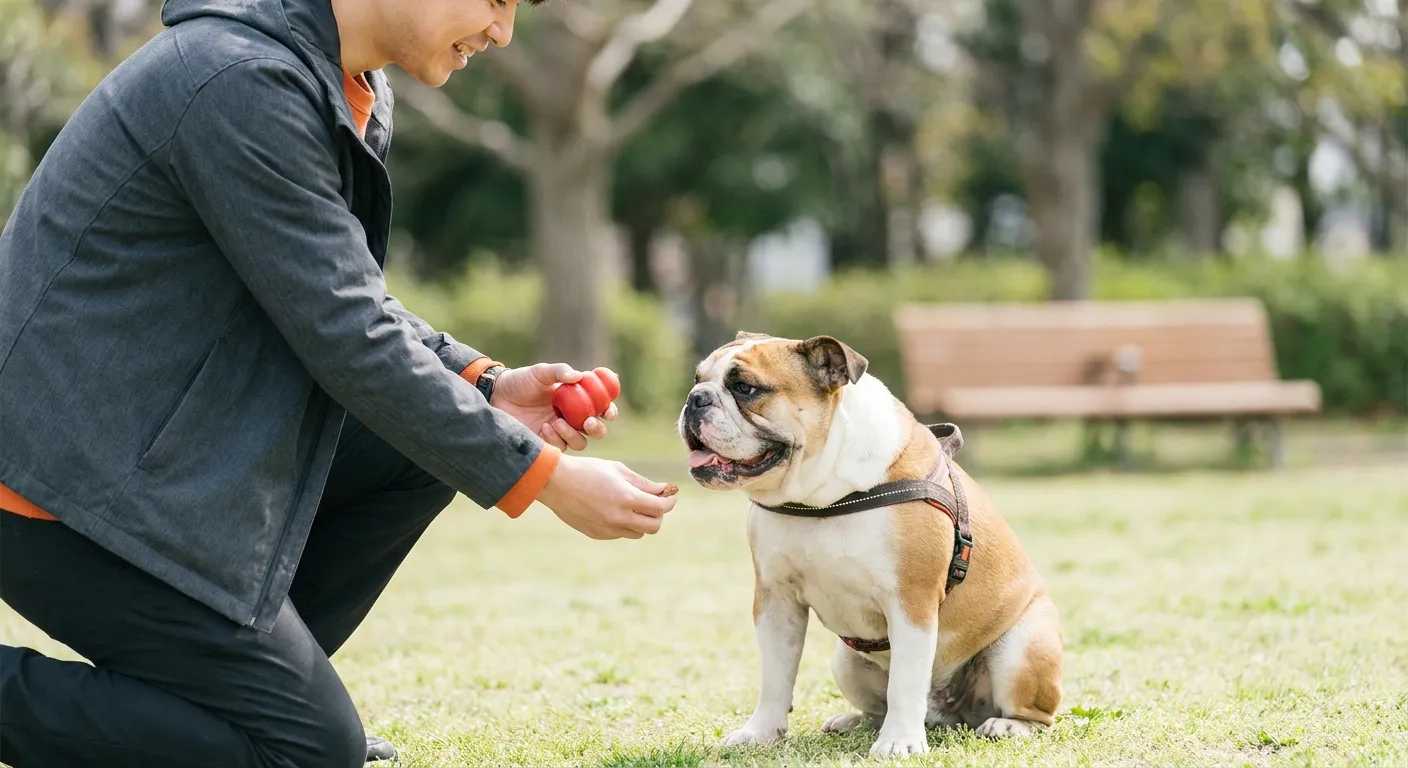
Start with the basics: teaching your bulldog puppy their name, ‘sit,’ ‘stay,’ and ‘come.’ Keep training sessions short, fun, and consistent, ideally 5-10 minutes a few times a day. Use high-value treats, praise, and toys as rewards immediately after your bulldog performs the desired action. The timing of the reward is crucial for your dog to connect the action with the positive outcome. Avoid scolding or physical punishment, as this can create fear and anxiety, hindering the learning process and potentially damaging your relationship. Indeed, building trust is paramount.
For instance, when teaching ‘sit,’ hold a treat near your bulldog’s nose and move it slowly over their head. As their head goes up, their rear end naturally lowers. The moment their bottom touches the ground, say ‘sit’ and give the treat and praise. Repeat this process several times. Soon, your bulldog will associate the command with the action. Similarly, practice ‘stay’ by having them sit, then taking one step back, saying ‘stay,’ and immediately returning to reward them if they remain. Gradually increase distance and duration.
Understanding Bulldog Motivation
Bulldogs respond exceptionally well to food motivation. In addition, they appreciate positive attention. Knowing what truly motivates your specific bulldog is a significant advantage. Some bulldogs might prefer a favorite squeaky toy over a treat. Others might work harder for verbal praise and a good ear scratch. Observe your bulldog’s reactions carefully. This will help you identify their preferred rewards. Consequently, you can make training sessions even more effective and enjoyable for them.
Moreover, bulldogs thrive on routine. Establishing a predictable training schedule can help them anticipate and engage in learning. For example, training sessions could occur before meal times. This makes them more eager to earn their rewards. Consistency, therefore, is not just about the commands but also about the overall environment you create for learning.
Mastering House Training and Leash Manners
House training is a fundamental aspect of positive bulldog training. Establish a consistent potty schedule, taking your puppy out frequently, especially after waking up, eating, and playing. Reward them generously when they eliminate outside. For leash training, introduce the collar and leash gradually, making it a positive experience with treats. Practice walking in a quiet area, rewarding loose-leash walking and gentle behavior. Patience is paramount; setbacks can happen, but consistency with positive reinforcement will yield results.
Regarding house training, remember that accidents will occur. When they do, clean them up without scolding. Instead, reinforce outdoor elimination even more strongly. Consider using a crate as a house-training aid. Bulldogs generally do not like to soil their sleeping area. Therefore, a crate can help them learn to hold it until they are taken outside. Ensure the crate is the correct size – just enough room to stand, turn around, and lie down comfortably.
Effective Leash Training Techniques
Leash training requires particular attention. Bulldogs often have strong pulling tendencies due to their powerful build. Start indoors, allowing your bulldog to wear the collar for short periods. Introduce the leash by attaching it and letting them drag it around under supervision. This helps them get used to the feeling. When you begin outdoor walks, use a front-clip harness. This type of harness redirects their pulling energy back towards you, making it harder for them to pull. Consequently, it makes walks more pleasant for both of you.
Reward your bulldog for walking calmly by your side. If they pull, stop walking immediately. Only resume when the leash slackens. This teaches them that pulling gets them nowhere. Conversely, loose-leash walking keeps the walk moving forward. This method of dog training for bulldogs is highly effective. Furthermore, keep initial walks short and positive. Gradually increase duration and introduce new environments as your bulldog gains confidence.
Tackling Common Behavioral Challenges with Positive Reinforcement
Bulldogs, like all breeds, can develop specific behavioral challenges. These include excessive barking, chewing, or jumping. Addressing these issues with positive reinforcement is crucial. Instead of punishing the unwanted behavior, focus on redirecting it towards an appropriate outlet and rewarding the desired alternative. For example, if your bulldog chews on furniture, provide them with plenty of appropriate chew toys. When they choose a toy, praise them and offer a treat. This reinforces the correct chewing behavior.
For jumping, ignore your bulldog when they jump up. Turn your back and walk away. Only give them attention when all four paws are on the floor. Then, reward them with praise and a gentle pet. This teaches them that calm greetings get attention. Similarly, if excessive barking is an issue, identify the trigger. If they bark at the doorbell, for instance, practice by having someone ring it. When your bulldog remains quiet, reward them. If they bark, wait for a moment of quiet before rewarding. This type of bulldog behavior training is about consistency and patience.
Socialization and Advanced Training
Socialization is an ongoing process that benefits all bulldogs. Exposing your bulldog to various people, places, sounds, and other friendly dogs helps them become well-adjusted and confident. Always ensure these experiences are positive. For example, introduce them to new dogs in a controlled, safe environment. Reward calm interactions with treats and praise. This builds positive associations. Consult resources like the American Kennel Club’s guide to dog socialization for more in-depth information.
Once your bulldog has mastered basic commands, consider advanced training. This could include trick training, agility (modified for their build), or even therapy dog work. These activities provide mental stimulation and further strengthen your bond. Moreover, they offer new opportunities for positive reinforcement. Learning new skills keeps your bulldog engaged and happy. This further solidifies the benefits of positive reinforcement training for bulldogs.
The Role of Consistency and Patience in Training Your Bulldog
Consistency is arguably the most vital ingredient in any successful dog training program. Every member of the household must use the same commands and apply the same rules. If one person allows the bulldog on the couch but another doesn’t, your bulldog will become confused. This inconsistency slows down the learning process. Therefore, ensure everyone is on the same page regarding expectations and rewards. This cohesive approach significantly benefits your bulldog’s understanding.
Patience, too, is indispensable. Bulldogs, while intelligent, can be stubborn. There will be days when progress seems slow or even nonexistent. Do not get discouraged. Remember that every dog learns at their own pace. Celebrate small victories and avoid frustration. A calm, patient trainer fosters a more confident and willing learner. Furthermore, short, frequent training sessions are often more effective than long, infrequent ones. This maintains your bulldog’s attention and enthusiasm.
Why Positive Reinforcement Works Best for Bulldogs
Punitive training methods can be particularly detrimental to bulldogs. Their sensitive nature means they can easily become anxious or fearful. This damages the trust between you and your dog. In contrast, positive bulldog training builds a foundation of trust and respect. When your bulldog associates training with positive experiences and rewards, they become eager to participate. This makes them more responsive and willing to learn. Indeed, this approach creates a happy and well-adjusted companion.
Positive methods also encourage your bulldog to think and offer behaviors rather than simply avoiding punishment. This fosters a more independent and confident learner. They learn to make good choices because those choices lead to rewards. This differs significantly from performing an action out of fear. Ultimately, the goal is a joyful partnership built on mutual understanding. For additional insights on canine behavior and training, resources like ASPCA’s dog behavior section can be helpful.
Maintaining Good Habits Throughout Your Bulldog’s Life
Training isn’t a one-time event; it’s an ongoing process. As your bulldog matures, continue to practice commands and introduce new challenges. Regular mental and physical exercise is crucial for maintaining good behavior. This helps prevent boredom, which can lead to destructive habits. For example, puzzle toys can provide mental stimulation. Daily walks and playtime offer physical exercise. These activities reinforce the positive habits you’ve worked hard to establish through positive dog training for bulldogs.
Furthermore, life changes can sometimes impact a bulldog’s behavior. A new home, a new family member, or a change in routine might require a refresher in certain training areas. Be prepared to revisit basic commands and offer extra reassurance during these times. Your consistent application of positive bulldog training will help your companion navigate these changes smoothly. This ensures they remain a well-behaved and happy member of your family.
By embracing positive reinforcement, you’re not just teaching commands. You’re building confidence and a cooperative spirit in your bulldog. This approach ensures a happy learning environment and strengthens the unique bond you share, making every training milestone a joyful achievement. Ultimately, positive bulldog training leads to a harmonious life together. It’s a testament to the power of kindness and understanding in building a wonderful relationship with your beloved bulldog.
FAQ
How long does it take to house train a bulldog puppy?
House training duration varies by individual puppy. However, with consistent positive reinforcement and a strict schedule, most bulldog puppies can be reliably house-trained within 2-4 months. Some may take a bit longer. Patience and consistency are key.
What are the best treats for bulldog training?
High-value, small, soft treats are often best for bulldog training. These include small pieces of cooked chicken, cheese, or commercially available training treats. Ensure they are easy to swallow quickly so as not to interrupt the flow of training.
Can an older bulldog be trained using positive methods?
Absolutely! Older bulldogs can certainly learn new behaviors and habits with positive reinforcement. It might take a bit more patience and consistency, as older dogs have established routines, but their capacity to learn remains. Focus on short, rewarding sessions.
Why is positive reinforcement preferred over punishment for bulldogs?
Positive reinforcement builds trust and a strong bond between you and your bulldog. It encourages them to learn willingly and enthusiastically. Punishment, conversely, can lead to fear, anxiety, and a breakdown of trust, hindering the learning process and potentially causing behavioral issues.
How often should I train my bulldog puppy?
For bulldog puppies, aim for short, frequent training sessions, ideally 5-10 minutes each, 3-5 times a day. This keeps them engaged and prevents them from becoming overwhelmed or bored. Consistency across these sessions is more important than length.