Bringing a new bulldog puppy into your home is an exciting time, yet it also involves significant responsibilities, particularly concerning their health. Early veterinary care is paramount for establishing a strong foundation for your bulldog’s lifelong well-being. Bulldogs have unique health considerations due to their brachycephalic (short-nosed) structure, making proactive and informed veterinary attention even more critical. This comprehensive guide will walk you through what to expect from your bulldog puppy vet visits, crucial health checks, and how to select the best veterinarian to partner with you on this journey.
Why Early Vet Care is Non-Negotiable for Bulldog Puppies
The first few months of a bulldog puppy’s life are a period of rapid development and vulnerability. Their immune systems are still maturing, making them susceptible to various common puppy ailments and infectious diseases. Regular veterinary visits during this time allow for timely vaccinations, deworming, and crucial health screenings that can prevent serious issues down the line. Beyond immediate health, these early appointments are an opportunity for your veterinarian to establish a baseline for your puppy’s health, discuss breed-specific concerns, and offer personalized advice on nutrition, training, and socialization. Consequently, these initial interactions are vital for their overall development.
Your Bulldog Puppy’s First Vet Appointment: What to Expect
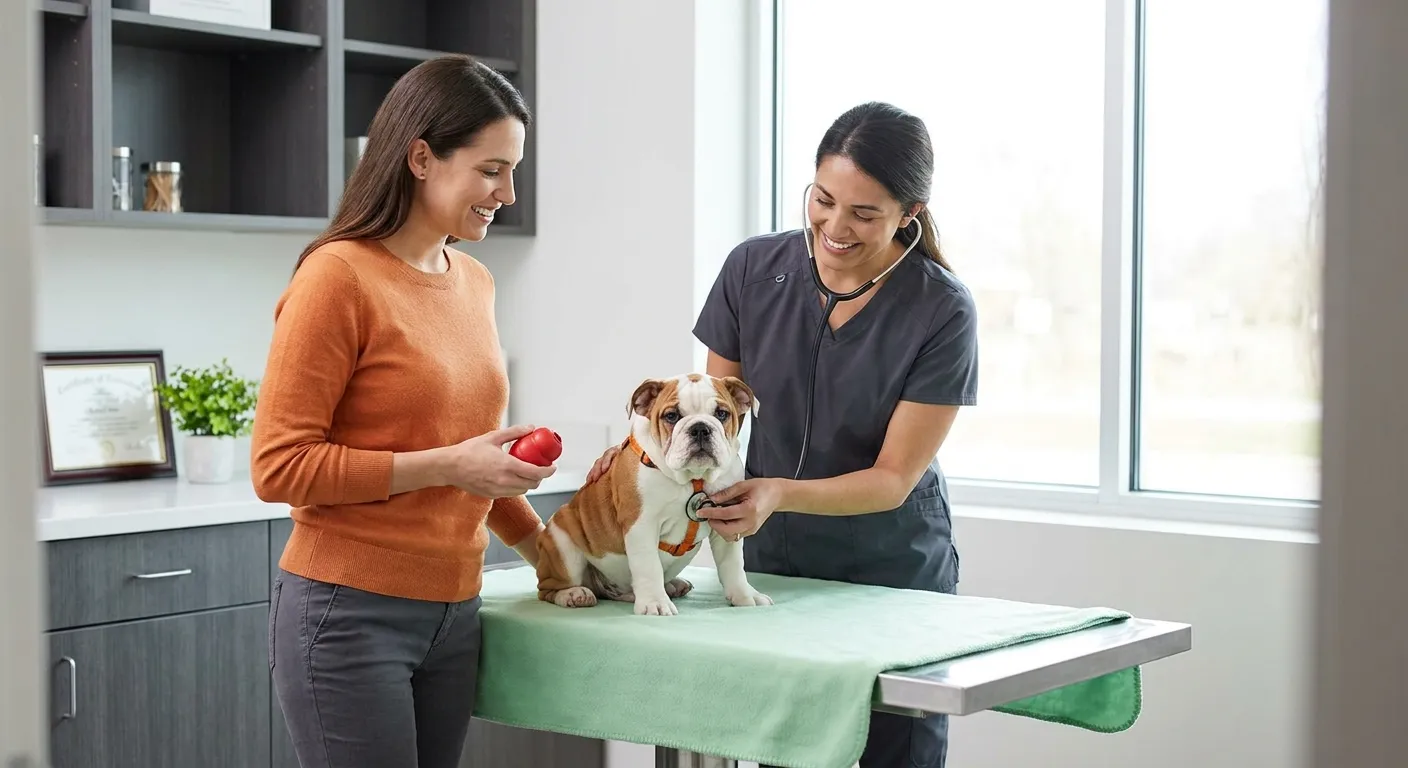
Your puppy’s very first vet visit, ideally within a few days of bringing them home, is primarily a ‘well-puppy’ check-up. The veterinarian will perform a thorough physical examination, checking everything from their eyes, ears, and teeth to their heart, lungs, and joints. They will also check for any congenital conditions common in the breed, such as palate issues or umbilical hernias. Therefore, this initial assessment is incredibly thorough.
Key components of this initial visit often include:
- Comprehensive Physical Exam: Assessing overall health, weight, and body condition.
- Fecal Exam: To check for intestinal parasites, which are very common in puppies.
- Discussion of Vaccination Schedule: Reviewing past vaccinations (if any) and planning the next series of core vaccines (Distemper, Adenovirus, Parvovirus, Parainfluenza, Rabies).
- Deworming: Administering a broad-spectrum dewormer.
- Flea and Tick Prevention: Discussing appropriate preventative measures.
- Nutritional Guidance: Recommendations on appropriate puppy food and feeding schedules.
- Microchipping: Often offered during one of the early visits for identification purposes.
Subsequent veterinary care for bulldog puppies will focus on completing the vaccination series, continued deworming, and monitoring growth and development. These visits are also excellent opportunities to ask any questions you have about your puppy’s behavior, training, or general care. Furthermore, consistent follow-ups ensure your puppy stays on track.
Common Health Concerns to Discuss with Your Vet During Bulldog Puppy Vet Visits
Bulldogs, while charming, are prone to specific health issues due to their unique anatomy. Being aware of these and discussing them with your veterinarian during your bulldog puppy vet visits is crucial. Brachycephalic Obstructive Airway Syndrome (BOAS) is a primary concern, involving narrowed nostrils, an elongated soft palate, and a hypoplastic trachea. Symptoms like heavy panting, snoring, and exercise intolerance should be monitored. Your vet can advise on managing these symptoms and, if necessary, surgical options. Additionally, skin fold dermatitis is common due to their wrinkles; proper cleaning and care are essential to prevent infections. Hip and elbow dysplasia are also concerns, so your vet will likely check for joint health during examinations. Therefore, early detection and management are key.
Other potential issues include:
- Cherry Eye: A condition where the third eyelid prolapses.
- Entropion: Inward rolling of the eyelids, which can irritate the eyes.
- Dental Issues: Bulldogs are prone to crowded teeth, requiring regular dental checks.
- Allergies: Both food and environmental allergies can affect bulldogs.
- Heat Sensitivity: Due to their short snouts, bulldogs can overheat quickly.
Discussing these breed-specific conditions thoroughly with your vet will help you prepare for and manage any potential health challenges. Your veterinarian can provide tailored advice and preventative strategies. Moreover, they can guide you on lifestyle adjustments to keep your bulldog comfortable and healthy.
Selecting the Right Veterinarian for Your Bulldog Puppy
Choosing the right veterinarian is a critical decision for your bulldog puppy’s health. Look for a vet who has experience with brachycephalic breeds and understands their unique needs. A good veterinarian will be patient, communicative, and willing to answer all your questions. Consider visiting a few clinics before making a final decision. Pay attention to the cleanliness of the facility, the friendliness of the staff, and the overall atmosphere. Furthermore, inquire about emergency services and after-hours care. A strong partnership with your vet will be invaluable throughout your bulldog’s life.
Key Factors When Choosing a Vet:
- Experience with Bulldogs: Essential for understanding breed-specific health issues.
- Location and Hours: Convenient access for regular and emergency visits.
- Staff Friendliness and Professionalism: A welcoming and supportive environment.
- Facility Cleanliness and Equipment: Indicates a commitment to high standards of care.
- Communication Style: A vet who explains things clearly and listens to your concerns.
- Emergency Services: Knowing your options for urgent situations is crucial.
Don’t hesitate to ask for a consultation visit to meet the vet and tour the facility before your first bulldog puppy vet visits. This allows you to assess their approach and ensure it aligns with your expectations for your puppy’s care. Moreover, it builds trust and confidence in your chosen veterinary team.
Preparing for Your Bulldog Puppy Vet Visits
Proper preparation can make your bulldog puppy vet visits smoother and less stressful for both you and your puppy. Before your appointment, gather any existing health records from the breeder or shelter, including vaccination history and deworming dates. Make a list of any questions or concerns you have about your puppy’s health, diet, behavior, or training. This ensures you cover all important topics during your limited appointment time. Furthermore, bring a small sample of your puppy’s stool for the fecal exam. This saves time and ensures a prompt diagnosis if parasites are present.
Tips for a Smooth Vet Visit:
- Socialization: Gently expose your puppy to car rides and new environments beforehand.
- Positive Reinforcement: Bring treats and toys to create positive associations with the vet’s office.
- Leash and Collar: Ensure your puppy is comfortable walking on a leash.
- Crate Training: If using a crate for transport, make sure your puppy is familiar with it.
- Early Arrival: Arrive a few minutes early to allow your puppy to acclimate to the waiting room.
Remember, your calm demeanor will help your puppy feel more secure. These early bulldog puppy vet visits are crucial for building a positive relationship with veterinary care. Consequently, a well-prepared visit benefits everyone.
The Importance of Vaccinations and Parasite Prevention During Early Bulldog Puppy Vet Visits
Vaccinations are a cornerstone of preventative care for bulldog puppies. They protect against highly contagious and often life-threatening diseases. Your veterinarian will outline a specific vaccination schedule tailored to your puppy’s age, local disease prevalence, and lifestyle. Core vaccines typically include Distemper, Adenovirus, Parvovirus, and Rabies. Non-core vaccines, like Leptospirosis or Bordetella, may be recommended based on your puppy’s risk factors. Additionally, parasite prevention is equally vital. Puppies are highly susceptible to intestinal worms, fleas, and ticks. Regular deworming and appropriate flea and tick preventatives, as prescribed by your vet, are essential for their health and your household’s hygiene. For more information on preventative care, you can visit the American Veterinary Medical Association website.
Moreover, consistent prevention helps avoid costly and uncomfortable treatments later on. Your vet will discuss the best options for your puppy during your bulldog puppy vet visits. For example, some preventative medications cover multiple parasites. Therefore, understanding the schedule and products is very important.
Nutrition and Diet Discussions During Bulldog Puppy Vet Visits
Proper nutrition is fundamental for a growing bulldog puppy. During your bulldog puppy vet visits, your veterinarian will discuss appropriate puppy food, feeding schedules, and portion sizes. Bulldogs can be prone to obesity, which exacerbates their brachycephalic issues and puts strain on their joints. Therefore, maintaining a healthy weight is crucial. Your vet can recommend a high-quality puppy food specifically formulated for large breeds or those with sensitive stomachs, if applicable. They will also advise against certain human foods that are toxic to dogs. In addition, they can guide you on the introduction of treats and supplements, ensuring a balanced diet. For advice on healthy treats, consider exploring safe chew toys that can also aid dental health.
Furthermore, discussing your puppy’s eating habits and any digestive issues with your vet can help identify potential problems early. For instance, some puppies may experience sensitivities to certain ingredients. Regular check-ups help monitor growth and adjust dietary plans as your puppy matures. Consequently, a well-balanced diet supports overall health and development.
Behavioral and Training Guidance from Your Vet
Beyond physical health, your veterinarian can be a valuable resource for behavioral and training advice. During your bulldog puppy vet visits, don’t hesitate to discuss common puppy behaviors such as nipping, house-training challenges, or separation anxiety. Your vet can offer initial tips, recommend puppy classes, or refer you to a certified professional dog trainer or behaviorist if needed. Early socialization is particularly important for bulldogs to ensure they grow into well-adjusted adults. Discussing socialization strategies with your vet can help prevent future behavioral problems. For example, positive reinforcement techniques are often very effective. In addition, addressing concerns promptly can prevent them from escalating. You might find resources on our blog helpful for general training tips.
These early discussions are vital for fostering a strong bond between you and your puppy. Moreover, they contribute significantly to your bulldog’s overall quality of life. A well-behaved bulldog is a happy bulldog. Furthermore, addressing behavioral issues early can prevent stress for both the puppy and the owner. Consequently, your vet is a key partner in this aspect of care.
Long-Term Health Planning and Ongoing Bulldog Puppy Vet Visits
Establishing a consistent schedule of bulldog puppy vet visits sets the stage for a lifetime of good health. As your puppy grows, these visits will transition from frequent puppy checks to annual wellness exams. These annual appointments remain crucial for preventative care, including booster vaccinations, parasite screenings, and early detection of age-related conditions. Your vet will continue to monitor your bulldog’s weight, dental health, and overall physical condition. They can also discuss spaying or neutering, microchipping, and appropriate senior care as your bulldog ages. Regular communication with your veterinary team ensures that any changes in your bulldog’s health or behavior are promptly addressed. Indeed, proactive care is the best approach for a long and healthy life. For further insights into pet health, the ASPCA website offers extensive resources.
Furthermore, maintaining an open dialogue with your vet about any concerns, no matter how minor, is always recommended. Your bulldog’s health journey is a partnership between you, your vet, and your beloved pet. These ongoing bulldog puppy vet visits are indispensable for their continuous well-being. Ultimately, a healthy bulldog brings immense joy to your family.
Conclusion
Navigating bulldog puppy vet visits is an essential part of responsible pet ownership. From the initial well-puppy check-ups to ongoing preventative care, these appointments lay the groundwork for a healthy and happy life for your bulldog. By understanding what to expect, preparing thoroughly, and partnering with a knowledgeable veterinarian, you can confidently address your bulldog’s unique health needs. Remember, early intervention, consistent care, and open communication with your vet are key to ensuring your beloved bulldog puppy thrives. Your commitment to these early vet visits will pay dividends in their long-term health and happiness. We at Bulldog Experts are here to support you on this journey.
FAQ
What is the typical schedule for initial puppy veterinary appointments?
Generally, puppy veterinary appointments begin around 6-8 weeks of age and continue every 3-4 weeks until they are about 16 weeks old. This schedule allows for the completion of their core vaccination series and regular health checks. Your vet will provide a specific plan.
How can I make my young bulldog’s trip to the vet less stressful?
To reduce stress, try positive reinforcement with treats and praise during car rides and at the clinic. Short, positive visits to the vet’s office just for treats, without an exam, can also help. Familiarize your puppy with their carrier or leash. Your calm demeanor is also very important.
What are some common health issues specific to bulldog puppies?
Bulldog puppies are prone to Brachycephalic Obstructive Airway Syndrome (BOAS), skin fold dermatitis, cherry eye, and hip/elbow dysplasia. Regular check-ups with your vet are crucial for early detection and management of these breed-specific conditions. Discussing these concerns during early veterinary care is vital.
When should my bulldog puppy receive their first vaccinations?
Core vaccinations typically start between 6-8 weeks of age, with booster shots administered every 3-4 weeks until around 16 weeks. Rabies vaccination is usually given as a single dose around 12-16 weeks. Your veterinarian will outline the precise schedule for your specific puppy.
Is microchipping recommended during early veterinary check-ups?
Yes, microchipping is highly recommended and often offered during one of your puppy’s early veterinary check-ups. It provides permanent identification, significantly increasing the chances of being reunited with your bulldog if they ever get lost. This simple procedure is quick and relatively painless for your puppy.