
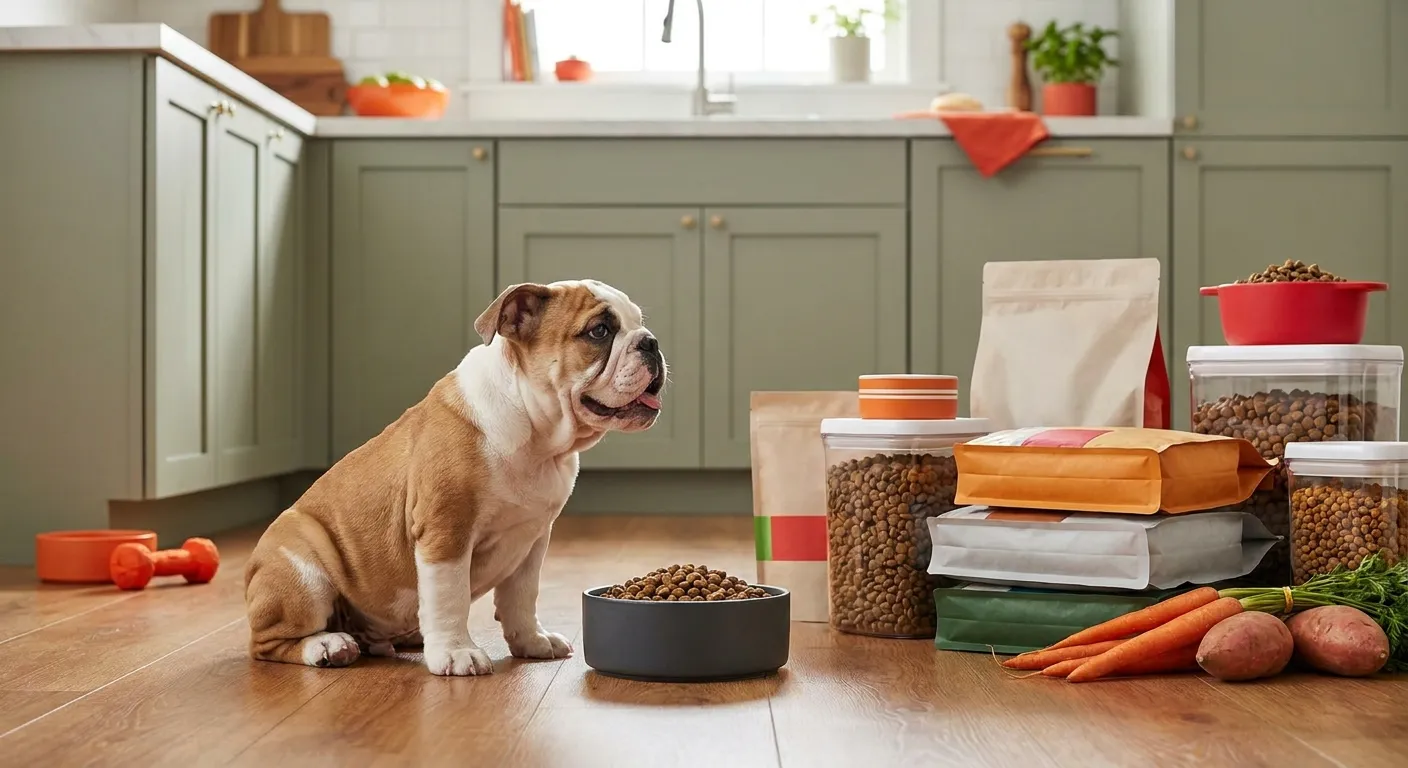
Welcoming a bulldog puppy into your home means taking on the responsibility of nurturing their unique needs. Paramount among these is their diet. Selecting the best bulldog puppy food is not merely about filling a bowl; it’s about fueling their rapid growth, supporting their developing immune system, and addressing breed-specific health considerations. Bulldogs require a carefully balanced diet to ensure proper bone and muscle development without promoting excessive weight gain. Indeed, excess weight can exacerbate their predispositions to joint and respiratory issues. This guide will delve into the nutritional requirements of bulldog puppies, help you decode food labels, and provide actionable advice for making informed dietary choices.
Understanding Bulldog Puppy Nutritional Needs
Bulldog puppies grow quickly, but they also have a propensity for weight gain. Their nutritional needs differ significantly from adult bulldogs and even from puppies of other breeds. Therefore, a high-quality puppy food specifically formulated for large or medium breeds is often recommended. Such formulations provide a balanced ratio of protein, fats, carbohydrates, vitamins, and minerals to support steady, controlled growth.
Key nutritional components to look for include:
- High-Quality Protein: This is essential for muscle development. Look for named meat sources, for example, chicken meal, lamb, or beef, as the first ingredient.
- Moderate Fat Content: Fat provides concentrated energy for active puppies. However, it should be balanced to prevent obesity. Significantly, omega fatty acids (DHA, EPA) are crucial for brain and eye development.
- Complex Carbohydrates: These offer sustained energy. Sources like sweet potatoes, brown rice, and oats are excellent choices.
- Calcium and Phosphorus: These minerals are needed in the correct ratio (typically 1.1:1 to 1.4:1 calcium to phosphorus) for strong bone development. Too much or too little can lead to skeletal problems.
- Vitamins and Minerals: A complete spectrum is necessary to support overall health and immunity.
Avoid foods with excessive fillers, artificial colors, flavors, or preservatives. These offer little nutritional value and can sometimes trigger allergies or digestive upset. For more on managing digestive issues, consider our guide on Bulldog Sensitive Stomach Diet: Expert Tips for Digestive Health.
Deciphering Food Labels: What to Look For (and Avoid)
The ingredient list on a dog food bag is your most powerful tool. Here’s what to prioritize when looking for healthy food for bulldog pups:
- First Ingredients: The first 3-5 ingredients make up the bulk of the food. Look for whole, named meat sources (e.g., chicken, beef, salmon) or meat meals (e.g., chicken meal, lamb meal), which are concentrated sources of protein.
- Whole Grains/Vegetables: Good sources of fiber and complex carbohydrates include brown rice, oats, barley, sweet potatoes, peas, and carrots.
- Omega Fatty Acids: Look for sources like flaxseed, fish oil, or salmon oil. These are beneficial for skin, coat, and cognitive development.
- AAFCO Statement: Ensure the food meets the nutritional levels established by the Association of American Feed Control Officials (AAFCO) for growth. This statement confirms the food is nutritionally complete and balanced for puppies.
Conversely, avoid ingredients such as