
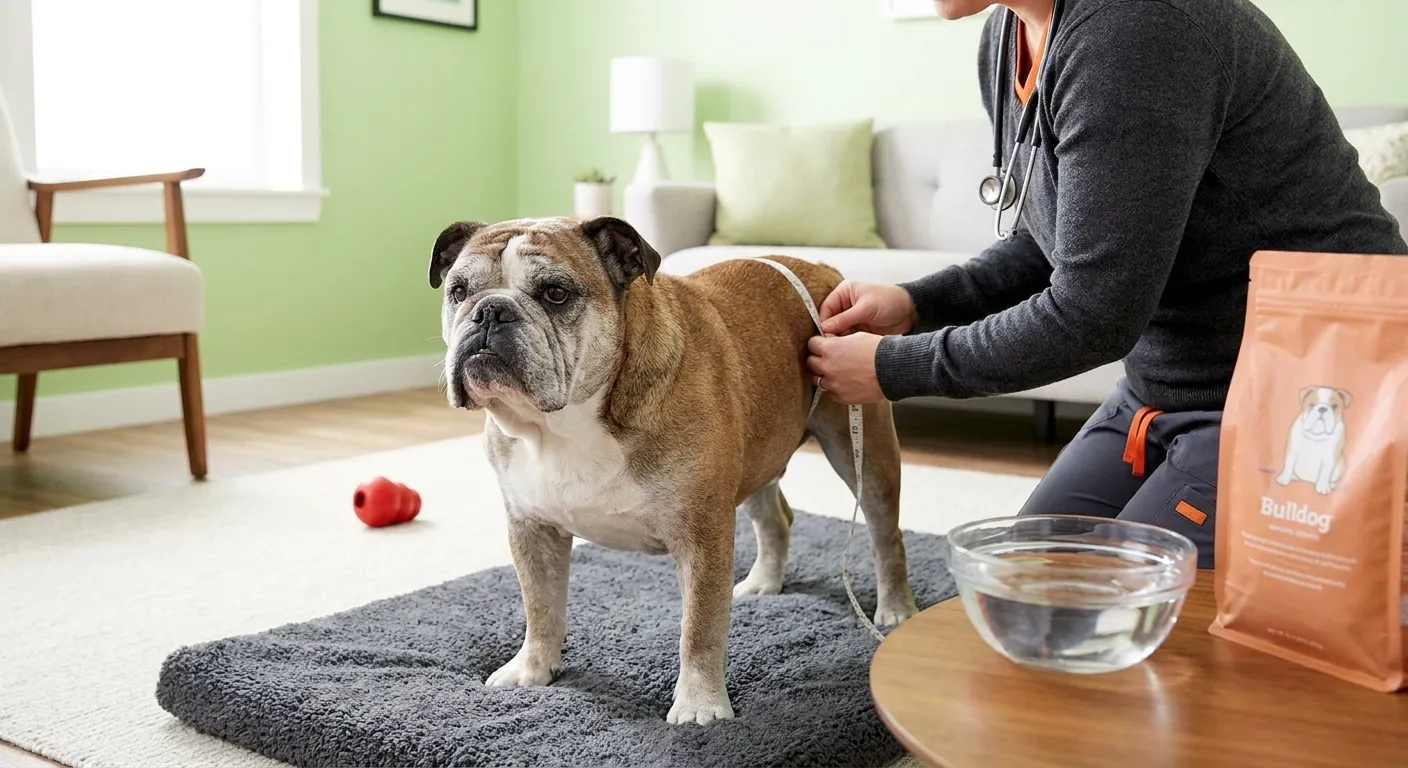
As our beloved bulldogs transition into their golden years, their needs evolve significantly. One of the most critical aspects of maintaining their health and comfort is effective weight management. For senior bulldogs, excess weight can significantly exacerbate age-related challenges, while a healthy weight can extend their longevity and improve their quality of life. At Bulldog Experts, we understand the nuances of caring for an aging bulldog, and we’re here to provide expert strategies for senior bulldog weight management.
Why Weight Management is Critical for Senior Bulldogs
Maintaining an ideal body condition for your senior bulldog isn’t just about aesthetics; it’s a cornerstone of their overall health. Therefore, understanding the risks associated with improper weight is crucial.
Impact on Joints and Mobility
Senior bulldogs are often prone to joint issues like arthritis and hip dysplasia. Extra weight puts immense strain on their aging joints, leading to increased pain, reduced mobility, and a decreased desire to move. This creates a vicious cycle where less movement leads to more weight gain. Proactive owners can learn more about preventing bulldog joint problems and supporting their mobility.
Exacerbating Breathing Issues
For a breed already predisposed to brachycephalic airway syndrome (BOAS), additional fat around the neck and chest can further restrict airflow. This makes breathing even more difficult, consequently increasing the risk of heat stroke and respiratory distress. Understanding managing bulldog BOAS is vital for their well-being.
Other Health Risks
Obesity in older bulldogs is linked to a higher risk of diabetes, heart disease, certain cancers, and decreased immune function. Proper weight control is a powerful preventative measure against these serious conditions. In fact, maintaining a healthy weight can significantly reduce these risks.
Tailored Nutrition for the Aging Bulldog
Dietary needs change as bulldogs age, and a one-size-fits-all approach no longer applies. Consequently, careful consideration of their diet is essential for effective senior bulldog weight management.
Calorie Needs Change: What to Look For
Senior bulldogs typically have a slower metabolism and reduced activity levels, meaning they require fewer calories than their younger counterparts. Feeding the same amount of food can quickly lead to weight gain. Look for senior-specific dog foods that are lower in calories, fat, and often higher in fiber to help them feel full. For example, many brands offer formulas specifically designed for older dogs.
High-Quality Ingredients and Supplements
Prioritize foods with high-quality, easily digestible protein to help maintain muscle mass. Omega-3 fatty acids (EPA and DHA) are beneficial for joint health and can be found in fish oil supplements or specific senior formulas. Glucosamine and chondroitin are also excellent for supporting aging joints. Discuss these options with your veterinarian. You can also explore bulldog joint health supplements for more information.
Feeding Schedules and Portion Control
Instead of free-feeding, establish a consistent feeding schedule with measured portions. Dividing their daily allowance into two smaller meals can aid digestion and prevent overeating. Always use a measuring cup to ensure accuracy. This meticulous approach is key for successful older bulldog weight control.
Appropriate Exercise for Senior Bulldogs
While their energy levels may decrease, exercise remains vital for older bulldogs, albeit with modifications. Regular, gentle activity is crucial for maintaining muscle tone and promoting healthy senior bulldog weight management.
Low-Impact Activities
Opt for low-impact exercises that are gentle on their joints. Short, frequent walks are ideal, as opposed to long, strenuous ones. Swimming, if accessible and enjoyed by your bulldog, is an excellent non-weight-bearing exercise. Similarly, gentle play sessions in a soft, safe environment can keep them engaged.
Monitoring and Adjusting
Always monitor your senior bulldog for signs of fatigue or discomfort during exercise. Adjust the duration and intensity based on their individual needs and the weather conditions. For example, avoid exercising during the hottest parts of the day. Furthermore, consistent monitoring helps prevent injury and ensures enjoyment.
The Importance of Consistency
Consistency is more important than intensity when it comes to exercise for senior bulldogs. Daily walks, even short ones, contribute significantly to their overall health and help with maintaining a healthy weight. This routine also provides mental stimulation, which is equally important.
Regular Veterinary Check-ups and Monitoring
Veterinary oversight is paramount for effective senior bulldog weight management. Your vet is your best partner in ensuring your bulldog’s golden years are healthy and comfortable.
Establishing a Baseline
Regular check-ups allow your veterinarian to establish a baseline for your bulldog’s health, including their ideal weight. They can identify any underlying health issues that might affect their metabolism or activity levels. Consequently, early detection can prevent minor issues from becoming major problems.
Personalized Weight Loss Plans
If your senior bulldog is overweight, your vet can help create a personalized weight loss plan. This plan might include specific dietary recommendations, exercise guidelines, and even prescription diets if necessary. For example, they might suggest a specific caloric intake. This tailored approach is crucial for safe and effective weight reduction.
Monitoring Progress and Adjusting
Regular weigh-ins at the vet’s office can help monitor progress. Your veterinarian can make adjustments to the plan as needed, ensuring your bulldog is losing weight safely and effectively. This ongoing support is invaluable for long-term success in senior bulldog weight management.
Environmental Adjustments for Comfort and Activity
Creating a supportive home environment can significantly aid your senior bulldog’s mobility and encourage activity, thereby assisting in their weight control efforts.
Comfortable Resting Areas
Provide orthopedic beds that support their aging joints. Elevated food and water bowls can make eating and drinking more comfortable, reducing strain on their neck and back. These small changes can make a big difference in their daily comfort.
Ramps and Non-Slip Surfaces
Consider using ramps for accessing furniture or getting into a car, rather than having them jump. Place non-slip mats on slippery floors to prevent falls and encourage movement without fear. These measures promote confidence and mobility.
Common Challenges in Senior Bulldog Weight Management
While the goal is clear, the path to successful senior bulldog weight management can present unique challenges. Addressing these proactively is essential.
Decreased Metabolism
As bulldogs age, their metabolic rate naturally slows down. This means they burn fewer calories at rest, making it easier to gain weight even if their food intake remains the same. Therefore, adjusting their diet is often the first step.
Reduced Activity Levels
Joint pain, decreased energy, and other age-related issues can lead to a significant reduction in physical activity. This sedentary lifestyle contributes to weight gain. Encouraging gentle, consistent movement is key.
Appetite Changes
Some senior bulldogs may experience a decreased appetite, while others might seem hungrier due to underlying health conditions or medications. Monitoring their eating habits closely and discussing any changes with your vet is important. For instance, a sudden change could indicate a health issue.
Medication Side Effects
Certain medications prescribed for age-related conditions can sometimes lead to weight gain as a side effect. If your bulldog is on medication, discuss potential weight implications with your veterinarian. They can offer strategies to mitigate these effects.
The Role of Hydration in Senior Bulldog Health
While often overlooked, proper hydration plays a vital role in the overall health of senior bulldogs and indirectly supports weight management.
Supporting Organ Function
Adequate water intake is essential for healthy kidney function, digestion, and circulation. These systems are crucial for a senior bulldog’s well-being and metabolism. Consequently, good hydration helps all bodily processes run smoothly.
Feeling Full
Sometimes, what seems like hunger can actually be thirst. Ensuring your bulldog has constant access to fresh water can help them feel more satiated, potentially reducing overeating. Moreover, this is a simple yet effective strategy.
Preventing Constipation
Senior bulldogs can be prone to constipation, especially if their activity levels are lower. Proper hydration, combined with a fiber-rich diet, can help maintain regular bowel movements. This contributes to overall digestive health.
Long-Term Commitment to Health
Effective senior bulldog weight management is not a quick fix; it’s a long-term commitment to their well-being. It requires patience, consistency, and a proactive approach from owners.
Patience and Persistence
Weight loss in senior dogs should be gradual to be healthy and sustainable. Celebrate small victories and remain persistent, even if progress seems slow. Remember, every little bit helps.
Regular Reassessment
As your bulldog continues to age, their needs will continue to evolve. Regularly reassess their diet, exercise routine, and overall health with your veterinarian. This ongoing evaluation ensures their care remains optimal. For example, a change in mobility might require a new exercise plan.
Enjoying Their Golden Years
Ultimately, the goal of senior bulldog weight management is to ensure your beloved companion enjoys their golden years to the fullest. A healthy weight translates to more comfort, more energy, and more precious moments with your family. Therefore, investing time in their health pays dividends in happiness.
Conclusion
Caring for a senior bulldog is a rewarding experience, and proactive senior bulldog weight management is one of the most impactful ways to show your love. By understanding their changing needs, providing tailored nutrition, ensuring appropriate exercise, and maintaining regular veterinary care, you can help your bulldog live a comfortable, healthy, and happy life well into their senior years. At Bulldog Experts, we are dedicated to providing you with the knowledge and support needed to navigate this important stage of your bulldog’s life. Remember, a healthy weight is a gift that keeps on giving, allowing your senior bulldog to thrive.
FAQ: How do I know if my senior bulldog is overweight?
You should be able to feel their ribs with light pressure, and they should have a visible waist when viewed from above. Consult your veterinarian for an accurate assessment and guidance on ideal body condition for your aging bulldog.
FAQ: What kind of exercise is best for an older bulldog?
Low-impact activities like short, frequent walks, gentle swimming, and slow, supervised play sessions are ideal. Always prioritize comfort and avoid overexertion, especially in warm weather. For more information, you can consult resources like the American Kennel Club on bulldog care.
FAQ: Can senior bulldogs still lose weight?
Absolutely! With a proper diet, adjusted exercise, and consistent veterinary supervision, senior bulldogs can safely and effectively lose excess weight. It requires patience and dedication, but the health benefits are immense.
FAQ: Are there specific foods for managing an older bulldog’s weight?
Yes, look for senior-specific dog foods that are lower in calories and fat, often with increased fiber content to promote satiety. Your veterinarian can recommend specific brands or prescription diets tailored to your bulldog’s needs. The ASPCA also offers general advice on senior dog care.
FAQ: How often should my senior bulldog visit the vet for weight checks?
Initially, if your bulldog is overweight, your vet might recommend more frequent visits (e.g., monthly or bi-monthly) to monitor progress. Once they reach a healthy weight, annual or semi-annual check-ups are generally sufficient, though your vet will advise based on individual needs.