
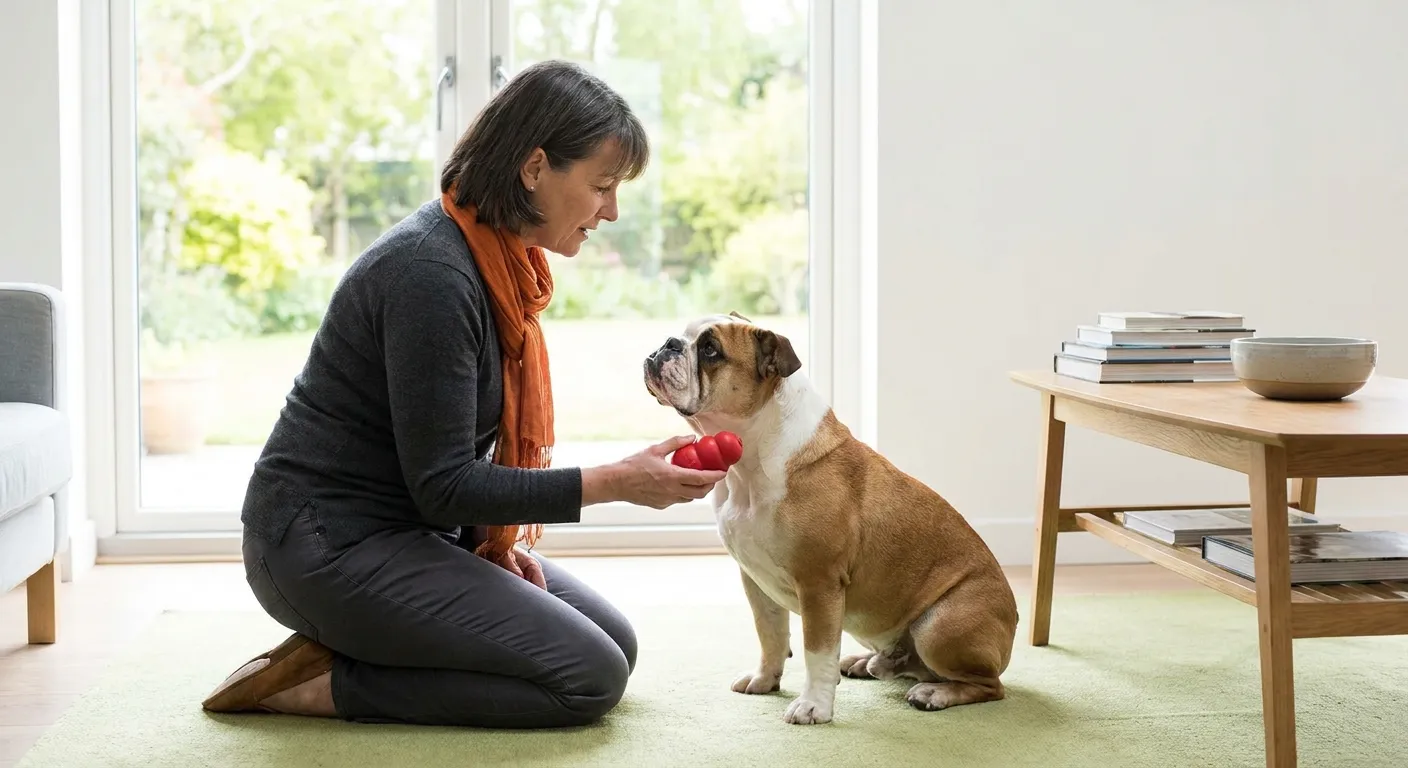
Bulldogs possess a distinct personality that is as endearing as their wrinkled faces. Known for their calm demeanor, loyalty, and occasional stubborn streak, Bulldog behavior understanding is key to a harmonious relationship. They are intelligent dogs, but their strong will can sometimes make training a unique challenge. This expert opinion piece will delve into the typical behavioral traits of bulldogs and provide insights into how to best approach their training and socialization, ensuring they become well-adjusted family members.
The Bulldog Temperament: More Than Just Couch Potatoes
While bulldogs often enjoy lounging, their temperament is far from lazy. They are incredibly affectionate and thrive on human companionship, often displaying a gentle and patient nature, especially with children. This makes them excellent family pets. However, their loyalty can sometimes manifest as protectiveness, and early socialization is crucial to ensure they are comfortable with strangers and other animals. Bulldogs are also known for their stubbornness. This isn’t defiance; it’s often a characteristic of their independent nature. They respond best to positive reinforcement, consistency, and patience rather than harsh corrections. They may not be the fastest learners, but once they grasp a command, they tend to remember it. Understanding their inherent desire to please, coupled with their occasional selective hearing, will guide your interactions.
Tailoring Training to the Bulldog Mindset
Effective training for bulldogs requires an approach that respects their unique behavioral patterns. Because of their potential stubbornness, short, engaging training sessions are more effective than long, repetitive ones. Keep it fun and rewarding! Use high-value treats and praise to reinforce desired behaviors. Focus on foundational commands like ‘sit,’ ‘stay,’ ‘come,’ and ‘leave it’ from a young age. Early and consistent socialization, exposing them to various sights, sounds, people, and other friendly dogs, is critical for developing a confident and well-behaved adult bulldog. It’s also important to be mindful of their physical limitations during training; avoid demanding activities that could lead to overheating or joint strain. By understanding the nuances of Bulldog behavior, owners can foster a deep bond and cultivate a well-mannered companion, transforming potential challenges into rewarding training opportunities built on trust and mutual respect.
The Nuances of Bulldog Communication: What Are They Telling You?
Bulldogs communicate in various ways, and learning to interpret their signals is a significant part of successful Bulldog behavior understanding. Their body language, vocalizations, and even their breathing patterns offer clues to their mood and needs. For instance, a relaxed bulldog might have soft eyes, a loosely wagging tail, and a slightly open mouth. Conversely, a stiff body, direct stare, or tucked tail can indicate discomfort or anxiety. Furthermore, their unique physical structure means they often snort, snore, and grunt; these sounds are usually normal, but a sudden change or excessive wheezing could signal respiratory issues, such as managing Bulldog BOAS. Paying close attention to these cues helps you respond appropriately, strengthening your bond and preventing misunderstandings.
Moreover, Bulldogs often express affection through leaning, nudging, and gentle licks. Recognizing these loving gestures reinforces positive interactions. On the other hand, if a bulldog retreats or avoids eye contact, it might be feeling overwhelmed or unsure. Respecting their need for space in these moments is crucial. A deeper comprehension of these communication methods truly enhances Bulldog behavior understanding, allowing owners to anticipate needs and prevent potential issues before they escalate. This proactive approach ensures a more harmonious home environment for everyone involved.
Socialization: A Cornerstone of Good Bulldog Behavior
Early and consistent socialization is paramount for a well-adjusted bulldog. Exposing your puppy to a wide variety of people, places, sounds, and other friendly dogs from a young age helps them develop confidence and reduces the likelihood of fear-based aggression or anxiety later in life. Think beyond just meeting other dogs; introduce them to different surfaces, car rides, and even the vacuum cleaner. Positive experiences during this critical developmental period shape their perception of the world. For instance, puppy classes offer a controlled environment for social learning and are highly recommended. A well-socialized bulldog is generally more adaptable and less prone to behavioral problems, making them a joy to live with.
Furthermore, proper socialization isn’t a one-time event; it’s an ongoing process throughout a bulldog’s life. Regular outings to dog-friendly parks, supervised playdates, and continued exposure to new situations help maintain their social skills. Remember, every new encounter should be positive and safe. If your bulldog shows signs of stress or fear, remove them from the situation and try again with smaller, more controlled introductions. This continuous effort in socialization contributes significantly to a balanced and happy bulldog, ensuring their comfort in various social settings. It’s a key component of effective Bulldog behavior understanding.
Common Behavioral Challenges and Solutions
Even with the best intentions, bulldogs can exhibit certain behavioral challenges. One common issue is stubbornness during training. As mentioned, bulldogs respond best to positive reinforcement and short, engaging sessions. If your bulldog seems to ‘tune you out,’ try changing the environment, making the reward more appealing, or shortening the session. Another challenge can be excessive barking or attention-seeking behaviors. Often, this stems from boredom or a lack of mental stimulation. Providing plenty of chew toys, puzzle feeders, and regular walks can help mitigate these behaviors. Consistent routines also provide a sense of security, which can reduce anxiety-driven behaviors.
Furthermore, some bulldogs might develop resource guarding, where they protect their food, toys, or even their owner. This behavior requires careful management and professional guidance if severe. Early intervention through ‘trade’ games (offering a higher-value item for the guarded one) can be effective. Digging, while less common in bulldogs than some other breeds, can also occur. This is often a sign of boredom or an instinctual drive. Designating a specific digging area in the yard can provide an appropriate outlet. Addressing these challenges effectively requires patience, consistency, and a solid foundation in Bulldog behavior understanding. For specific training needs, consider consulting a certified professional dog trainer.
The Importance of Routine and Environment
Bulldogs thrive on routine. A predictable schedule for feeding, walks, potty breaks, and playtime provides a sense of security and helps them understand what to expect. This consistency can significantly reduce anxiety and unwanted behaviors. For instance, if your bulldog knows when their next walk is, they might be less likely to exhibit destructive behaviors out of boredom. Their environment also plays a crucial role. A comfortable, safe space where they can retreat, such as a crate or a designated bed, is essential. Ensure their living area is free from hazards and provides adequate ventilation, especially given their susceptibility to overheating.
Moreover, enriching their environment with appropriate toys and mental stimulation prevents boredom, which is a common cause of behavioral problems. Puzzle toys that dispense treats, durable chew toys, and even interactive games can keep their minds engaged. Regularly rotating toys also maintains their interest. A calm and consistent household environment contributes greatly to a bulldog’s overall well-being and positive behavior. Owners who prioritize routine and a stimulating environment often find their bulldogs to be more relaxed and compliant. This holistic approach is fundamental to Bulldog behavior understanding.
Health and Behavior: A Crucial Link
It’s important to recognize that a bulldog’s behavior can often be a reflection of their physical health. Any sudden change in behavior, such as increased irritability, lethargy, or loss of appetite, could indicate an underlying medical issue. For example, pain from joint problems, which are common in the breed, might make a bulldog less willing to play or more prone to snapping if touched in a sensitive area. Owners should be aware of conditions like preventing Bulldog joint problems and managing Bulldog BOAS, as these can significantly impact their comfort and demeanor. Therefore, regular veterinary check-ups are essential to rule out health concerns before attributing behavioral changes solely to temperament.
Furthermore, discomfort from skin fold infections or dental issues can also alter a bulldog’s mood and compliance during training. Early detection and treatment of these conditions are vital not only for their physical health but also for maintaining good behavior. If you notice any unusual behavioral patterns, a visit to your veterinarian should be your first step. Addressing any physical ailments promptly can often resolve associated behavioral problems, reinforcing the idea that a healthy bulldog is a happy and well-behaved bulldog. This connection is a critical aspect of effective Bulldog behavior understanding.
Training for a Lifetime: Consistency and Patience
Training a bulldog is a lifelong journey, not a destination. Consistency and patience are the two most important virtues for any bulldog owner. Short, frequent training sessions are more effective than long, drawn-out ones. Always end on a positive note, even if it means asking for an easy command your bulldog knows well. This keeps training enjoyable and builds their confidence. Remember that bulldogs learn at their own pace, and setbacks are a normal part of the process. Don’t get discouraged if progress seems slow; celebrate small victories.
Moreover, involving all family members in the training process ensures consistency in commands and expectations. Everyone should use the same cues and rewards. Continued socialization and exposure to new experiences throughout their lives will also help maintain their good manners. For instance, revisiting early Bulldog puppy training principles can be beneficial even for older dogs. A well-trained bulldog is a joy to live with, and the effort you put into their training will be repaid tenfold in companionship and mutual respect. This enduring commitment to their development is a testament to true Bulldog behavior understanding.
Ultimately, a deep Bulldog behavior understanding is the foundation for a fulfilling relationship with these wonderful dogs. By appreciating their unique temperament, tailoring training methods to their intelligence and occasional stubbornness, and prioritizing their health and socialization, owners can cultivate a well-adjusted, happy, and loyal companion. Remember, patience, consistency, and positive reinforcement are your most valuable tools. Embrace their quirks, learn their language, and you will discover the profound joy of sharing your life with a bulldog.
FAQ
What are common Bulldog behavioral traits?
Bulldogs are typically known for their calm, affectionate, and loyal nature. They can be quite patient, especially with children, making them excellent family pets. However, they also possess a notable stubborn streak and an independent mindset, which can sometimes make training challenging. They thrive on human companionship and can be quite protective of their families.
How do you effectively train a stubborn Bulldog?
Effective training for a stubborn bulldog involves short, engaging sessions with lots of positive reinforcement. Use high-value treats and praise to motivate them. Consistency is key, and all family members should use the same commands. Avoid harsh corrections, as bulldogs respond better to patience and a fun learning environment. Early socialization is also crucial.
Why is early socialization important for Bulldogs?
Early and consistent socialization is vital for bulldogs to develop into confident, well-behaved adults. It involves exposing them to various sights, sounds, people, and other friendly animals from a young age. This helps prevent fear-based aggression or anxiety and ensures they are comfortable and adaptable in different social situations throughout their lives.
Can a Bulldog’s health affect its disposition?
Absolutely. A bulldog’s physical health can significantly impact its behavior. Pain from conditions like joint problems or discomfort from respiratory issues (like BOAS) can make a bulldog irritable, lethargic, or reluctant to engage in activities. Any sudden change in behavior warrants a veterinary check-up to rule out underlying medical issues.
What are the best ways to communicate with your Bulldog?
Understanding your bulldog’s body language and vocalizations is crucial for effective communication. Pay attention to their posture, tail wags, eye contact, and sounds like snorts or grunts. A relaxed bulldog shows soft eyes and a loose body, while stiffness or avoidance can signal discomfort. Responding appropriately to these cues strengthens your bond and helps prevent misunderstandings.