
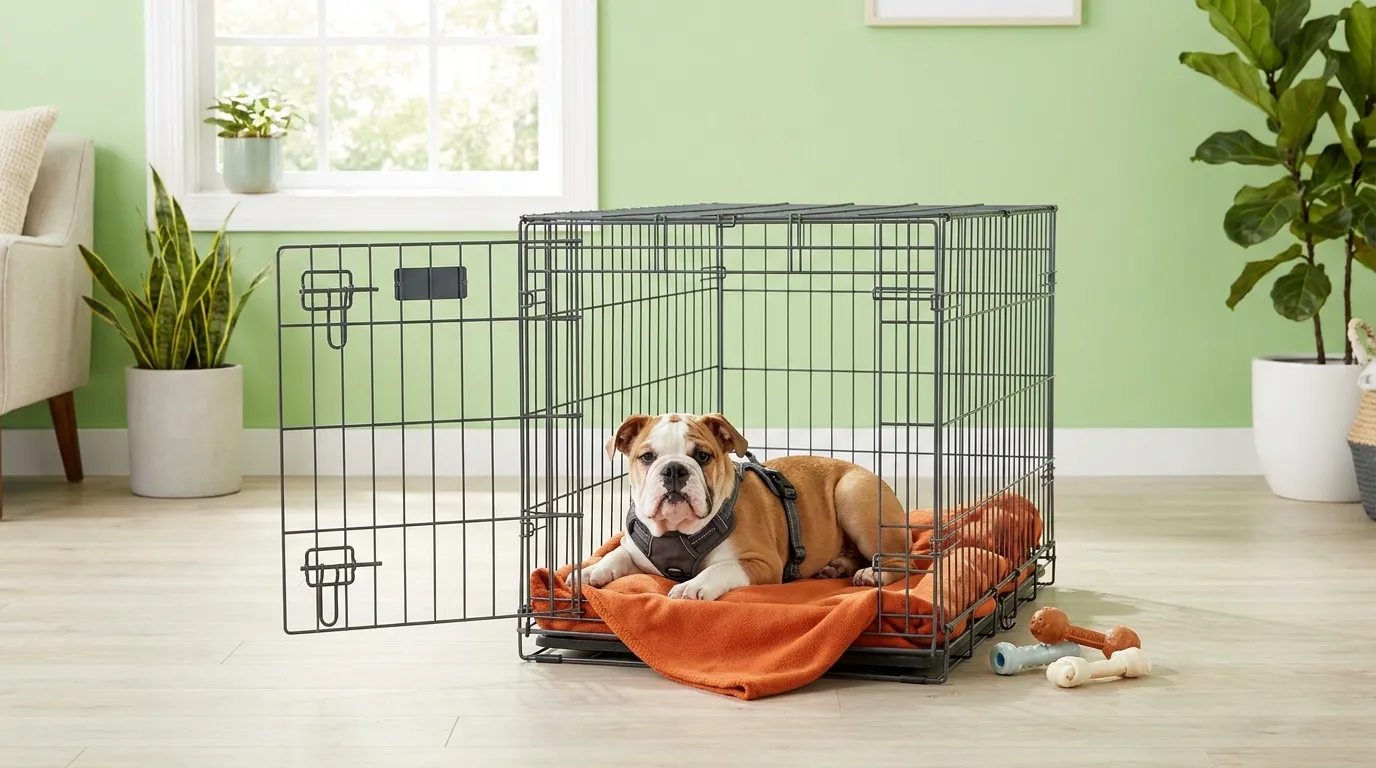
Crate training is an invaluable tool for any dog owner, and for bulldogs, it can be particularly beneficial. A well-introduced crate becomes more than just a cage; it transforms into a safe, secure den that offers comfort and aids in house-training. Effective Bulldog crate training not only provides a personal retreat for your dog but also helps manage their behavior, preventing destructive chewing and ensuring safety when unsupervised. This guide provides a step-by-step approach to successfully crate training your bulldog, fostering a positive association with their new space.
The Basics of Positive Crate Introduction
Introducing the crate positively is the foundation of successful Bulldog crate training. Start by selecting a crate that is appropriately sized – large enough for your bulldog to stand up, turn around, and lie down comfortably, but not so large that they can soil one end and sleep in the other. Place the crate in a common area of your home where your bulldog can still feel part of the family. Make it inviting by adding a soft bed, a favorite toy, and a few treats. Leave the door open and encourage your bulldog to explore it voluntarily. Never force your bulldog into the crate. Instead, use positive reinforcement: toss treats inside, praise them when they go in, and let them come out on their own. Gradually, they will associate the crate with good things.
Choosing the Right Crate and Location
Selecting the correct crate size is crucial for your bulldog’s comfort and the success of the training process. A crate that is too large can defeat the purpose of house-training, as your bulldog might use one end as a bathroom. Conversely, a crate that is too small will be uncomfortable and could lead to anxiety. Therefore, measure your bulldog carefully and choose a crate where they can easily stand, turn around, and lie down without feeling cramped. For puppies, consider a crate with a divider that can be adjusted as they grow. Furthermore, the placement of the crate is also quite important. Initially, position the crate in a high-traffic area of your home, such as the living room or kitchen. This allows your bulldog to feel like part of the family, reducing feelings of isolation. Eventually, as they become more comfortable, you can move the crate to a quieter spot if desired.
Making the Crate Inviting and Comfortable
Once you have the right crate and a suitable location, the next step is to make it an appealing space. After all, your goal is for your bulldog to view their crate as a safe haven, not a punishment. Line the bottom with a soft, comfortable bed or blanket. Consider a durable, washable option that can withstand occasional accidents. Additionally, place a few favorite toys inside. Chew toys, in particular, can provide entertainment and help alleviate boredom. You might also include an old t-shirt or blanket with your scent on it; this can provide a sense of security and familiarity. Moreover, regularly toss high-value treats into the crate when your bulldog isn’t looking. This creates a positive association, making them eager to investigate the crate on their own. Remember, the key is to make the crate a place of comfort and positive experiences.
Introducing Your Bulldog to Their New Den
The initial introduction phase requires patience and a gentle approach. Never force your bulldog into the crate. Instead, allow them to approach and explore it at their own pace. Leave the door open and scatter treats just inside the entrance, then gradually deeper into the crate. Praise your bulldog enthusiastically when they voluntarily enter, even if it’s just for a moment. You can also try feeding them their meals inside the crate with the door open. This further strengthens the positive association. If your bulldog is hesitant, sit near the crate and offer encouragement. Some bulldogs may take longer than others to warm up to the idea, but consistency and positive reinforcement are vital for effective dog crate training. For puppies, early positive experiences with their crate can significantly impact their future comfort and ease with the space. For more on foundational training, consider resources on early bulldog puppy training.
Advanced Steps for Crate Training Success
Once your bulldog is comfortable entering and exiting the crate, you can begin to introduce short periods of confinement. Start with very brief durations (5-10 minutes) while you are still in the room, then gradually increase the time. Offer a high-value chew toy or treat to keep them occupied. Once they are comfortable with you in the room, practice leaving the room for a few minutes, then returning. Slowly extend the time you are out of sight. Crucially, always let your bulldog out of the crate when they are calm, never when they are whining or barking, as this can inadvertently reinforce undesirable behavior. Ensure they have had a potty break immediately before crating. Consistency is key; stick to a regular schedule for crating, especially during house-training. With patience and positive reinforcement, Bulldog crate training can lead to a calm, well-adjusted pet who views their crate as a cherished personal sanctuary.
Establishing a Crate Schedule
A consistent schedule is paramount for successful dog crate training, especially for puppies or newly adopted adult bulldogs. Begin by incorporating crate time into their daily routine. For instance, crate your bulldog for short periods after meals and before naps. This helps them understand when to expect crate time. Similarly, always ensure your bulldog has had ample opportunity to relieve themselves before entering the crate. This prevents accidents and reinforces proper house-training. As your bulldog becomes more comfortable, you can gradually extend the duration of crate periods. However, avoid leaving them in the crate for excessively long stretches, especially during the initial stages. A general rule of thumb is that a puppy can hold their bladder for one hour per month of age. Therefore, plan your schedule accordingly. Establishing a routine helps your bulldog anticipate and accept their crate time with less anxiety.
Addressing Common Crate Training Challenges
Despite your best efforts, you might encounter some challenges during the crate training process. For example, some bulldogs may whine or bark when first confined. It’s important not to immediately let them out, as this can teach them that vocalization leads to release. Instead, wait for a brief moment of quiet before opening the crate. This teaches them that calm behavior is rewarded. Additionally, some bulldogs may experience separation anxiety. If your bulldog exhibits excessive drooling, destructive behavior in the crate, or frantic attempts to escape, consult with a professional dog trainer or veterinary behaviorist. They can provide tailored strategies and support. Furthermore, never use the crate as a punishment. This will create a negative association and undermine all your positive training efforts. Always ensure the crate remains a positive and safe space. For overall well-being, remember that managing their environment and routines is key, just as it is for managing bulldog BOAS.
Overnight Crating and Longer Periods
Once your bulldog is comfortable with shorter periods of confinement, you can gradually introduce overnight crating. Place the crate in your bedroom initially, so your bulldog can hear and smell you. This can provide reassurance and reduce anxiety. Ensure they have had a final potty break before bedtime. If your bulldog whines during the night, try to determine if they need to relieve themselves. For puppies, a quick, quiet potty break with minimal interaction is usually sufficient before returning them to the crate. As they mature, most bulldogs can sleep through the night in their crate. For longer periods during the day, such as when you are at work, ensure your bulldog has had plenty of exercise and a potty break beforehand. Consider hiring a dog walker or arranging for a friend to let them out for a break if you will be gone for an extended time. Remember, a crate should never be used to neglect your bulldog’s needs.
The Benefits of a Well-Crate Trained Bulldog
The effort invested in Bulldog crate training yields numerous rewards. Primarily, it provides your bulldog with a secure den, a personal sanctuary where they can retreat for peace and quiet. This can be especially beneficial in busy households or when guests are present. Secondly, a crate is an invaluable house-training aid. Dogs are naturally clean animals and are reluctant to soil their sleeping area, thus encouraging them to hold their bladder until they are let out. Moreover, crating prevents destructive behaviors, such as chewing furniture or inappropriate urination, when you cannot supervise your bulldog directly. This helps protect your home and keeps your bulldog safe from ingesting harmful items. Furthermore, a crate facilitates safe travel; it provides a familiar, secure space for car rides or stays in unfamiliar environments. It’s an essential tool for responsible pet ownership, helping to foster a calm and well-adjusted companion. Just as important as training, proper nutrition also plays a role in overall health, as discussed in our guide on bulldog sensitive stomach diet.
Maintaining Crate Comfort and Routine
Even after your bulldog is fully crate trained, it’s important to maintain their positive association with the crate. Continue to make it a comfortable and inviting space. Regularly clean the bedding and ensure there are always fresh toys inside. Occasionally, toss a treat into the crate just because, reinforcing the idea that good things happen there. While your bulldog might not need to be crated as frequently as a puppy, occasional brief periods of crating can help maintain their comfort with the space. This is particularly useful if you anticipate future situations where crating will be necessary, such as during vet visits or travel. A consistent routine, even if less frequent, helps to solidify the crate as a positive element in their life. By upholding these practices, you ensure the crate remains a cherished part of your bulldog’s routine, a true safe space for them.
Conclusion
Successful Bulldog crate training is a journey that requires patience, consistency, and a positive approach. By understanding your bulldog’s needs, choosing the right equipment, and implementing a thoughtful training plan, you can transform a simple crate into a beloved sanctuary for your pet. This process not only provides a safe and secure space for your bulldog but also significantly aids in house-training, prevents destructive behaviors, and ensures their safety when unsupervised. Remember to always use positive reinforcement, avoid using the crate as punishment, and gradually increase confinement times. The benefits of a well-trained bulldog who views their crate as a comfortable den are immense, contributing to a harmonious home environment and a happier, more secure companion. For further reading on positive dog training methods, you can refer to resources from the ASPCA. Moreover, the Humane Society also offers valuable insights into effective crate training practices.
FAQ
What is the ideal size for a bulldog’s crate?
A bulldog’s crate should be large enough for them to comfortably stand up, turn around, and lie down. It should not be so large that they can eliminate in one corner and sleep in another, especially during house-training.
How long should I leave my bulldog in the crate?
The duration depends on their age and training level. Puppies can typically hold their bladder for one hour per month of age. Adult bulldogs can often be crated for 4-6 hours during the day and overnight, provided they have regular potty breaks and exercise.
What if my bulldog whines or barks in the crate?
It’s important not to immediately let them out, as this reinforces the whining. Wait for a brief moment of silence before opening the crate. Ensure they have had a potty break and exercise beforehand. If whining persists, consult a professional trainer.
Can I use the crate for punishment?
No, never use the crate as a form of punishment. This will create a negative association and make your bulldog fear or dislike their crate, undermining all your positive training efforts. The crate should always be a safe and positive space.
How can I make the crate more inviting for my bulldog?
Make the crate comfortable by adding a soft bed, favorite toys, and an old blanket with your scent. Regularly toss treats inside and feed them meals in the crate with the door open. This helps create positive associations with the space.
Are there any health considerations for bulldogs and crating?
Bulldogs, due to their brachycephalic nature, can be prone to overheating. Ensure the crate is in a well-ventilated area and never leave your bulldog in a hot car, even with the windows down. Always monitor them for signs of discomfort. For general health insights, explore resources on proactive bulldog health screenings.