Bulldogs, renowned for their distinctive physique, are unfortunately prone to various joint and orthopedic challenges. Conditions such as hip and elbow dysplasia, patellar luxation, and arthritis are quite common in the breed. These issues often lead to significant pain and reduced mobility. Consequently, proactive Bulldog joint health management is absolutely essential. This approach minimizes the risk of these debilitating problems, thereby ensuring your beloved companion enjoys a comfortable, active life. This evidence-based article from Bulldog Experts will delve into comprehensive preventative strategies and effective supplements designed to support your bulldog’s joints.
Understanding Bulldog Joint Vulnerabilities
Bulldogs’ unique anatomical structure, including their compact bodies and short legs, contributes to a predisposition for certain musculoskeletal conditions. For instance, their broad chests and heavy heads can place extra strain on their limb joints. Furthermore, genetic factors play a significant role in conditions like hip and elbow dysplasia. These conditions involve abnormal development of the joint sockets, causing instability and pain. Patellar luxation, another common issue, occurs when the kneecap slips out of its normal groove. Therefore, understanding these inherent vulnerabilities is the first step toward effective preventative care. Early awareness allows owners to implement strategies that can mitigate potential problems. Moreover, regular veterinary check-ups are crucial for early detection and intervention, ensuring the best possible outcomes for your bulldog’s mobility and comfort.
Nutritional Foundations for Robust Joint Support
One of the most impactful ways to support Bulldog joint health begins directly with their diet and weight. Maintaining an ideal body weight is paramount. Indeed, excess pounds place immense strain on a bulldog’s joints, significantly exacerbating conditions like arthritis. Consult your veterinarian to determine the appropriate caloric intake and a balanced diet tailored to your bulldog’s age, activity level, and specific needs. High-quality dog foods should always be a priority. Look for formulas that include omega-3 fatty acids, specifically EPA and DHA. These compounds possess powerful anti-inflammatory properties, which are incredibly beneficial for joint tissues. Additionally, ensure their diet is rich in essential vitamins and minerals vital for strong bone development. For instance, calcium and phosphorus must be present in the correct ratios. Furthermore, for puppies, controlled growth is absolutely vital. Rapid growth spurts can put undue stress on developing joints, increasing the risk of orthopedic issues. Consequently, a diet specifically formulated for large-breed puppies can help achieve steady, healthy growth and reduce long-term orthopedic risks. For more detailed guidance on puppy nutrition, consider exploring our resource on Best Bulldog Puppy Food: A Guide to Optimal Growth & Health.
Key Supplements for Enhanced Joint Function
Beyond a balanced diet, specific supplements can play a crucial supportive role in maintaining Bulldog joint health. Glucosamine and chondroitin are widely recognized for their ability to support cartilage health and joint lubrication. While scientific evidence regarding their efficacy can vary, many veterinarians recommend them as a cornerstone of a comprehensive joint care plan. These compounds are natural components of healthy cartilage. Therefore, supplementing them may help repair and maintain joint structures. Other beneficial supplements include MSM (methylsulfonylmethane), known for its anti-inflammatory and pain-relieving properties. Green-lipped mussel extract is another excellent option, rich in omega-3 fatty acids, amino acids, and minerals, all contributing to joint wellness. Always discuss any supplement regimen thoroughly with your veterinarian. They can recommend appropriate dosages, formulations, and ensure there are no contraindications with other medications. For a deeper dive into supplement options, refer to our comprehensive guide on Bulldog Joint Health Supplements: A Comprehensive Guide.
Lifestyle Adjustments for Optimal Mobility
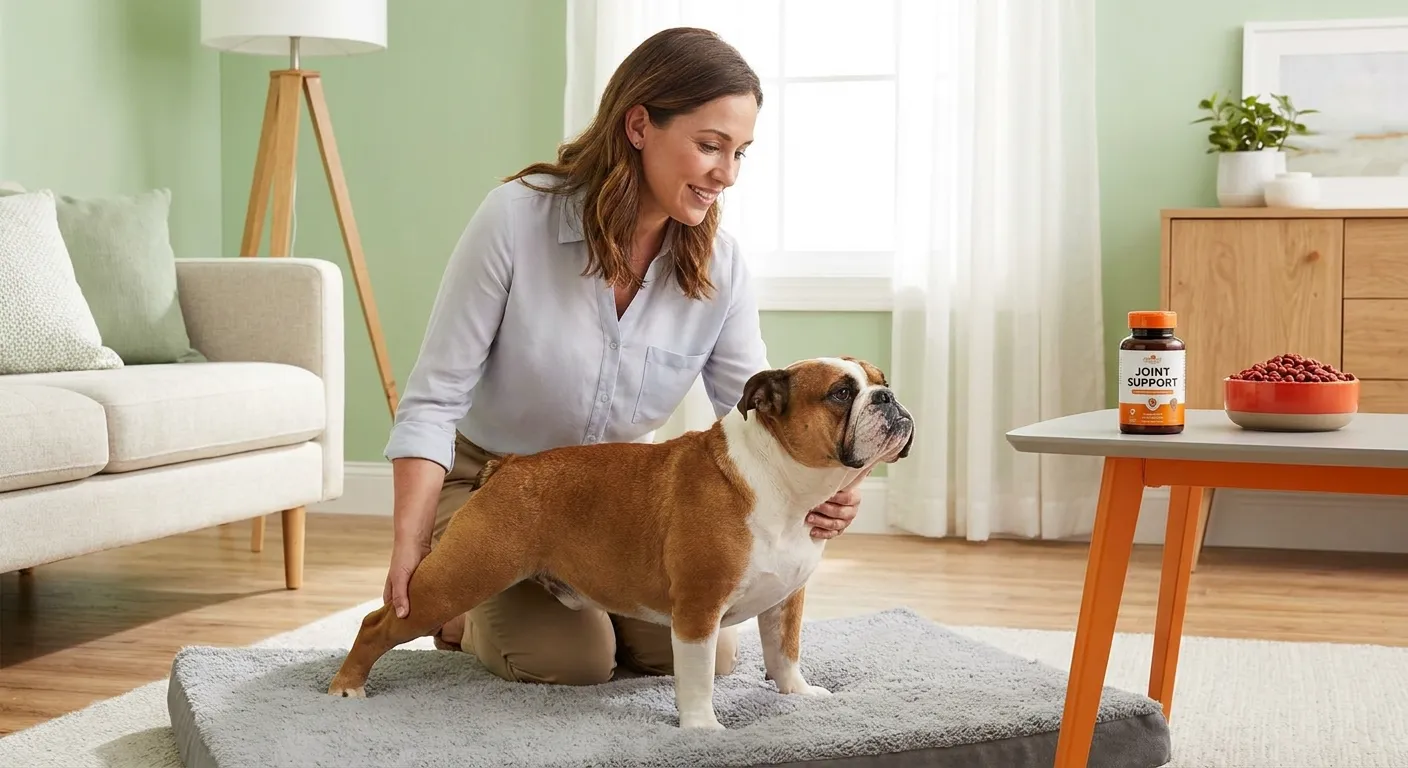
Lifestyle adjustments are equally important for supporting your bulldog’s joints throughout their life. First and foremost, provide soft bedding to relieve pressure points on their joints, especially crucial for older bulldogs or those with existing conditions. Secondly, avoid excessive jumping or strenuous activities that could strain delicate joints. For example, repetitive jumping off furniture or hard landings can cause microtraumas over time. Controlled, low-impact exercise is preferred. Regular, gentle walks on soft surfaces like grass can help maintain muscle strength around the joints without causing undue stress. Conversely, long walks on hard pavement should be limited. Maintaining a consistent exercise routine also helps with weight management, which, as discussed, is critical for joint health. Moreover, consider physical therapy or hydrotherapy for bulldogs with existing joint issues. These specialized exercises can improve range of motion and strengthen supporting muscles without high impact. Furthermore, ensuring a safe home environment, free from slippery floors, can prevent accidents that might exacerbate joint problems. For puppy owners, understanding the right kind of exercise is essential for healthy development. You can find more information on foundational care in our article about Bulldog Puppy Essential Care: Laying a Healthy Foundation.
Preventative Measures from Puppyhood to Seniority
Proactive care for a bulldog’s joints should begin during puppyhood and continue throughout their entire life. Early health screenings are a vital preventative measure. For instance, reputable breeders often screen their breeding dogs for genetic predispositions to hip and elbow dysplasia. When acquiring a puppy, inquire about the health clearances of the parents. This due diligence can significantly reduce the likelihood of inherited joint problems. As a puppy grows, ensure their environment supports healthy development. Avoid over-exercising young bulldogs, as their growth plates are still developing and are vulnerable to injury. Instead, focus on short, supervised play sessions. As your bulldog ages, their joint needs will change. Senior bulldogs may benefit from more frequent, shorter walks and a diet specifically formulated for older dogs, often enriched with joint-supporting nutrients. Regular veterinary check-ups become even more critical in their senior years. These appointments allow for early detection of arthritis or other age-related joint conditions, enabling timely interventions. For comprehensive guidance on proactive care, consider reviewing the insights provided by the American College of Veterinary Surgeons regarding Canine Hip Dysplasia and its prevention. Another excellent resource for understanding joint health is the Orthopedic Foundation for Animals (OFA) at ofa.org, which provides public health databases for various breeds.
Recognizing Signs of Joint Discomfort
Early recognition of joint discomfort or pain in your bulldog is crucial for prompt intervention and improved outcomes. Bulldogs are notoriously stoic, often hiding pain until it becomes severe. Therefore, owners must be vigilant and observe subtle changes in their dog’s behavior and mobility. Common signs of joint pain include limping or lameness, especially after rest or exercise. Your bulldog might show reluctance to jump, climb stairs, or even play. Furthermore, you might notice difficulty getting up from a lying position. Changes in gait, such as a stiff or bunny-hopping movement, can also indicate discomfort. Licking or chewing excessively at a particular joint may also be a sign of pain or irritation. Additionally, behavioral changes, such as increased irritability, lethargy, or a decreased appetite, can sometimes be linked to chronic pain. If you observe any of these symptoms, it is imperative to schedule a veterinary examination without delay. A veterinarian can accurately diagnose the issue and recommend an appropriate course of treatment. Early diagnosis and management can significantly improve your bulldog’s quality of life and slow the progression of joint diseases. This proactive approach to recognizing symptoms is a cornerstone of effective Bulldog joint health management.
Integrated Approaches for Sustained Joint Wellness
Achieving sustained Bulldog joint health requires an integrated, multi-faceted approach. It combines optimal nutrition, appropriate supplementation, mindful lifestyle adjustments, and regular veterinary oversight. Remember, prevention is always better than cure. By implementing these strategies consistently, you can significantly reduce the risk of common joint problems. Furthermore, you can enhance your bulldog’s overall well-being throughout their life. From selecting the right diet in puppyhood to providing supportive care in their senior years, every decision contributes to their comfort and mobility. Collaboration with your veterinarian is key to tailoring a joint health plan that is specific to your bulldog’s individual needs and predispositions. Ultimately, a healthy bulldog is a happy bulldog, enjoying every moment with their loving family. Therefore, investing time and effort into their joint care is one of the most rewarding aspects of bulldog ownership. Prioritizing Bulldog joint health ensures a vibrant and active life for your cherished companion.
Conclusion
In conclusion, managing Bulldog joint health is a lifelong commitment that significantly impacts their quality of life. Given their genetic predispositions, a proactive and comprehensive strategy is not merely beneficial but essential. By focusing on appropriate nutrition, maintaining an ideal weight, incorporating targeted supplements, and making crucial lifestyle adjustments, owners can substantially mitigate the risks of joint-related issues. Regular veterinary check-ups are paramount for early detection and intervention, ensuring any emerging problems are addressed swiftly. Remember, the goal is to provide your bulldog with the best possible foundation for mobility and comfort, allowing them to lead a happy, active life free from unnecessary pain. Your dedication to these preventative measures will undoubtedly contribute to many years of joyful companionship with your beloved bulldog.
FAQ: How can I help my aging bulldog with stiff joints?
For an aging bulldog with stiff joints, several strategies can help. Ensure they maintain a healthy weight to reduce joint strain. Provide a high-quality diet, possibly supplemented with omega-3 fatty acids, glucosamine, and chondroitin. Offer soft, orthopedic bedding. Implement gentle, regular exercise like short walks on soft surfaces. Your veterinarian might also recommend anti-inflammatory medications or other therapies like hydrotherapy for pain management and improved mobility. Discuss these options with your vet to create a tailored plan.
FAQ: What are the best exercises for bulldogs to support their joints?
The best exercises for bulldogs to support their joints are low-impact and controlled. Gentle, consistent walks on soft ground (like grass) are ideal. Swimming can also be excellent as it provides a full-body workout without putting stress on the joints. Avoid high-impact activities, excessive jumping, or long runs on hard surfaces. The key is moderation and consistency, ensuring the exercise strengthens muscles surrounding the joints without causing strain. Always monitor your bulldog for signs of fatigue or discomfort.
FAQ: Can diet alone prevent joint problems in bulldogs?
While diet plays a crucial role in overall joint wellness for bulldogs, it typically cannot prevent all joint problems on its own. A balanced, high-quality diet that supports ideal weight and provides essential nutrients is fundamental. However, genetic predispositions, injury, and age-related wear and tear also contribute to joint issues. Diet works best as part of a comprehensive strategy that includes appropriate exercise, supplements, and regular veterinary care to support joint health.
FAQ: How do I choose a good joint supplement for my bulldog?
Choosing a good joint supplement for your bulldog should always begin with a consultation with your veterinarian. They can recommend specific ingredients and brands based on your dog’s individual needs, age, and any existing conditions. Look for supplements containing well-researched ingredients like glucosamine, chondroitin, MSM, and omega-3 fatty acids. Ensure the product is from a reputable manufacturer with clear dosage instructions and quality control. Your vet can guide you to effective and safe options.
FAQ: What are early warning signs of joint pain in a bulldog?
Early warning signs of joint pain in a bulldog can be subtle. Look for reluctance to jump or climb stairs, stiffness after rest, a slight limp, or difficulty getting up. They might also show changes in their gait, such as a more hesitant or stiff walk. Excessive licking or chewing at a joint, decreased activity levels, or even changes in temperament (like increased irritability) can also indicate discomfort. If you notice any of these signs, consult your veterinarian promptly for an accurate diagnosis and treatment plan to address their joint concerns.