
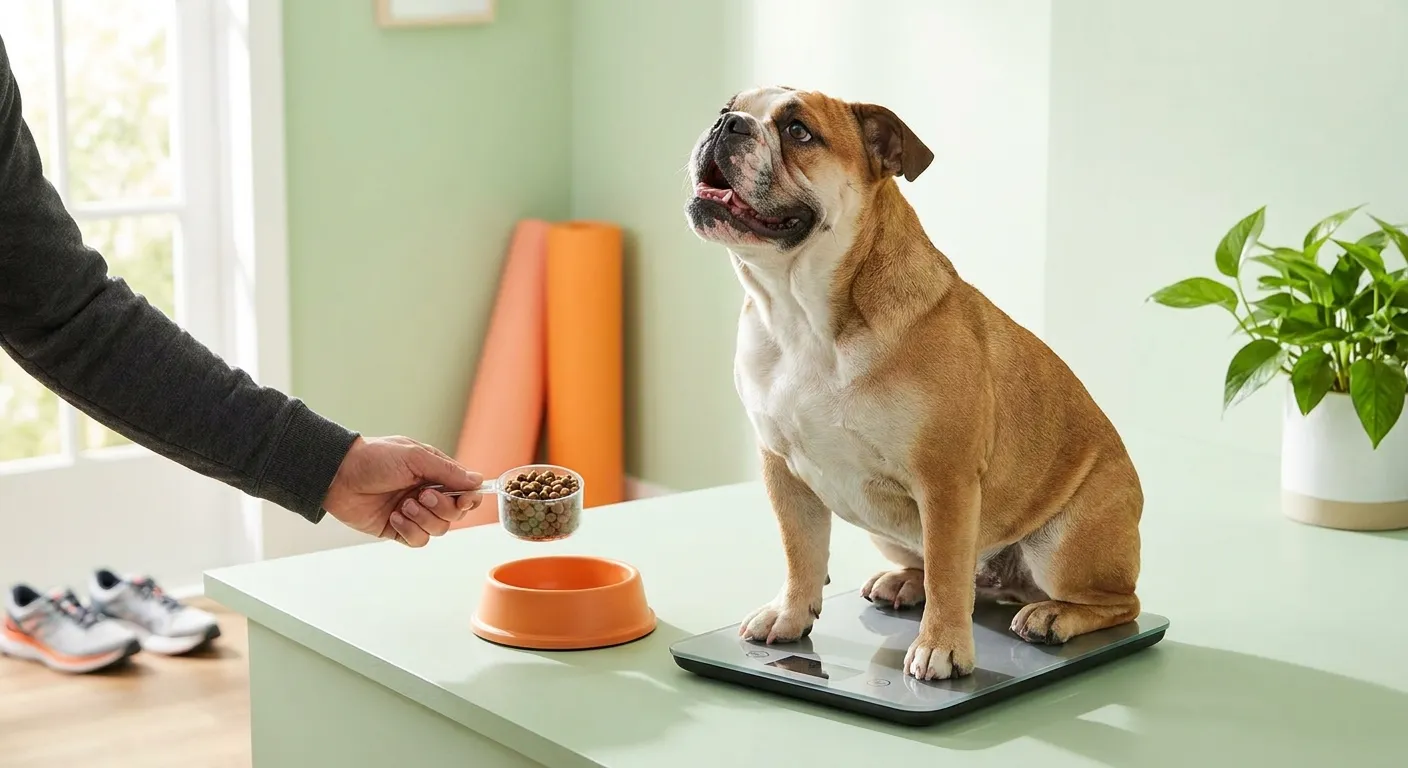
Bulldogs are known for their sturdy build and impressive presence, but this breed is also particularly prone to weight gain. While a few extra pounds might seem endearing, obesity in bulldogs carries significant health risks, silently impacting their quality of life and longevity. As dedicated owners, understanding proper bulldog weight management tips is not just about aesthetics; it’s about providing a foundation for a long, healthy, and comfortable life. Let’s explore how to keep your bulldog at an optimal weight and prevent the silent burden of excess pounds.
The Silent Burden: Why Weight Matters for Bulldogs
Excess weight places immense strain on a bulldog’s already unique physiology. Their brachycephalic (short-nosed) structure makes them prone to breathing difficulties, which can be severely exacerbated by obesity. Every extra pound means more effort to breathe, especially in warm weather or during activity. Beyond breathing, obesity significantly contributes to:
- Joint Problems: Bulldogs are already susceptible to hip and elbow dysplasia. Added weight increases pressure on these joints, leading to accelerated arthritis and chronic pain.
- Cardiovascular Strain: The heart has to work harder to pump blood throughout a larger body mass, increasing the risk of heart disease.
- Diabetes: Obesity is a leading risk factor for canine diabetes.
- Reduced Mobility and Quality of Life: Overweight bulldogs are less active, struggle with daily tasks, and enjoy life less, often experiencing discomfort and a decreased lifespan.
Given these specific challenges, effective weight management is a cornerstone of bulldog health. Furthermore, addressing these issues early can prevent more serious complications later on.
Essential Bulldog Weight Management Tips
Achieving and maintaining a healthy weight for your bulldog involves a balanced approach to diet, exercise, and consistent monitoring. Truly, these three pillars are fundamental to their well-being.
Tailoring Nutrition to Their Needs
Nutrition is arguably the most critical component of weight management. Bulldogs typically have lower energy requirements than more active breeds, making calorie control essential. Consequently, careful attention to their diet is paramount.
- Calorie Calculation: Consult your veterinarian or a certified canine nutritionist to determine the appropriate daily caloric intake for your bulldog based on their age, current weight, target weight, and activity level. This is not a one-size-fits-all number.
- High-Quality Diet: Feed a premium dog food formulated for weight management or senior dogs, which often have fewer calories and higher fiber. Look for foods with high-quality protein sources and moderate fat content. Avoid generic, filler-heavy foods.
- Treats in Moderation: Treats should make up no more than 10% of their daily caloric intake. Opt for low-calorie options like small pieces of plain cooked chicken, green beans, or carrots. Always factor treats into their total daily calories.
- No Table Scraps: Human food, even small amounts, can quickly add unnecessary calories and unhealthy fats, disrupting your bulldog’s carefully balanced diet. Therefore, resist the urge to share.
- Consistent Feeding Schedule: Feed your bulldog at regular times each day, typically two meals. This helps regulate their metabolism and prevents overeating.
- Measuring Portions: Use a precise measuring cup to ensure you are feeding the exact recommended amount. Guessing can lead to significant overfeeding over time.
Implementing these nutritional strategies forms the bedrock of successful bulldog weight management tips.
Incorporating Appropriate Exercise
While bulldogs are not marathon runners, regular, moderate exercise is crucial for burning calories, building muscle, and maintaining joint health. Remember, their brachycephalic nature means exercise must be managed carefully, especially in warm weather.
- Short, Frequent Walks: Aim for two to three short walks daily, around 15-20 minutes each. Avoid the hottest parts of the day. A gentle pace is perfectly adequate.
- Indoor Play: On hot or humid days, indoor play can provide necessary activity. Engaging with appropriate interactive toys can be very beneficial.
- Swimming (with supervision): Some bulldogs enjoy swimming, which is a low-impact exercise excellent for joints. Always use a life vest and supervise closely.
- Avoid Overexertion: Watch for signs of overheating or distress, such as excessive panting, drooling, or lethargy. Immediately stop activity if you notice these signs.
Proper exercise complements dietary adjustments, significantly contributing to effective bulldog weight management tips.
Regular Monitoring and Veterinary Care
Consistent monitoring and professional guidance are indispensable for your bulldog’s healthy weight journey. Indeed, regular check-ups are vital.
- Weekly Weigh-Ins: Weigh your bulldog weekly at home, if possible, or during vet visits. Track their progress and adjust their diet or exercise as needed.
- Body Condition Score (BCS): Learn to assess your bulldog’s BCS. You should be able to feel their ribs without seeing them, and they should have a discernible waist when viewed from above. Your vet can demonstrate how to properly check this.
- Veterinary Check-ups: Schedule regular vet appointments. Your veterinarian can identify underlying health issues contributing to weight gain and help create a personalized weight loss plan. They can also provide essential guidance on ideal weight ranges for bulldogs.
- Discuss Supplements: In some cases, your vet might recommend supplements for joint health or metabolism support. However, never give supplements without veterinary approval.
These monitoring steps are crucial bulldog weight management tips, ensuring your approach remains effective and safe.
Addressing Behavioral Aspects of Eating
Sometimes, a bulldog’s eating habits stem from boredom, anxiety, or learned behaviors. Addressing these can be an important part of their weight management plan.
- Slow Feeder Bowls: If your bulldog eats too quickly, a slow feeder bowl can help them feel fuller on less food by extending mealtime. This can aid digestion and prevent overconsumption.
- Mental Stimulation: Provide plenty of mental enrichment. Puzzle toys can make mealtime a stimulating activity, as can regular training sessions. Boredom often leads to seeking food. Puzzle toys are excellent for this purpose.
- Separating Food from Affection: Many owners use food as a primary way to show affection. Instead, offer praise, petting, or a favorite toy as alternatives to food rewards.
- Consistency Across the Household: Ensure everyone in the household understands and adheres to the feeding plan. Secret snacks from family members can quickly derail progress.
By understanding and managing these behaviors, you enhance the overall effectiveness of your bulldog weight management tips.
Understanding Breed-Specific Challenges
Bulldogs face unique challenges that make weight management especially important. Their unique anatomy requires a tailored approach.
- Brachycephalic Syndrome: Their flattened faces can lead to breathing difficulties, which worsen with excess weight. This makes strenuous exercise risky. Therefore, careful monitoring during activity is essential.
- Joint Stress: The breed is predisposed to joint issues. Added weight significantly exacerbates conditions like hip and elbow dysplasia, leading to chronic pain and reduced mobility.
- Skin Fold Irritation: Overweight bulldogs often have deeper skin folds, which can trap moisture and debris, leading to infections. Proper hygiene becomes even more critical.
- Heat Intolerance: Due to their breathing challenges, bulldogs struggle with heat. Obesity further compromises their ability to regulate body temperature, making them highly susceptible to heatstroke.
Recognizing these breed-specific factors underscores the importance of diligent bulldog weight management tips. Indeed, a proactive stance can prevent numerous health complications.
Long-Term Success with Bulldog Weight Management Tips
Maintaining a healthy weight is an ongoing commitment, not a one-time fix. Consistency and patience are key for long-term success. It requires dedication from every member of the family.
- Stay Consistent: Adhere to the feeding schedule, portion sizes, and exercise routine diligently. Occasional deviations can quickly set back progress.
- Be Patient: Weight loss takes time. Celebrate small victories and don’t get discouraged by slow progress. Healthy weight loss is gradual.
- Regular Reassessment: As your bulldog ages or their activity level changes, their caloric needs may shift. Reassess their diet and exercise plan with your vet periodically.
- Educate Yourself: Continue to learn about canine nutrition and exercise. The more informed you are, the better equipped you will be to make the best choices for your bulldog. Reliable resources like the Tufts University Cummings School of Veterinary Medicine’s Petfoodology blog offer excellent insights.
By integrating these bulldog weight management tips into your daily routine, you are investing in your companion’s quality of life. This proactive approach ensures they remain happy, active, and comfortable for many years to come.
Conclusion
Managing your bulldog’s weight is a profound act of love and responsibility. Obesity in bulldogs is a serious concern, leading to a cascade of health problems from joint pain to breathing difficulties. However, by implementing thoughtful bulldog weight management tips – focusing on precise nutrition, appropriate exercise, and consistent veterinary oversight – you can significantly improve your bulldog’s health and happiness. Remember, every healthy choice you make contributes to a longer, more vibrant life for your cherished companion. Start today, and give your bulldog the gift of optimal health.
Frequently Asked Questions About Bulldog Weight
How do I know if my bulldog is overweight?
You can assess your bulldog’s body condition by feeling their ribs. If you cannot easily feel their ribs without pressing, or if they lack a visible waistline when viewed from above, they are likely overweight. Your veterinarian can provide a professional assessment using a Body Condition Score chart.
What are good low-calorie treats for bulldogs?
Excellent low-calorie treat options include small pieces of plain cooked chicken, green beans, carrots, or apple slices (without seeds). Always ensure treats are given in moderation and factored into their daily caloric intake. Furthermore, always avoid sugary or fatty human foods.
How much exercise does a bulldog need for healthy weight?
Bulldogs generally require moderate, consistent exercise. Aim for two to three short walks daily, each lasting 15-20 minutes. Avoid strenuous activity or exercise during hot weather due to their brachycephalic nature. Indoor play can supplement outdoor activity.
Can my bulldog lose weight too quickly?
Yes, rapid weight loss can be unhealthy for dogs. A safe and sustainable weight loss goal is typically 1-2% of their body weight per week. Consult your veterinarian for a personalized weight loss plan to ensure it’s healthy and effective for your bulldog.
What role does diet play in bulldog weight control?
Diet is the most critical factor in managing a bulldog’s weight. Because bulldogs have lower energy needs, precise calorie control is essential. Feeding a high-quality, weight-management-specific dog food, measuring portions accurately, and limiting treats are fundamental to successful weight control.
Are there any specific health risks for overweight bulldogs?
Overweight bulldogs face increased risks of joint problems (like arthritis), worsened breathing difficulties due to their brachycephalic structure, cardiovascular strain, diabetes, and skin fold infections. These conditions significantly reduce their quality of life and lifespan. Therefore, maintaining a healthy weight is crucial.