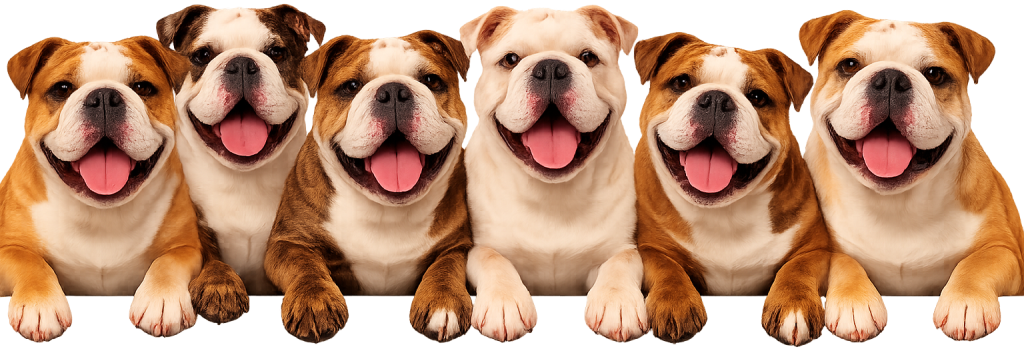
Bulldogs are renowned for their distinctive appearance and equally unique personalities. Understanding Bulldog behavior traits is key to a harmonious relationship with these charming companions. While often depicted as lazy or stubborn, Bulldogs possess a complex array of characteristics that make them loyal, affectionate, and often quite comical. By recognizing and working with their inherent behaviors, owners can foster a well-adjusted and happy Bulldog.
Common Bulldog Behavior Traits
One of the most prominent Bulldog behavior traits is their placid and gentle nature. They are generally calm, making them excellent family pets, often good with children and other animals when properly socialized. However, beneath their calm exterior lies a strong-willed streak. Bulldogs can be notoriously stubborn, a characteristic that often manifests during training sessions. This isn’t defiance, but rather a strong sense of self and an inclination to do things on their own terms. Patience and positive reinforcement are paramount when training a Bulldog.
Bulldogs are also incredibly loyal and bond deeply with their families. They thrive on companionship and can be prone to separation anxiety if left alone for extended periods. Their love for comfort and naps is legendary, and they are often content to lounge on the sofa with their human companions. Despite their love for relaxation, they do enjoy short bursts of play and attention. Early and consistent training, focusing on positive reinforcement, is essential to channel their stubbornness into cooperation and ensure they develop into polite, well-mannered adults. Understanding these traits will help you appreciate the depth of your Bulldog’s character and strengthen your bond.
The Bulldog’s Gentle Giant Persona
Many people are drawn to Bulldogs because of their calm demeanor. Indeed, these dogs are typically very laid-back and enjoy a relaxed pace of life. They are not usually high-energy dogs, preferring short walks and plenty of rest. This gentle nature makes them excellent companions for families, including those with young children. Furthermore, their tolerance and patience are remarkable, often allowing for playful interactions without becoming easily agitated. Consequently, these aspects make them suitable for apartment living, provided they receive adequate, albeit moderate, exercise.
Nevertheless, it is crucial to remember that every dog is an individual. Socialization from a young age is vital to ensure these naturally friendly dogs continue to exhibit positive interactions with new people and other pets. Introducing them to various sights, sounds, and experiences early on helps them grow into confident and well-adjusted adults. For example, regular trips to the park or supervised playdates can significantly enhance their social skills.
Understanding Bulldog Stubbornness
The stubborn streak in Bulldogs is perhaps their most famous, or infamous, characteristic. This isn’t necessarily a negative trait; rather, it’s a testament to their independent spirit. When a Bulldog decides they don’t want to do something, they can be incredibly difficult to persuade. This often presents challenges during training. For instance, they might plant their feet and refuse to move, or simply ignore commands. Therefore, traditional command-and-control training methods often prove ineffective with this breed.
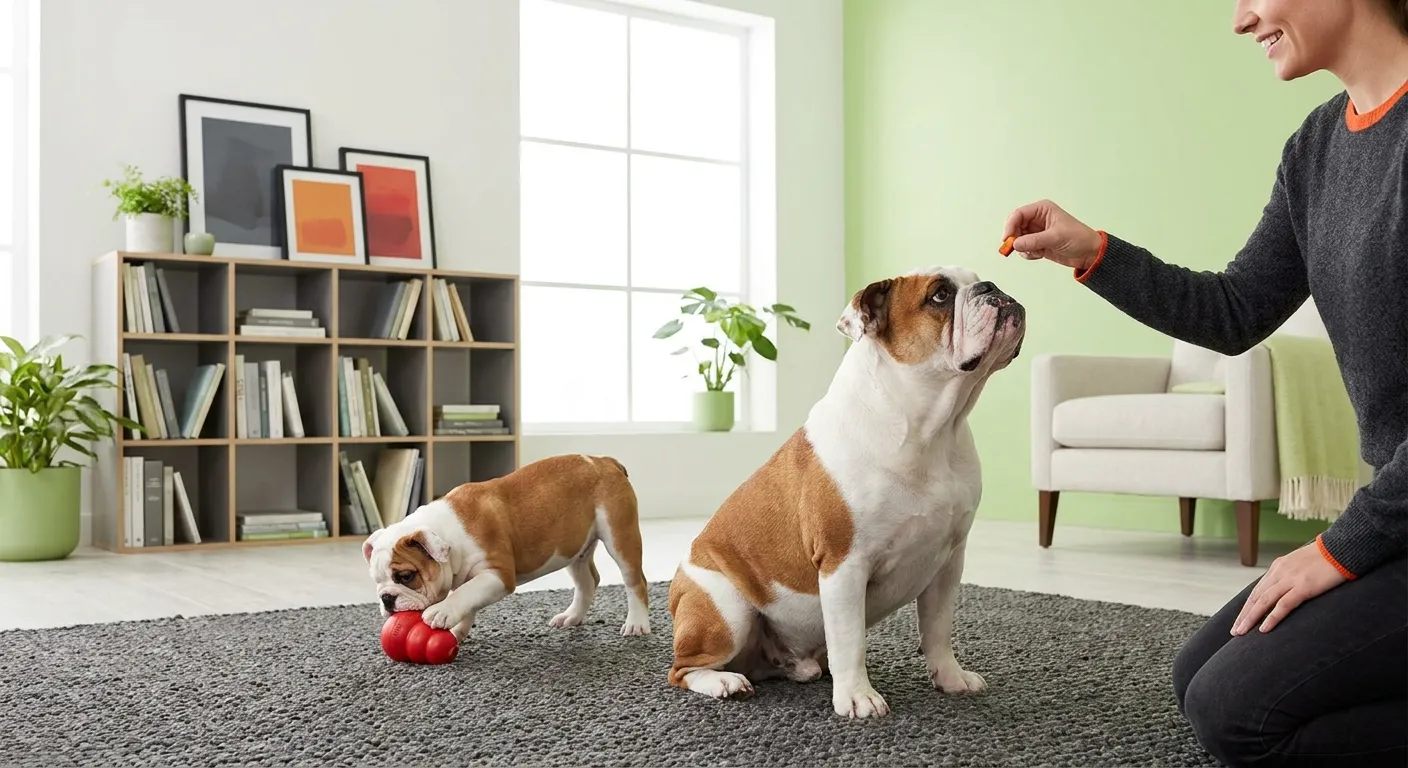
Instead, positive reinforcement is the most successful approach. This involves rewarding desired behaviors with treats, praise, or toys. Consistency is also key; repeating commands and rewarding success consistently helps to solidify the learning process. Furthermore, keeping training sessions short and fun can prevent your Bulldog from becoming bored or frustrated. Understanding these nuances of Bulldog temperament is vital for effective training.
Loyalty and Affection: The Bulldog Bond
Bulldogs form incredibly strong bonds with their families. They are deeply affectionate and thrive on human companionship. In fact, they often consider themselves lap dogs, despite their considerable size. They love to be involved in family activities, even if it just means lounging nearby. This strong attachment, however, can sometimes lead to separation anxiety. Owners should be mindful of this and work on gradually acclimating their Bulldogs to being alone for short periods.
Providing engaging activities and comfortable spaces can help alleviate anxiety. For instance, leaving a favorite chew toy or an interactive toy can provide distraction and comfort when you’re away. Moreover, creating a consistent routine helps them feel secure. This deep loyalty is one of the most rewarding aspects of owning a Bulldog, making them truly devoted family members. Their affectionate nature makes them wonderful companions who constantly seek closeness and comfort from their humans.
Health Considerations and Their Impact on Behavior
Certain health issues common to Bulldogs can also influence their behavior. Due to their brachycephalic (short-nosed) structure, they are prone to respiratory problems. This means they can overheat easily and may not tolerate strenuous exercise. Consequently, a seemingly lazy Bulldog might simply be conserving energy to avoid respiratory distress. Owners must be vigilant about their Bulldog’s comfort, especially in warm weather.
Other common conditions, such as joint issues, can also affect their willingness to move or play. Regular vet check-ups are essential to catch and manage these conditions early, ensuring your Bulldog remains as comfortable and happy as possible. Understanding these physical limitations helps explain certain aspects of Bulldog behavior traits and allows owners to adjust expectations and care accordingly. Furthermore, a healthy Bulldog is a happy Bulldog, leading to more predictable and positive behaviors.
Training Your Bulldog: Specific Strategies
Given their unique personality, training a Bulldog requires a specific approach. Firstly, start early. Puppyhood is the ideal time to begin socialization and basic obedience training. Secondly, use positive reinforcement exclusively. Harsh corrections or punishment will likely backfire, making your Bulldog even more resistant. Thirdly, keep sessions short and engaging. Bulldogs have shorter attention spans, so frequent, brief training periods are more effective than long, drawn-out ones.
For example, when teaching a new command, break it down into small, manageable steps. Reward each successful step. If your Bulldog shows signs of disinterest, take a break and try again later. Consistency across all family members is also crucial. Everyone in the household should use the same commands and reward system to avoid confusing the dog. This systematic approach is vital for shaping desirable Bulldog behavior traits.
Addressing Common Behavioral Challenges
While Bulldogs are generally well-behaved, some common challenges may arise. Excessive barking, for instance, can be a nuisance. This often stems from boredom, attention-seeking, or separation anxiety. Addressing the root cause is key. Providing plenty of mental stimulation with puzzle toys or interactive toys can help. For more persistent barking, bark control devices might be considered, but always with professional guidance. Another common issue is chewing. Bulldogs love to chew, especially during puppyhood. Providing a variety of appropriate chew toys can redirect this natural instinct away from furniture or shoes. Remember, understanding Bulldog behavior traits helps in preempting and managing these challenges effectively.
Separation anxiety is another significant concern. Bulldogs crave companionship. To mitigate this, gradually increase the time they are left alone. Start with very short periods and slowly extend them. Leaving them with a favorite blanket or a piece of your clothing can also provide comfort. In severe cases, consulting with a professional dog trainer or veterinary behaviorist might be necessary. They can offer tailored strategies to help your Bulldog cope. Furthermore, ensuring your bulldog has adequate exercise before you leave can help them relax during your absence.
The Importance of Socialization for Bulldogs
Socialization is a cornerstone of developing a well-adjusted Bulldog. Exposing your puppy to various people, places, sounds, and other animals from an early age helps them become confident and comfortable in different situations. A well-socialized Bulldog is less likely to develop fear-based aggression or anxiety. Puppy classes are an excellent way to provide structured socialization opportunities. For example, these classes allow puppies to interact safely with their peers while learning basic obedience.
Beyond puppyhood, continued exposure to new experiences is beneficial. Regular walks in different environments, supervised playdates, and visits to pet-friendly stores all contribute to ongoing socialization. This continuous process helps to reinforce positive Bulldog behavior traits, ensuring they remain friendly and adaptable throughout their lives. Moreover, a well-socialized dog is a joy to be around, making interactions smoother for everyone.
Exercise Needs and Playtime
Despite their calm demeanor, Bulldogs do require regular, moderate exercise. Short, daily walks are usually sufficient to keep them physically fit and mentally stimulated. However, it’s crucial to avoid over-exercising them, especially in hot weather, due to their brachycephalic nature. Monitoring their breathing and ensuring they have access to water is paramount. Playtime, while not always high-intensity, is also important for their well-being.
Bulldogs enjoy short bursts of play with toys. Tug-of-war, gentle fetch, or chasing a favorite toy can provide both physical and mental stimulation. Interactive toys and puzzle toys are excellent for engaging their minds, especially on days when outdoor activity is limited. This balanced approach to exercise and play helps maintain a healthy weight and prevents boredom, which can sometimes lead to undesirable Bulldog behavior traits like destructive chewing or excessive barking.
Building a Stronger Bond Through Understanding
Ultimately, a deep understanding of Bulldog behavior traits is the foundation for a strong and loving relationship. By appreciating their gentle nature, working with their stubbornness through positive reinforcement, and nurturing their loyalty, owners can provide an environment where their Bulldog thrives. Remember, every Bulldog is an individual, and while general traits apply, getting to know your specific dog’s quirks and preferences is key.
Consistent training, ongoing socialization, and proactive health management will ensure your Bulldog lives a happy, healthy, and well-adjusted life. They offer unparalleled companionship, and in return, they ask for patience, love, and understanding of their unique character. For more insights and resources, explore our Blog for expert tips on bulldog care. Additionally, considering safety accessories like ID tags & GPS trackers can provide peace of mind for their safety.
FAQ
What are the typical personality characteristics of a Bulldog?
Bulldogs are generally known for being calm, gentle, and affectionate. They are very loyal to their families and often display a charmingly stubborn streak. They enjoy relaxing and thrive on companionship, making them excellent family pets.
How do I effectively train a stubborn Bulldog?
Training a Bulldog requires immense patience and consistent use of positive reinforcement. Short, engaging sessions with high-value treats or praise work best. Avoid harsh corrections, as these can make them more resistant. Consistency across all family members is also crucial.
Do Bulldogs suffer from separation anxiety?
Yes, Bulldogs can be prone to separation anxiety due to their strong bond with their families and their need for companionship. Gradually acclimating them to being alone, providing engaging toys, and creating a routine can help manage this.
What kind of exercise do Bulldogs need?
Bulldogs require moderate exercise, typically consisting of short, daily walks. Due to their brachycephalic nature, it’s important to avoid strenuous activity, especially in warm weather. Short bursts of play with toys are also beneficial for their physical and mental health.
Are Bulldogs good with children and other pets?
Generally, Bulldogs are known for their patient and gentle nature, making them good with children and other animals when properly socialized from a young age. Early and continuous positive exposure helps them develop into well-adjusted and friendly companions.