
[be_published_modified_date]
Bulldog Socialization Tips: A Guide to Confident & Well-Adjusted Pups
Socialization is a critical aspect of raising any dog. For bulldogs, it’s particularly important to ensure they grow into confident, friendly, and well-adjusted companions. Early and positive bulldog socialization tips can help mitigate any potential stubbornness or protective instincts. This fosters a temperament that is tolerant and amiable with people and other animals. Furthermore, proper exposure prevents many behavioral issues later in life. Therefore, understanding effective strategies is key to a happy bulldog.
The Importance of Early Exposure: Bulldog Socialization Tips
The prime socialization window for puppies is between 3 to 16 weeks of age. During this time, it’s essential to expose your bulldog puppy to a wide variety of sights, sounds, people, and other vaccinated, friendly dogs. Always do this in a controlled and positive manner. For instance, this could include short, positive interactions with different age groups and genders of people. Moreover, expose them to various household noises like a vacuum cleaner or doorbell. Supervised playdates with calm, well-mannered dogs are also beneficial. Always ensure these experiences are positive; never force your puppy into a situation where they appear frightened or uncomfortable. In fact, a negative early experience can have lasting detrimental effects. Therefore, careful management is paramount.
As a result, building positive associations from a young age is crucial. Consider exposing your bulldog to different textures under their paws, such as grass, pavement, and carpet. This helps them adapt to various environments. Additionally, car rides can be a great way to introduce new sights and sounds, but keep them short and pleasant. Remember, the goal is to create positive memories. Consequently, your bulldog will learn to view new experiences as safe and enjoyable. These early bulldog socialization tips lay the foundation for a well-adjusted adult.
Puppy Classes and Continued Socialization
Enrolling your bulldog puppy in a well-run puppy class is one of the best bulldog socialization tips. These classes provide a safe and structured environment for puppies to interact with peers. They also learn basic obedience commands, all under the guidance of a professional trainer. Beyond puppyhood, continue to provide opportunities for positive socialization. Regular walks in dog-friendly parks, visits to friends’ houses with well-behaved pets, and continued exposure to new environments will reinforce their confidence and social skills. Always prioritize quality over quantity, ensuring each interaction is a positive one. Moreover, consistent positive reinforcement during these interactions is vital.
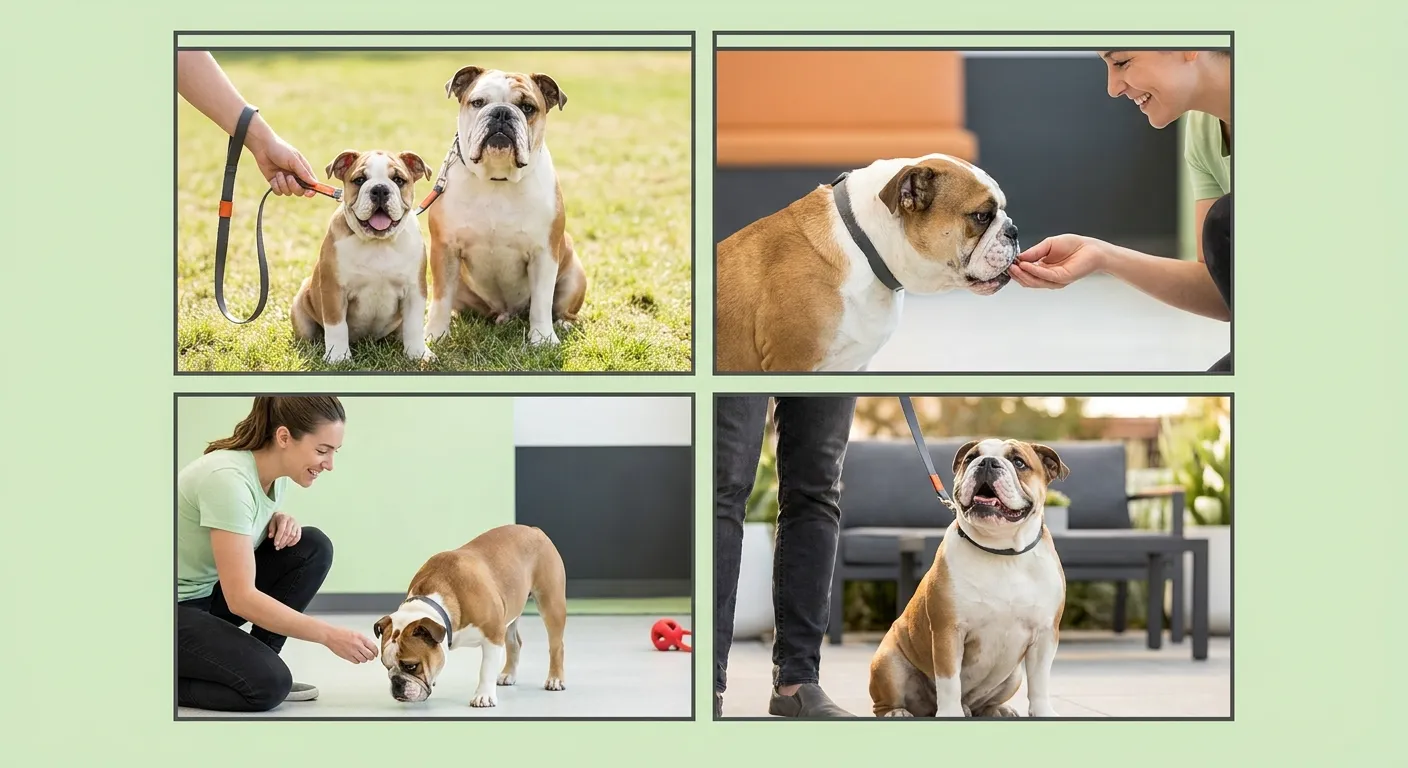
For instance, when introducing your bulldog to new people, have them offer a treat. This creates a positive association with strangers. Similarly, when meeting other dogs, ensure both dogs are calm and on leash initially. Observe their body language carefully. If either dog shows signs of stress, separate them gently. Furthermore, consider joining a local bulldog owners’ group. This offers a community of like-minded individuals. They can provide additional support and opportunities for controlled interaction. In fact, peer interaction is highly valuable for developing appropriate canine communication skills. Therefore, proactive socialization efforts are ongoing.
Understanding Bulldog Temperament and Socialization
Bulldogs are known for their gentle and amiable nature. However, they can also exhibit stubbornness or protective instincts if not properly socialized. Understanding their breed-specific traits is crucial for effective socialization. For example, bulldogs are generally not high-energy dogs, so their play with other dogs might be more sedate. They thrive on routine and positive reinforcement. Consequently, consistent training and socialization methods yield the best results. These bulldog socialization tips are tailored to their unique personality.
It’s important to introduce new experiences gradually. Avoid overwhelming your bulldog with too many new things at once. Instead, focus on short, positive sessions. This builds their confidence over time. Moreover, always be your bulldog’s advocate. If they seem uncomfortable in a situation, it’s okay to remove them. Never force interactions. In fact, forcing can create negative associations and fear. Therefore, a patient and understanding approach is essential. This ensures that every socialization experience is a building block for confidence, not anxiety. Furthermore, early training in basic commands like ‘sit’ and ‘stay’ can greatly aid in managing social situations. For instance, a ‘sit’ command can help calm your bulldog before a new introduction. This proactive approach supports successful interactions.
Key Socialization Environments and Scenarios
Successful socialization involves exposing your bulldog to a variety of safe and controlled environments. This includes both public and private settings. Consider dog-friendly cafes where your bulldog can observe people and other dogs from a distance. Similarly, short trips to pet stores can be beneficial, provided your dog is calm and comfortable. Always ensure the environment is not too overwhelming. Furthermore, introducing your bulldog to different sounds is also vital. This includes traffic noises, sirens, and children playing. Play sound desensitization tracks at home at a low volume. Gradually increase the volume as your bulldog becomes accustomed. This helps prevent fear responses to common urban sounds. These bulldog socialization tips encompass more than just meeting other animals.
Another important aspect is exposure to different types of people. This means individuals of varying ages, genders, and appearances. For example, ensure your bulldog meets people wearing hats, glasses, or using wheelchairs. This helps them understand that different appearances are normal and not threatening. Always supervise these interactions closely. Teach children how to properly interact with dogs. Ensure they are gentle and respectful. In fact, many fear-based aggressions stem from a lack of exposure to diverse human types. Therefore, broad exposure to people is just as important as exposure to other animals. Additionally, consider short, supervised visits to friends’ homes with well-behaved pets. This allows your bulldog to experience different household dynamics. These varied exposures are critical for comprehensive development. These bulldog socialization tips aim for a well-rounded companion.
Overcoming Challenges in Bulldog Socialization
Even with the best intentions, you might encounter challenges during socialization. Some bulldogs may be naturally more timid or more reactive than others. It’s important to recognize these individual differences. If your bulldog shows signs of fear or aggression, consult with a professional dog trainer or a veterinary behaviorist. They can provide personalized guidance and strategies. Never punish your bulldog for showing fear. This can exacerbate the problem. Instead, focus on positive reinforcement and gradual desensitization. For instance, if your bulldog is fearful of other dogs, start with very short, controlled exposures from a distance. Gradually decrease the distance as they become more comfortable. This is a key aspect of effective bulldog socialization tips.
Another common challenge can be managing overly enthusiastic greetings. Bulldogs can be quite strong, and an excited jump can be problematic. Teach your bulldog appropriate greetings, such as ‘sit’ for attention. Reward calm behavior consistently. Furthermore, be mindful of leash reactivity. If your bulldog barks or lunges at other dogs on leash, seek professional help. Leash reactivity is a common issue that can be effectively managed with proper training techniques. In fact, many resources are available to help with this. For example, the American Veterinary Society of Animal Behavior offers excellent guidelines on early puppy socialization. You can find their position statement here. Remember, consistency and patience are vital. Every small step forward is a victory. These bulldog socialization tips require dedication.
Maintaining Social Skills Throughout Adulthood
Socialization is not a one-time event; it’s an ongoing process throughout your bulldog’s life. Even after puppyhood, continue to provide opportunities for positive interactions. Regular walks, visits to dog parks (if your dog enjoys them and is well-behaved), and continued exposure to new environments are important. Consider enrolling in advanced obedience classes or even dog sports. This can further enhance your bulldog’s confidence and social skills. For instance, rally obedience or scent work can be mentally stimulating and provide structured social interaction. Moreover, maintaining a routine of new experiences helps prevent regression of social skills. This is a crucial element of effective bulldog socialization tips.
Furthermore, regular check-ups with your veterinarian are important. Ensure your bulldog is healthy and comfortable before engaging in social activities. Pain or discomfort can sometimes manifest as behavioral issues. Therefore, addressing any underlying health concerns is paramount. The AKC offers further guidance on socializing adult dogs. Continue to reinforce good manners and appropriate behavior in all social settings. This includes teaching your bulldog to walk politely on a leash and to respond to commands even with distractions. In fact, these ongoing efforts ensure your bulldog remains a confident and well-adjusted companion for years to come. Ultimately, a well-socialized bulldog is a joy to live with. These comprehensive bulldog socialization tips contribute to a fulfilling life for your pet.
Conclusion
By investing time and effort into early and ongoing socialization, you’ll help your bulldog develop into a balanced, happy, and confident member of your family and community. Remember, positive experiences are key. Gradual introductions and consistent positive reinforcement will build a strong foundation. A well-socialized bulldog is better equipped to handle new situations, reducing stress for both you and your beloved pet. These bulldog socialization tips are designed to foster a confident, friendly, and well-adjusted companion. Your dedication will result in a bulldog ready to take on the world with a wagging tail.
FAQ Section
What is the best age to start socializing a bulldog puppy?
The optimal time to begin socializing a bulldog puppy is between 3 to 16 weeks of age. This period is crucial for introducing them to various sights, sounds, people, and other vaccinated, friendly dogs in a positive and controlled manner.
How often should I socialize my bulldog?
Socialization should be an ongoing process throughout your bulldog’s life. While early exposure is vital, continue to provide regular opportunities for positive interactions, new environments, and varied experiences even into adulthood to maintain their confidence and social skills.
What if my bulldog is shy or fearful around new people or dogs?
If your bulldog exhibits shyness or fear, it’s important to approach socialization gradually. Start with controlled, short exposures from a distance and use positive reinforcement. Avoid forcing interactions. If the fear persists, consider consulting a professional dog trainer or a veterinary behaviorist for personalized guidance.
Can an older bulldog still be socialized?
Yes, older bulldogs can still benefit from socialization, although it may take more time and patience than with a puppy. Focus on positive experiences, gradual introductions, and consistent reinforcement. Professional help can be very beneficial for adult dogs with established fears or behaviors.
What are some good activities for bulldog puppy socialization?
Excellent activities for puppy socialization include enrolling in well-run puppy classes, supervised playdates with calm, vaccinated dogs, short positive interactions with diverse people, exposure to various household noises, and short, positive car rides to new, safe environments. The key is always to keep experiences positive and low-stress.