Bringing a Bulldog puppy home is an exciting adventure. Starting early with positive, consistent training is crucial for a well-behaved adult dog. Successfully training Bulldog puppy requires patience, understanding, and a commitment to positive reinforcement methods. While Bulldogs have a reputation for being a bit stubborn, they are intelligent and eager to please their families when approached with the right techniques. This guide will walk you through the essential first steps in training your new Bulldog puppy.
A well-trained Bulldog is a joy to live with. Therefore, establishing good habits early on is paramount. These initial weeks lay the foundation for their future behavior and your bond. Moreover, understanding your Bulldog’s unique personality will help tailor your approach. Remember, every puppy learns at their own pace. Consequently, consistency is more important than speed.
Setting the Foundation for Successful Bulldog Puppy Training
Before you even begin formal training, preparing your home and understanding your puppy’s needs is essential. This proactive approach makes the training process smoother for both of you. First, create a safe and comfortable environment. This includes a designated sleeping area, feeding station, and a safe space for play. Furthermore, puppy-proofing your home is vital to prevent accidents and protect your curious companion. Remove any toxic plants, secure electrical cords, and store hazardous chemicals out of reach.
Understanding Bulldog temperament is also key. They are known for their calm and gentle nature, but they can also be quite determined. This determination, often mistaken for stubbornness, means that clear communication and positive motivation are crucial. For example, short, frequent training sessions work best to keep their attention. Avoid long, repetitive drills that can lead to boredom or frustration. Instead, make learning fun and engaging.
Socialization is another critical aspect of early puppy development. Expose your Bulldog puppy to various sights, sounds, people, and other friendly, vaccinated dogs. This helps them grow into a confident, well-adjusted adult. Early socialization prevents fear-based behaviors and aggression later in life. Always ensure these experiences are positive and not overwhelming for your puppy. A well-socialized puppy is often easier to train in other areas.
House Training Success for Your Bulldog Puppy
House training is often the first and most vital lesson for any puppy. Establish a consistent routine from day one. Take your Bulldog puppy out frequently – every 1-2 hours, after waking up, after eating, and before bedtime. Always take them to the same designated potty spot. When they relieve themselves outside, praise them enthusiastically and offer a small, high-value treat immediately. This positive association helps them understand what is expected. Clean up any indoor accidents thoroughly with an enzymatic cleaner to eliminate odors that might attract them back to the same spot.
Crate training can be an invaluable tool for house training. A crate provides a safe, den-like space for your puppy. Since dogs naturally avoid soiling their sleeping area, a properly sized crate encourages bladder control. Introduce the crate positively with treats and toys. Never use the crate as punishment; instead, make it a comfortable retreat. Gradually increase the time your puppy spends in the crate. This method significantly aids in establishing a predictable potty schedule and reduces accidents.
Furthermore, learn to recognize your puppy’s cues. Circling, sniffing, or whining might indicate they need to go out. Responding quickly to these signals can prevent accidents. Always take your puppy out immediately if you notice these behaviors. Patience is essential during this phase. Accidents will happen, but consistent routines and positive reinforcement will lead to success. Many resources, like the Humane Society’s guide on house training, offer additional tips and support.
Introducing Basic Commands and Leash Training
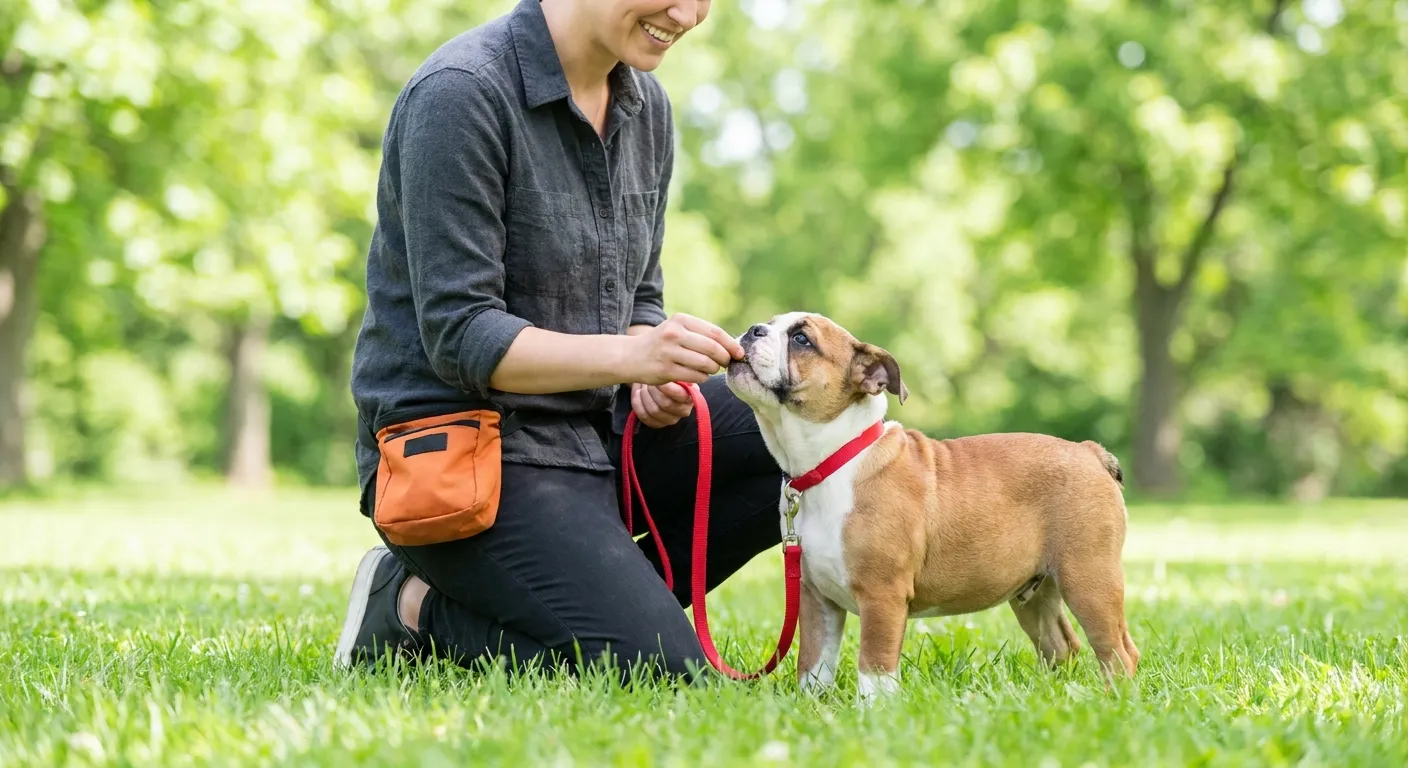
Once your puppy is settling in, begin introducing basic commands like “sit,” “stay,” and “come.” Keep training sessions short (5-10 minutes) and fun, always ending on a positive note. Use clear, consistent verbal cues and hand signals, rewarding desired behaviors with treats and praise. For leash training, start by letting your puppy wear a lightweight collar or harness for short periods indoors. Once they are comfortable, attach a leash and allow them to drag it around under supervision. Gradually introduce short walks around the house, then brief excursions outside. The goal is to make the leash and harness a positive experience. Remember, consistency and positive reinforcement are key when training Bulldog puppy, laying the foundation for a lifetime of good behavior.
Teaching “sit” is a great starting point. Hold a treat near your puppy’s nose and slowly move it over their head. As their head goes up, their rear end will naturally lower into a sit. As soon as their bottom touches the ground, say “sit” and reward them. Repeat this several times a day in short bursts. Similarly, for “come,” start in a quiet area. Kneel down, enthusiastically call your puppy’s name followed by “come,” and reward them when they reach you. Make coming to you a highly positive experience every time.
Leash training requires patience. Initially, your puppy might resist or pull. Avoid jerking the leash. Instead, stop walking when they pull and only resume when the leash is slack. This teaches them that pulling gets them nowhere. Gradually, they will learn to walk politely beside you. Consider using a comfortable harness instead of just a collar, as it distributes pressure more evenly and is often preferred for Bulldogs due to their unique neck structure. For additional guidance on walking, you can explore resources like the AKC’s leash training tips.
Addressing Common Challenges When Training Bulldog Puppy
Bulldogs can present unique challenges during training, mainly due to their strong will and occasional stubbornness. One common issue is nipping or biting. Puppies explore the world with their mouths, but it’s crucial to teach bite inhibition early. When your puppy nips too hard, yelp loudly, and immediately withdraw attention for a short period. This teaches them that hard bites end playtime. Provide plenty of appropriate chew toys to redirect their chewing instincts. It is important to be consistent with this redirection.
Another challenge can be their reluctance to perform commands if they aren’t sufficiently motivated. Bulldogs respond exceptionally well to high-value treats and enthusiastic praise. Discover what truly motivates your specific puppy. Some might prefer a favorite toy over a treat, for instance. Keep training sessions positive and upbeat. If your puppy seems disinterested or frustrated, take a break and try again later. Forcing them will only create negative associations with training.
Furthermore, Bulldogs are prone to certain health issues that can impact their training. Their brachycephalic (short-nosed) structure means they can overheat easily. Therefore, always train in cool environments and keep sessions short, especially during warmer weather. Ensure fresh water is always available. Recognizing when your puppy is getting tired or uncomfortable is crucial. Never push them beyond their physical limits. This consideration is vital for effective and humane training Bulldog puppy.
Advanced Training and Continued Socialization for Your Bulldog
Once your Bulldog puppy has mastered basic commands, you can begin to introduce more advanced training. This might include commands like “stay” for longer durations, “leave it,” or even fun tricks. Advanced training not only strengthens your bond but also provides mental stimulation, which is just as important as physical exercise for a happy Bulldog. Consider enrolling in puppy classes or obedience courses. These structured environments offer professional guidance and excellent socialization opportunities with other puppies and people. Many Bulldogs thrive in this kind of learning environment, further enhancing their skills.
Continued socialization is paramount as your Bulldog grows. Regularly expose them to new situations, places, and friendly individuals. Visit dog-friendly parks, stores, or cafes. Always ensure these experiences are positive and not overwhelming. A well-socialized Bulldog is more confident, less reactive, and generally a pleasure to be around in various settings. This ongoing exposure helps reinforce good behavior and prevents the development of fear or anxiety towards new stimuli.
Remember that training is an ongoing process, not a one-time event. Continue to practice commands regularly, even after your Bulldog knows them. This reinforces their learning and keeps their skills sharp. Incorporate training into daily interactions, making it a natural part of your life together. For example, ask your Bulldog to “sit” before receiving their meal or going out for a walk. This consistent reinforcement helps solidify their understanding and obedience. Furthermore, exploring different interactive toys can provide mental enrichment that complements their training regime.
Building a Strong Bond Through Consistent Training
The journey of training Bulldog puppy is also a journey of building an unbreakable bond. Every positive interaction, every successful command, and every moment of shared learning strengthens the connection between you and your furry companion. Positive reinforcement isn’t just about treats; it’s about building trust and mutual respect. Your Bulldog learns to see you as a benevolent leader who guides them with kindness and rewards their efforts.
Consistency is truly the cornerstone of all successful puppy training. Ensure that everyone in the household uses the same commands, hand signals, and rules. Inconsistency can confuse your puppy and slow down their learning process. If one person allows jumping on the couch while another forbids it, your Bulldog won’t understand what is expected. Therefore, establish clear household rules and communicate them to every family member involved in your puppy’s care. This unified approach makes training Bulldog puppy much more effective and less stressful for everyone.
Beyond formal training, spend quality time with your Bulldog puppy. Engage in play, cuddle sessions, and gentle grooming. These activities reinforce your bond and make your puppy feel secure and loved. A secure and loved puppy is often more receptive to training. For instance, regular short play sessions with puzzle toys can keep their minds engaged and prevent boredom, which can sometimes lead to destructive behaviors. A happy, stimulated puppy is a well-behaved puppy.
Positive Reinforcement and Patience: Key to Training Bulldog Puppy
Positive reinforcement is the most effective and humane method for training Bulldog puppy. This approach focuses on rewarding desired behaviors rather than punishing unwanted ones. When your puppy does something right, immediately provide a reward – a high-value treat, enthusiastic praise, or a favorite toy. This helps your puppy associate the action with a positive outcome, making them more likely to repeat it. Avoid scolding or physical punishment, as this can damage your bond, create fear, and lead to behavioral issues. Bulldogs, like all dogs, respond much better to kindness and encouragement.
Patience is equally important, especially with a breed that can be perceived as stubborn. There will be days when your puppy seems to forget everything they learned, or they might have an accident after weeks of being house-trained. These setbacks are normal. Do not get discouraged. Revisit the basics, maintain your consistent routine, and continue with positive reinforcement. Celebrate small victories and remember that every puppy learns at their own pace. Your calm and consistent demeanor will reassure your puppy and help them through any challenging phases.
Consider the importance of routine for your Bulldog puppy. A predictable schedule for feeding, potty breaks, playtime, and sleep helps establish good habits and reduces anxiety. Puppies thrive on routine. For example, knowing when their next potty break is coming helps them hold it longer. A consistent schedule also makes it easier for you to anticipate their needs and prevent accidents. This structured environment is crucial for successful training Bulldog puppy. It provides them with the security they need to learn and grow into well-adjusted companions.
Conclusion: Embracing the Journey of Training Your Bulldog Puppy
Embarking on the journey of training Bulldog puppy is a rewarding experience that strengthens the bond between you and your new companion. From house training to basic commands, and addressing common challenges, a consistent, positive, and patient approach will yield the best results. Remember that every Bulldog is an individual, and tailoring your training methods to their unique personality and needs is crucial. Celebrate their successes, be understanding during setbacks, and always prioritize their well-being and happiness.
By investing time and effort into early training and socialization, you are not just teaching your Bulldog puppy commands; you are shaping them into a confident, well-behaved, and cherished member of your family. The foundation you lay now will contribute to a lifetime of joy and companionship. Continue to learn, adapt, and enjoy every moment with your wonderful Bulldog. For further insights and resources, remember to visit our Blog for more expert tips and guidance.
FAQ Section
What is the best age to start training a Bulldog puppy?
The best time to start training your Bulldog puppy is as soon as you bring them home, typically around 8 weeks of age. Early socialization and basic obedience can begin immediately, even before they are fully vaccinated. Short, positive sessions are most effective for young puppies.
How long should training sessions be for a young Bulldog puppy?
Keep training sessions very short, ideally 5-10 minutes at a time. Puppies have short attention spans, so frequent, brief sessions throughout the day are more effective than one long session. Always end on a positive note to keep them eager for the next session.
Are Bulldogs hard to house train?
Bulldogs can sometimes be perceived as challenging to house train due to their strong will, but with consistency, patience, and a solid routine, they can be successfully house trained. Frequent potty breaks, positive reinforcement, and crate training are key strategies.
What kind of treats should I use for positive reinforcement?
Use small, high-value treats that your Bulldog puppy absolutely loves. These could be small pieces of cooked chicken, cheese, or commercially available soft training treats. Varying the treats can also keep them engaged and motivated during sessions.
How can I stop my Bulldog puppy from nipping or biting?
To stop nipping, teach bite inhibition. When your puppy nips too hard, yelp, and immediately withdraw attention. Provide appropriate chew toys to redirect their chewing. Consistency is crucial, ensuring everyone in the household follows the same rules.