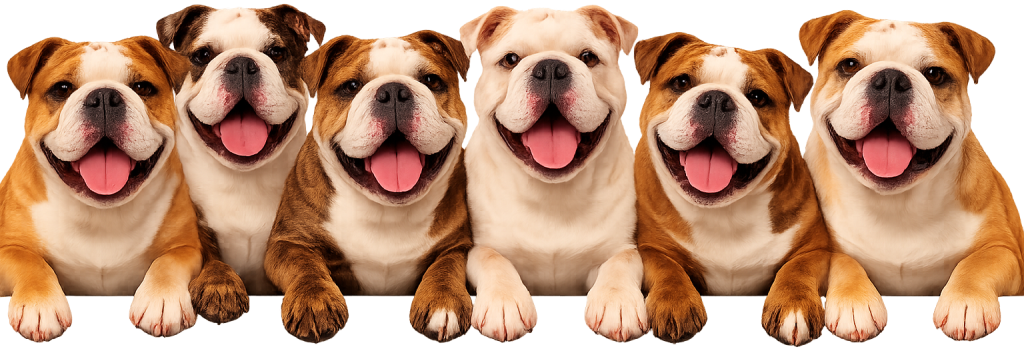
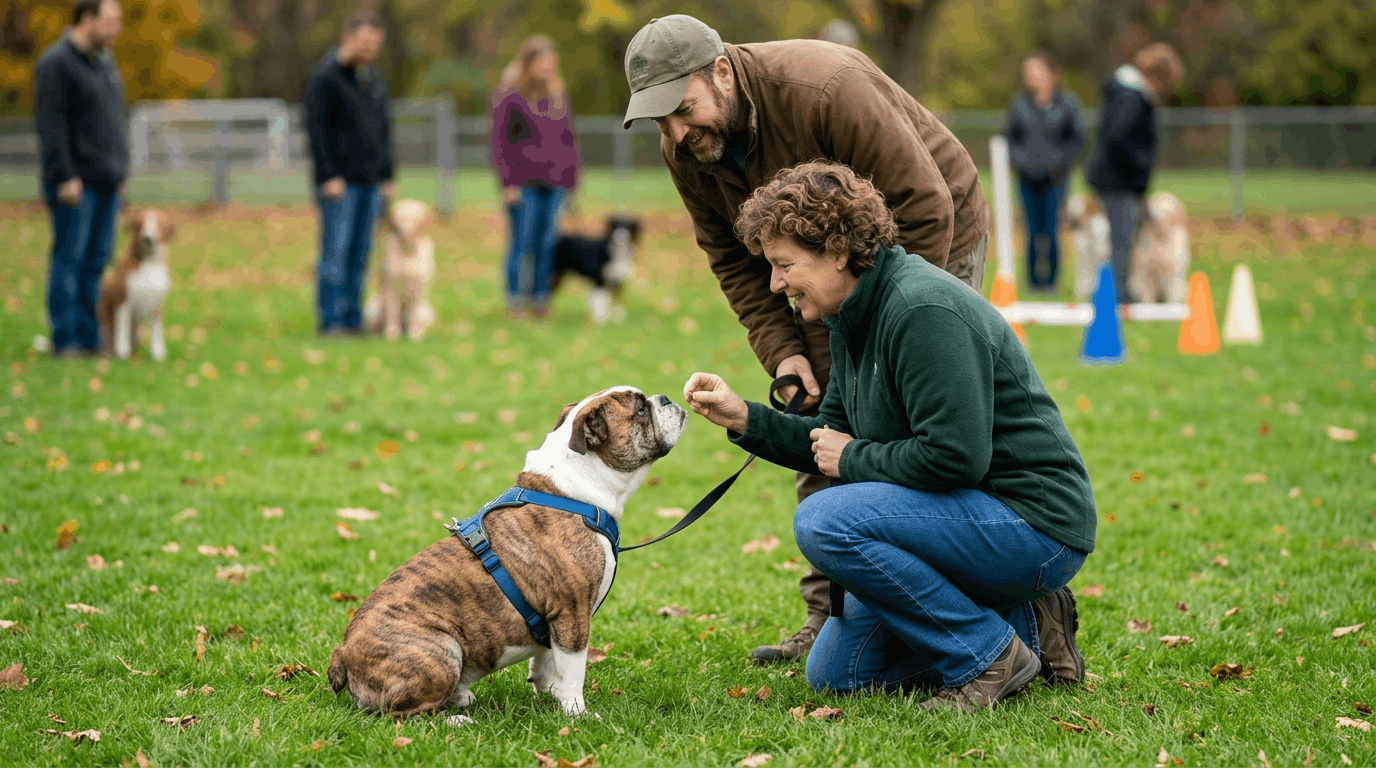
Bulldogs are lovable, loyal, and incredibly entertaining companions, but training them often feels challenging for first-time owners. Their stubborn personality, relaxed nature, and strong independence can make consistency difficult without the right strategy. Fortunately, bulldog obedience training becomes far more successful when owners understand how Bulldogs think, learn, and respond to structure. Instead of forcing harsh discipline, the best training methods focus on patience, repetition, positive reinforcement, and calm leadership.
Many Bulldog owners become frustrated because they expect instant results. However, Bulldogs usually learn at a slower pace than highly driven working breeds. That does not mean they are unintelligent. In fact, Bulldogs are very capable learners when training stays engaging, rewarding, and consistent.
The key to successful bulldog obedience training is building trust while creating routines your dog understands clearly. Once Bulldogs recognize expectations and rewards, they often become calmer, more cooperative, and easier to manage at home.
Understand The Bulldog Personality First
Training improves dramatically when owners understand their Bulldog’s mindset.
Bulldogs tend to be independent thinkers. They often pause before responding to commands because they naturally assess situations differently than fast-reacting breeds. Additionally, Bulldogs can become stubborn if training feels repetitive or overly harsh.
Because of this personality, bulldog obedience training works best when sessions stay positive and short. Long repetitive drills usually create frustration rather than improvement.
Bulldogs also respond strongly to tone of voice. Calm confidence encourages cooperation far more effectively than yelling or punishment.
Start Training As Early As Possible
Early training creates better habits before stubborn behaviors develop.
Puppies learn routines quickly during their first months. Even simple commands like sit, stay, come, and leave it establish structure early. Additionally, young Bulldogs become more adaptable when exposed to different people, sounds, and environments consistently.
However, older Bulldogs can still learn successfully. Patience simply becomes even more important with mature dogs.
Bulldog obedience training should begin with basic household manners before progressing toward more advanced behaviors.
Keep Training Sessions Short
Short sessions usually produce faster results.
Bulldogs lose focus quickly when training lasts too long. Five to ten minutes often works better than hour-long sessions. Short sessions prevent frustration while helping Bulldogs stay mentally engaged.
Several mini-training sessions throughout the day create better retention than one long session.
Consistency matters far more than duration during bulldog obedience training.
Use Positive Reinforcement Daily
Positive reinforcement remains the most effective training method for Bulldogs.
Reward good behavior immediately using treats, praise, toys, or affection. Bulldogs respond extremely well when they clearly associate actions with rewards.
Timing matters greatly. Rewards should happen within seconds of the correct behavior. Otherwise, Bulldogs may not understand what they did correctly.
Harsh punishment usually creates confusion, fear, or resistance. Instead, calm correction paired with redirection produces better long-term behavior.
Choose High-Value Rewards
Not all rewards motivate Bulldogs equally.
Many Bulldogs become highly food-motivated, so soft training treats often work extremely well. However, some Bulldogs prefer toys or praise instead.
Experiment with different rewards to discover what motivates your dog most strongly.
Successful bulldog obedience training depends heavily on motivation. When Bulldogs enjoy training, progress usually improves quickly.
Teach One Command At A Time
Too many commands at once overwhelm Bulldogs easily.
Start with simple foundational commands before adding complexity. Focus on mastering one behavior fully before moving to another.
For example, teach sit reliably before introducing stay. Once your Bulldog understands basic expectations, additional commands become easier to learn.
Clear progression helps bulldog obedience training remain organized and effective.
Use Consistent Words And Signals
Consistency reduces confusion dramatically.
Every family member should use the same command words and hand signals. If one person says “down” while another says “lie down,” Bulldogs may struggle to understand expectations.
Consistency also applies to rules. If jumping on furniture gets allowed sometimes but punished other times, Bulldogs receive mixed messages.
Reliable bulldog obedience training depends on predictable communication.
Focus On Calm Energy
Bulldogs mirror emotional energy surprisingly well.
Excited yelling, frustration, or tension often increases stubborn behavior. Calm leadership encourages calmer responses from your dog.
Before training sessions, take a moment to relax and stay patient. Bulldogs respond best when owners appear confident and steady.
Calm energy also helps nervous or reactive Bulldogs feel more secure during learning.
Practice Daily Household Manners
Training should happen throughout the day, not only during formal sessions.
Simple daily routines reinforce obedience naturally. Ask your Bulldog to sit before meals, wait before doorways, or stay calmly before receiving attention.
These small habits strengthen discipline consistently.
Bulldog obedience training becomes more effective when dogs practice behaviors in real-life situations instead of isolated training sessions alone.
Socialization Improves Obedience
Well-socialized Bulldogs usually behave more confidently and calmly.
Introduce your Bulldog gradually to different people, dogs, environments, sounds, and experiences. Positive social exposure helps reduce fear-based reactions later.
Socialization also improves focus because Bulldogs learn to stay calmer around distractions.
However, introductions should remain controlled and positive. Overwhelming experiences may create anxiety instead of confidence.
Avoid Repeating Commands Excessively
Repeating commands teaches Bulldogs to ignore you.
If you say “sit” five times before your dog responds, your Bulldog learns that immediate obedience is unnecessary.
Instead, give the command once clearly. Then guide your Bulldog toward success calmly if needed.
Clear communication strengthens bulldog obedience training far more effectively than constant repetition.
Exercise Before Training Sessions
Mild exercise helps many Bulldogs focus better.
A short walk or play session may release excess energy before training begins. Overexcited Bulldogs often struggle to concentrate properly.
However, avoid intense exercise immediately beforehand because Bulldogs tire easily, especially in warm weather.
Balanced energy levels improve learning considerably.
Teach Impulse Control Early
Impulse control creates calmer Bulldogs overall.
Commands like wait, stay, leave it, and place teach patience gradually. These skills help prevent jumping, pulling, rushing doors, and demanding behavior later.
Impulse control also strengthens emotional balance because Bulldogs learn how to pause instead of reacting instantly.
Bulldog obedience training becomes far easier once dogs understand self-control consistently.
Handle Stubborn Moments Calmly
Every Bulldog owner eventually faces stubborn behavior.
Sometimes Bulldogs simply refuse commands temporarily. Instead of becoming frustrated, stay calm and reset the situation gently.
Short breaks often help. Additionally, changing rewards or simplifying commands may improve cooperation.
Bulldogs usually respond poorly to power struggles. Calm persistence works much better than confrontation.
Prevent Accidental Reinforcement
Owners sometimes reward unwanted behaviors accidentally.
For example, giving attention when Bulldogs bark, jump, or demand treats reinforces those behaviors unintentionally. Bulldogs quickly repeat actions that produce results.
Instead, reward calm behavior consistently while ignoring attention-seeking habits whenever possible.
Successful bulldog obedience training requires awareness of what behaviors owners reinforce daily.
Crate Training Builds Structure
Crate training helps Bulldogs learn boundaries and routine.
When introduced properly, crates provide safe resting spaces while supporting house training and calm behavior. Bulldogs often appreciate having predictable quiet areas.
Crates should never become punishment tools. Instead, create positive associations using treats, toys, and calm praise.
Structured routines improve obedience significantly for many Bulldogs.
Leash Training Requires Patience
Bulldogs often pull strongly during walks despite their relaxed reputation.
Loose leash walking improves through gradual practice rather than force. Stop walking when pulling begins, then reward calm leash behavior immediately.
Short successful walks work better than frustrating long sessions.
Bulldog obedience training outdoors takes patience because distractions naturally increase excitement levels.
Watch For Mental Fatigue
Mental exhaustion affects Bulldogs quickly.
If your dog begins ignoring commands, yawning repeatedly, walking away, or losing focus, end the session positively. Overtraining usually reduces progress instead of improving it.
Short successful sessions create more confidence than exhausting drills.
Reward Calm Behavior Frequently
Many owners only notice misbehavior.
However, Bulldogs learn faster when owners reward calm choices regularly. Praise relaxed behavior, quiet waiting, gentle greetings, and calm resting throughout the day.
This approach helps Bulldogs understand exactly what behaviors earn positive attention.
Bulldog obedience training becomes smoother when calmness itself gets rewarded consistently.
Use Training To Strengthen Your Bond
Training should improve your relationship, not damage it.
Bulldogs thrive when they trust their owners fully. Positive interactions build confidence, security, and communication naturally.
Dogs that enjoy training often become more responsive because they associate learning with positive experiences instead of stress.
Stay Patient During Slow Progress
Progress sometimes happens slowly with Bulldogs.
One day your dog may perform perfectly, while the next day feels frustrating again. This inconsistency is common during training development.
Avoid comparing your Bulldog to other breeds. Focus instead on steady improvement over time.
Consistency eventually produces reliable results.
Know When Professional Help Is Useful
Some Bulldogs benefit from professional guidance.
If aggression, severe anxiety, reactivity, or extreme stubbornness develops, working with a qualified positive-reinforcement trainer may help greatly.
Professional trainers often identify issues owners overlook while creating customized solutions for specific behaviors.
Seeking help early prevents many problems from worsening later.
Bulldogs may appear stubborn, but most simply require patient and consistent communication. Successful bulldog obedience training depends on calm leadership, positive reinforcement, short sessions, and realistic expectations. Owners who remain consistent often discover that Bulldogs become deeply loyal and cooperative companions over time. While progress may sometimes feel slow, steady routines eventually create lasting behavior improvements. Most importantly, training should strengthen trust instead of creating fear or frustration. When Bulldogs feel secure, understood, and rewarded, they usually respond far better both at home and in public situations.
FAQ
1. How long does it take to train a Bulldog?
Most Bulldogs learn basic obedience within several weeks of consistent daily practice.
2. Are Bulldogs harder to train than other breeds?
Bulldogs can appear stubborn, but positive reinforcement usually improves learning significantly.
3. What rewards work best during training?
Soft treats, praise, toys, and affection often motivate Bulldogs very effectively.
4. Why does my Bulldog ignore commands sometimes?
Distractions, fatigue, inconsistency, or unclear communication commonly affect obedience responses.
5. Should Bulldogs be trained every day?
Yes, short daily sessions usually create the best long-term behavior results.