
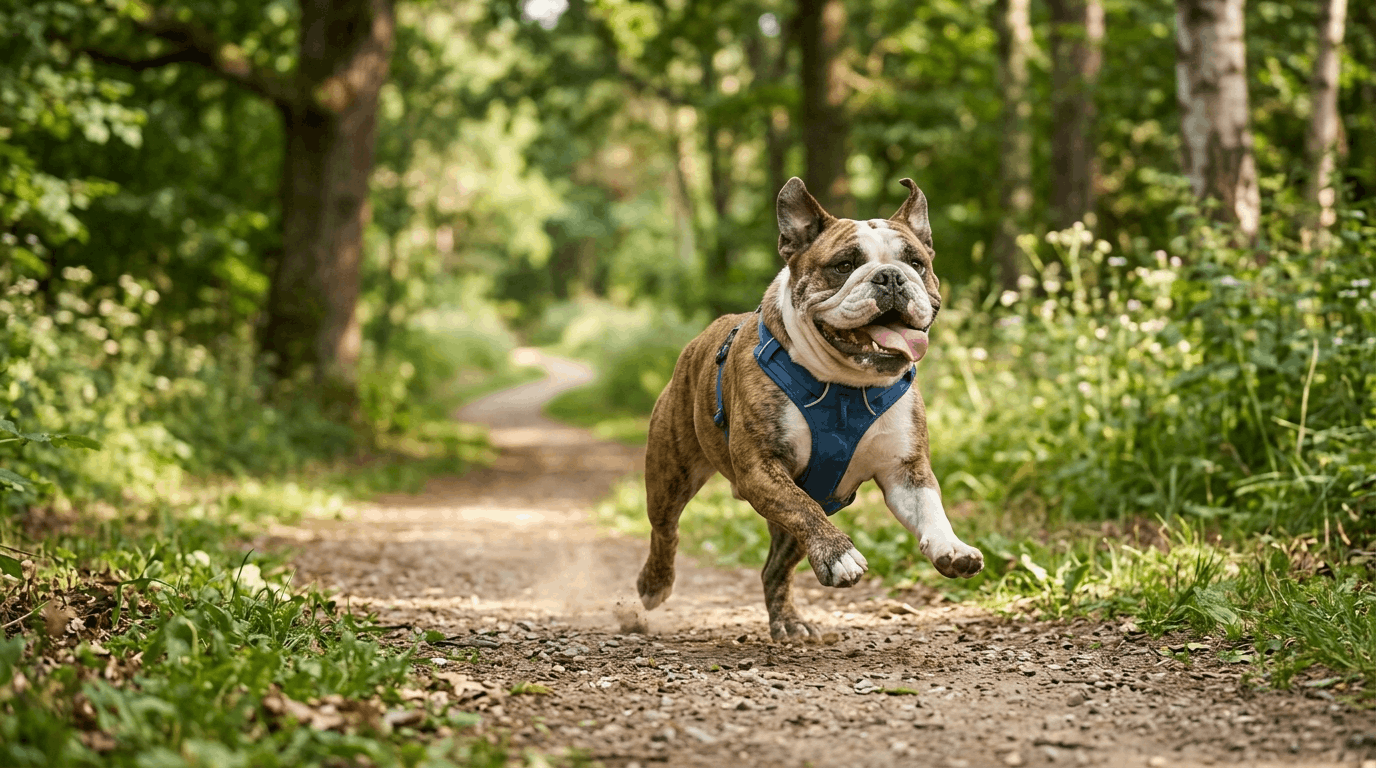
If you’re trying to make your lazy bulldog more active, you’re not alone. Many bulldog owners notice their dogs prefer lounging over moving, which can affect health over time. While this breed is naturally low-energy, the right approach can gently boost activity without causing stress or discomfort.
At first, it may seem difficult to change your dog’s habits. However, small and consistent changes often lead to noticeable improvements. By understanding your bulldog’s needs, you can encourage movement in a way that feels natural and enjoyable.
Why Bulldogs Tend To Be Less Active
Bulldogs are known for their calm and relaxed personalities. Because of their body structure, they tire more easily than other breeds. Their short snouts also make breathing harder during intense activity, which explains why many appear uninterested in exercise.
In addition, bulldogs often develop habits based on their environment. If they spend most of their time indoors without stimulation, they quickly adapt to a sedentary routine. Therefore, creating a more engaging environment is the first step toward helping a lazy bulldog more active in daily life.
Moreover, age and weight play a big role. Older or overweight bulldogs naturally move less, so adjusting routines based on their condition is essential.
Start With Short And Manageable Activities
Instead of forcing long walks, begin with short bursts of movement. This approach works better because bulldogs can handle limited exertion without becoming overwhelmed. For example, a five-minute walk in the morning can gradually build endurance.
Over time, you can extend these sessions slightly. However, always watch your dog’s breathing and energy level. If they start panting heavily, it’s time to stop. By pacing activity carefully, you make your lazy bulldog more active without pushing too hard.
Additionally, consistency matters more than intensity. Daily short activities often produce better results than occasional long ones.
Use Playtime To Increase Engagement
Play is one of the easiest ways to make a lazy bulldog more active. Unlike structured exercise, play feels natural and fun, which encourages participation. Toys that move or make noise can quickly grab your dog’s attention.
Try simple games like tug-of-war or gentle fetch in a small space. These activities keep your bulldog moving without requiring too much effort. As a result, they stay engaged longer and burn more energy.
Rotating toys also helps maintain interest. When your dog sees something new, they become curious and more willing to move. This small change can significantly increase activity levels over time.
Create A Daily Routine That Encourages Movement
Routine plays a major role in shaping behavior. When you establish a consistent schedule, your dog begins to expect activity at certain times. For instance, walking after meals or playing before bedtime creates a predictable pattern.
Gradually, your bulldog will associate these times with movement. This helps make your lazy bulldog more active without resistance. In contrast, random or inconsistent routines often lead to less participation.
Also, pairing activity with rewards can improve motivation. Treats, praise, or affection reinforce positive behavior, making your dog more likely to stay active.
Make The Environment More Stimulating
A boring environment can make any dog less active. Therefore, adding stimulation is essential if you want a lazy bulldog more active throughout the day. Interactive toys, puzzle feeders, and new scents can spark curiosity.
For example, hiding treats around the house encourages your dog to move and explore. This turns activity into a game rather than a chore. Similarly, changing walking routes introduces new sights and smells, which keeps your bulldog interested.
Even small adjustments, like moving toys to different locations, can make a noticeable difference. These changes prevent boredom and promote natural movement.
Focus On Weight And Nutrition
Weight management is crucial when trying to make a lazy bulldog more active. Extra weight puts strain on joints and reduces energy levels, making movement less appealing. Therefore, a balanced diet supports both health and activity.
Portion control is important, especially for bulldogs that love food. Reducing unnecessary treats while maintaining proper nutrition can improve energy levels. As a result, your dog may naturally become more active.
In addition, high-quality food provides the nutrients needed for sustained energy. When your bulldog feels better physically, they are more likely to engage in daily activities.
Encourage Social Interaction
Dogs often become more active when they interact with others. Social environments stimulate curiosity and excitement, which can motivate movement. For instance, playdates with other dogs can encourage your bulldog to move more than usual.
Even short interactions can help. Visiting a dog-friendly park or allowing supervised play can make your lazy bulldog more active in a natural way. However, always monitor your dog to ensure they do not overexert themselves.
If your bulldog prefers people, engaging with family members also works. Simple activities like following you around the house or playing gentle games can increase daily movement.
Understand Limits And Avoid Overexertion
While it’s important to increase activity, it’s equally important to respect your bulldog’s limits. Their physical structure makes them prone to overheating and breathing difficulties. Therefore, pushing too hard can do more harm than good.
Always choose cooler times of the day for outdoor activities. Early mornings or evenings are ideal because temperatures are lower. Additionally, provide plenty of water and rest breaks.
By balancing effort and recovery, you ensure that your lazy bulldog more active safely and sustainably. This approach prevents burnout and keeps your dog comfortable.
Use Positive Reinforcement For Lasting Results
Positive reinforcement is one of the most effective ways to encourage behavior. When your bulldog associates activity with rewards, they become more willing to participate. Simple praise or treats after movement can reinforce good habits.
Over time, your dog begins to enjoy activity for its own sake. This makes it easier to maintain a routine and keep your lazy bulldog more active long-term.
Consistency is key here. Reinforcing behavior regularly helps turn small actions into lasting habits.
Track Progress And Adjust Gradually
Every bulldog is different, so progress may vary. Some dogs respond quickly, while others take more time. Therefore, tracking small improvements helps you stay motivated.
Notice changes like increased willingness to walk, longer play sessions, or improved energy levels. These signs indicate that your efforts are working. If progress slows, adjust your approach slightly instead of giving up.
Gradual changes are more effective than sudden shifts. By staying patient, you can steadily make your lazy bulldog more active without causing stress.
Conclusion
Helping a lazy bulldog more active does not require drastic changes. Instead, small and consistent efforts create lasting results. By combining short activities, engaging play, and a supportive environment, you can improve your dog’s energy and overall health.
Remember, patience and understanding are essential. Bulldogs may never become highly energetic, but they can still enjoy a more active and fulfilling lifestyle. With the right approach, you can build habits that keep your dog healthier, happier, and more engaged every day.
FAQ
1. How can I safely increase my bulldog’s activity level?
Start with short sessions, monitor breathing, and gradually increase activity while ensuring your dog stays comfortable.
2. What toys work best for low-energy dogs?
Interactive toys, puzzle feeders, and soft tug toys often encourage movement without requiring intense effort.
3. How often should bulldogs exercise each day?
Short sessions two to three times daily usually work best, depending on your dog’s age and health.
4. Can diet affect my dog’s energy levels?
Yes, proper nutrition and weight management can significantly improve energy and willingness to move.
5. What should I avoid when trying to increase activity?
Avoid overexertion, high heat, and long intense exercise sessions that may cause breathing difficulties.