Good oral hygiene is often overlooked but is a critical component of your bulldog’s overall health. Due to their brachycephalic skull structure, bulldogs can be more prone to dental issues like crowded teeth, gum disease, and plaque buildup. Implementing a consistent and comprehensive Bulldog dental care routine is essential for preventing painful conditions and costly veterinary procedures. This guide provides actionable steps to maintain your bulldog’s oral health, ensuring their comfort and well-being from puppyhood through their senior years.
Establishing a Daily Brushing Routine for Your Bulldog
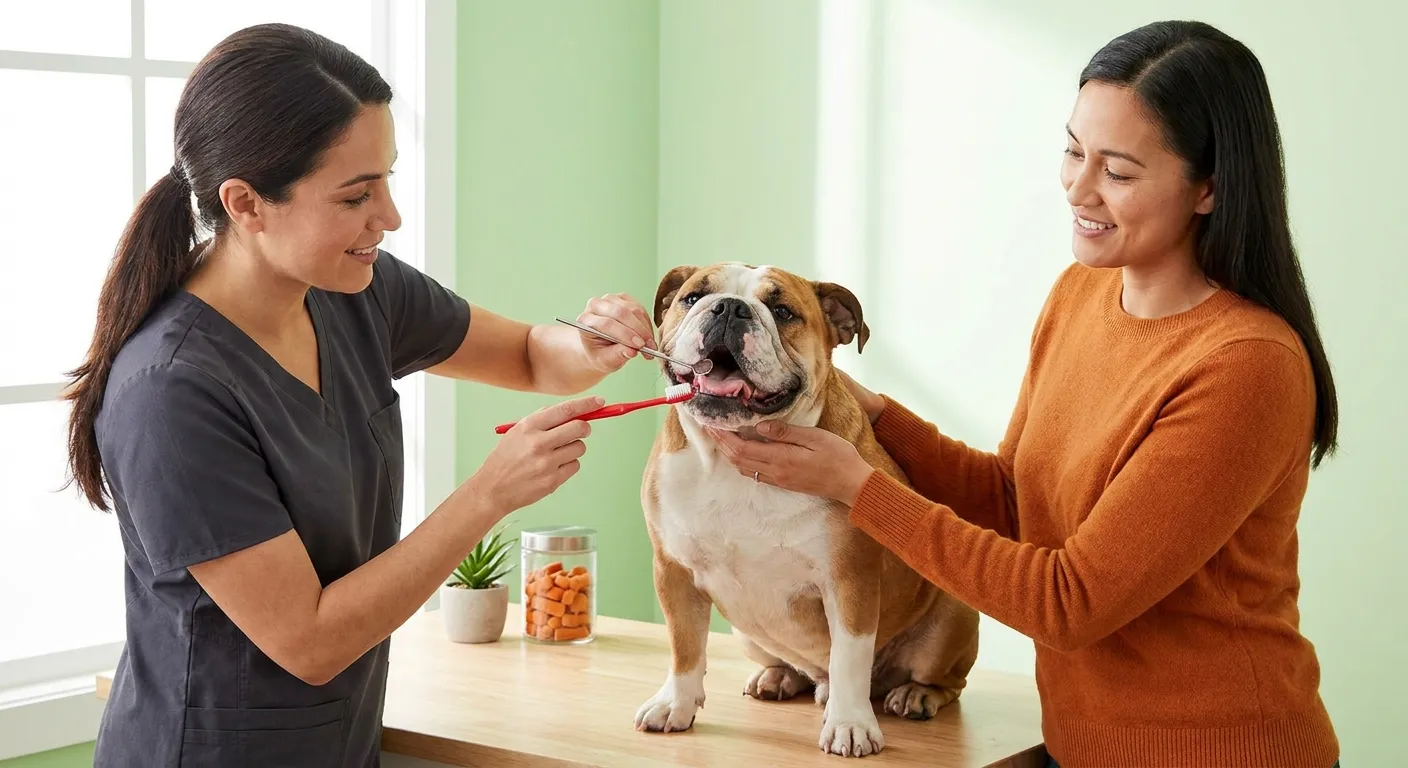
The cornerstone of effective bulldog oral hygiene is regular tooth brushing. Ideally, you should aim to brush your bulldog’s teeth daily, or at least several times a week. Start slowly, introducing your bulldog to a pet-specific toothbrush and enzymatic toothpaste (never use human toothpaste, as it can be toxic). Begin by letting them lick the toothpaste off the brush, then gently rub it along their gums and teeth for short periods. Gradually increase the duration as they become more comfortable. Focus on the outside surfaces of the teeth, especially the back molars, where plaque tends to accumulate. Consistency is key; make it a positive experience with praise and treats, and it will become a routine part of their day. Furthermore, establishing this routine early can significantly reduce future dental problems. For younger bulldogs, integrating this into their daily schedule alongside other essential practices, such as those covered in Bulldog Puppy Essential Care: Laying a Healthy Foundation, can set them up for a lifetime of good health.
Beyond Brushing: Professional Cleanings and Dental Chews
While daily brushing is vital, it may not be enough to prevent all dental problems. Regular professional dental cleanings performed by your veterinarian are often necessary. These procedures allow for a thorough cleaning, scaling, and polishing of teeth, often requiring anesthesia for safety and effectiveness, and for addressing issues below the gumline. Your vet can also assess for any signs of gum disease, broken teeth, or other oral pathologies. In addition to brushing and professional cleanings, certain dental chews, toys, and water additives can complement your Bulldog dental care efforts. Choose veterinary-approved products designed to help reduce plaque and tartar. Always supervise your bulldog with dental chews to prevent choking. By combining these strategies, you can significantly reduce the risk of painful dental diseases and contribute to your bulldog’s long-term health and happiness.
Understanding Common Bulldog Dental Issues
Bulldogs, with their unique facial structure, are predisposed to several specific dental challenges. Therefore, understanding these issues is the first step toward effective prevention and treatment. One common problem is dental crowding, where teeth are packed too closely together. This creates ideal hiding spots for food particles and bacteria, making them difficult to clean even with regular brushing. Consequently, this can lead to accelerated plaque and tartar buildup. Another frequent concern is periodontal disease, an infection of the tissues surrounding the teeth. This condition ranges from mild gingivitis to severe periodontitis, which can result in bone loss and tooth extraction. Moreover, retained deciduous (puppy) teeth are also common in bulldogs. If puppy teeth do not fall out naturally, they can interfere with the eruption of adult teeth, causing misalignment and further crowding. Regular veterinary check-ups are crucial for identifying and addressing these issues early. Furthermore, early detection can prevent minor issues from escalating into significant health problems. The American Veterinary Medical Association provides valuable resources on pet dental health, highlighting the importance of preventative measures for breeds like bulldogs. Learn more about pet dental care from the AVMA.
Preventative Measures for Optimal Oral Health
Proactive prevention is key to maintaining excellent bulldog oral health. Beyond daily brushing, several other practices contribute significantly to a healthy mouth. Firstly, a high-quality diet plays a role. While diet alone cannot prevent all dental issues, some kibble formulations are designed to help scrape plaque from teeth as your bulldog chews. However, always prioritize your bulldog’s overall nutritional needs, especially if they have sensitivities, as discussed in Bulldog Sensitive Stomach Diet: Expert Tips for Digestive Health. Secondly, provide appropriate chew toys. These should be durable and specifically designed for dental health, but not so hard that they risk breaking teeth. Thirdly, consider dental rinses or water additives recommended by your veterinarian. These products contain ingredients that can help reduce bacteria and freshen breath. Fourthly, regular veterinary dental exams are paramount. These check-ups allow your vet to spot early signs of disease, such as gum inflammation or fractured teeth, long before they become painful or severe. Specifically, these regular evaluations are a critical part of comprehensive Bulldog dental care. Implementing these preventative measures consistently will significantly reduce the likelihood of your bulldog developing serious oral health problems.
Recognizing Signs of Dental Disease in Your Bulldog
As a responsible bulldog owner, being able to recognize the signs of dental disease is incredibly important. Bulldogs are stoic animals, meaning they often hide pain, including dental discomfort. Therefore, by the time obvious symptoms appear, the condition might be quite advanced. Common indicators of dental problems include persistent bad breath, which is often one of the first and most noticeable signs. Furthermore, you might observe a change in eating habits, such as difficulty chewing, dropping food, or showing a preference for softer foods. Excessive drooling, pawing at the mouth, or swelling around the face can also signal a problem. Visually, look for red, swollen, or bleeding gums. Additionally, yellow or brown tartar buildup on the teeth is a clear indication that professional intervention is needed. Loose or missing teeth are also serious signs. If you notice any of these symptoms, it is crucial to schedule a veterinary examination promptly. Early diagnosis and treatment are essential for preventing further pain and complications. This proactive approach is just as important as early health screenings for other conditions, as highlighted in Proactive Health: Why Early Bulldog Health Screenings Are Non-Negotiable.
The Role of Nutrition in Bulldog Oral Health
While brushing is fundamental, the food your bulldog eats also plays a significant role in their oral health. A balanced diet supports overall health, which in turn strengthens their immune system and ability to fight off oral infections. Some veterinary dental diets are specifically formulated with unique kibble shapes and textures designed to mechanically scrub the tooth surface as your bulldog chews. These can help reduce plaque and tartar accumulation. However, it’s important to discuss any dietary changes with your veterinarian, especially if your bulldog has other health considerations. Treats also warrant attention; while delicious, many commercial treats are high in sugar and can contribute to tooth decay. Opt for dental-specific treats that are approved by the Veterinary Oral Health Council (VOHC) for proven efficacy in reducing plaque and tartar. Conversely, avoid giving your bulldog hard bones or antlers, as these can cause fractured teeth, leading to significant pain and requiring costly dental procedures. Selecting appropriate food and treats is an integral part of holistic Bulldog dental care.
Advanced Dental Procedures and What to Expect
When routine care isn’t enough, or if dental disease is already present, your veterinarian may recommend advanced dental procedures. These typically involve a professional dental cleaning under anesthesia. Anesthesia allows for a thorough examination of the entire oral cavity, including below the gum line, which is impossible in a conscious animal. During the procedure, your vet will scale away plaque and tartar using ultrasonic and hand instruments. Furthermore, they will polish the teeth to smooth the enamel, making it harder for plaque to adhere in the future. Dental X-rays are also a crucial part of this process, as they reveal problems hidden beneath the gum line, such as abscesses, bone loss, or unerupted teeth. If extractions are necessary due to severe disease or damage, these will be performed carefully to minimize trauma. Post-procedure, your vet will provide instructions for at-home care, which might include pain medication or antibiotics. Regular professional cleanings, often recommended annually or bi-annually depending on your bulldog’s individual needs, are a cornerstone of effective Bulldog dental care. The AKC offers further insights into dog dental care.
Long-Term Strategies for a Healthy Bulldog Smile
Maintaining your bulldog’s oral health is a lifelong commitment, requiring a combination of consistent home care and professional veterinary support. Establishing a routine early in your bulldog’s life, as part of their comprehensive Bulldog Puppy Essential Care, is highly beneficial. Daily brushing remains the most effective at-home method for preventing plaque buildup. Moreover, incorporating dental chews and appropriate toys can provide supplementary benefits. Regular veterinary check-ups, including specific dental examinations, are essential for monitoring oral health and catching potential issues early. Furthermore, don’t hesitate to discuss any concerns about your bulldog’s mouth with your vet. They can provide tailored advice and recommendations for products or practices specific to your bulldog’s needs. By diligently following these guidelines, you can significantly reduce the incidence of painful dental diseases, ensure your bulldog’s comfort, and contribute to their overall longevity and quality of life. Ultimately, consistent Bulldog dental care is an investment in their happiness and well-being.
Conclusion
Effective Bulldog dental care is a cornerstone of your pet’s overall health and happiness. Due to their unique anatomy, bulldogs are particularly susceptible to dental issues, making a proactive approach even more critical. By establishing a consistent daily brushing routine, supplementing with veterinary-approved dental chews and water additives, and ensuring regular professional dental cleanings, you can significantly mitigate the risks of painful and costly oral diseases. Furthermore, recognizing the early signs of dental problems and addressing them promptly with your veterinarian is vital. Remember, a healthy mouth contributes to a healthy body. Prioritizing your bulldog’s oral hygiene will ensure they can enjoy their food comfortably, remain free from dental pain, and live a long, vibrant life. Your commitment to their dental health is a testament to your dedication as a responsible bulldog owner.
FAQ
Why is oral hygiene especially important for bulldogs?
Bulldogs have a brachycephalic skull structure, which often leads to crowded teeth. This crowding creates more opportunities for food particles and bacteria to get trapped, increasing their susceptibility to plaque buildup, tartar, and gum disease. Therefore, dedicated care for their teeth and gums is essential for preventing serious oral health issues.
How often should I brush my bulldog’s teeth?
Ideally, you should aim to brush your bulldog’s teeth daily. If daily brushing isn’t feasible, brushing several times a week is still highly beneficial. Consistency is more important than infrequent, intense sessions. Use a pet-specific toothbrush and enzymatic toothpaste, never human toothpaste.
What are the signs of dental disease in bulldogs?
Common signs of oral disease in bulldogs include bad breath, red or swollen gums, yellow or brown tartar on teeth, difficulty eating, pawing at the mouth, excessive drooling, or changes in behavior. If you notice any of these symptoms, consult your veterinarian promptly.
Are dental chews effective for maintaining a bulldog’s oral health?
Dental chews can be a helpful supplement to brushing and professional cleanings, but they are not a standalone solution. Choose veterinary-approved dental chews that are specifically designed to reduce plaque and tartar. Always supervise your bulldog when they are chewing to prevent choking or injury.
When should my bulldog have a professional dental cleaning?
The frequency of professional dental cleanings varies depending on your bulldog’s individual needs and the advice of your veterinarian. Many vets recommend annual cleanings, especially for breeds prone to dental issues like bulldogs. These cleanings allow for thorough scaling, polishing, and examination under the gum line, often requiring anesthesia.