As devoted bulldog owners, understanding and addressing your pet’s unique health profile is paramount. Bulldogs, while charming and loving, are predisposed to a range of breed-specific health challenges due to their unique physiology. This makes early bulldog health screenings not just recommended, but an absolute non-negotiable for ensuring a long, comfortable life for your companion. In an era where pet humanization drives increased spending on wellness and preventive care, and online information seeking is prevalent, it’s vital to rely on expert-backed advice to avoid delayed or avoided veterinary care.
The Bulldog’s Unique Health Landscape
Bulldogs are known for their brachycephalic (short-nosed) structure and stocky build. These endearing traits, however, come with inherent health vulnerabilities. Consequently, proactive care is crucial for these beloved dogs. Specifically, their anatomy can lead to various health concerns.
- Respiratory Issues: Brachycephalic Obstructive Airway Syndrome (BOAS) is a significant concern, often leading to breathing difficulties. Owners should be aware of the signs.
- Joint and Mobility Problems: Conditions like hip and elbow dysplasia, patella luxation, and spinal abnormalities are common. These frequently lead to arthritis in later life.
- Skin Conditions: Excessive wrinkles can easily lead to skin fold dermatitis. Regular cleaning and inspection are therefore necessary.
- Other Concerns: Obesity, eye conditions (cherry eye, corneal ulcers), and heart disease are also prevalent. Early detection can make a significant difference.
Given these predispositions, a proactive approach to health through early screenings becomes a cornerstone of responsible bulldog ownership. Furthermore, understanding these risks empowers owners.
What Are Early Bulldog Health Screenings?
Early health screenings involve a series of veterinary examinations and diagnostic tests. These are performed on young bulldogs to identify potential health issues before they become severe. This isn’t about finding problems; it’s about understanding risks, establishing baselines, and implementing preventive strategies. This aligns perfectly with the industry trend of focusing on longevity, preventive care, and early intervention. Moreover, these screenings provide peace of mind for owners. In fact, they are a vital investment in your bulldog’s future.
Key Screenings and Why They Matter
1. Comprehensive Physical Examinations
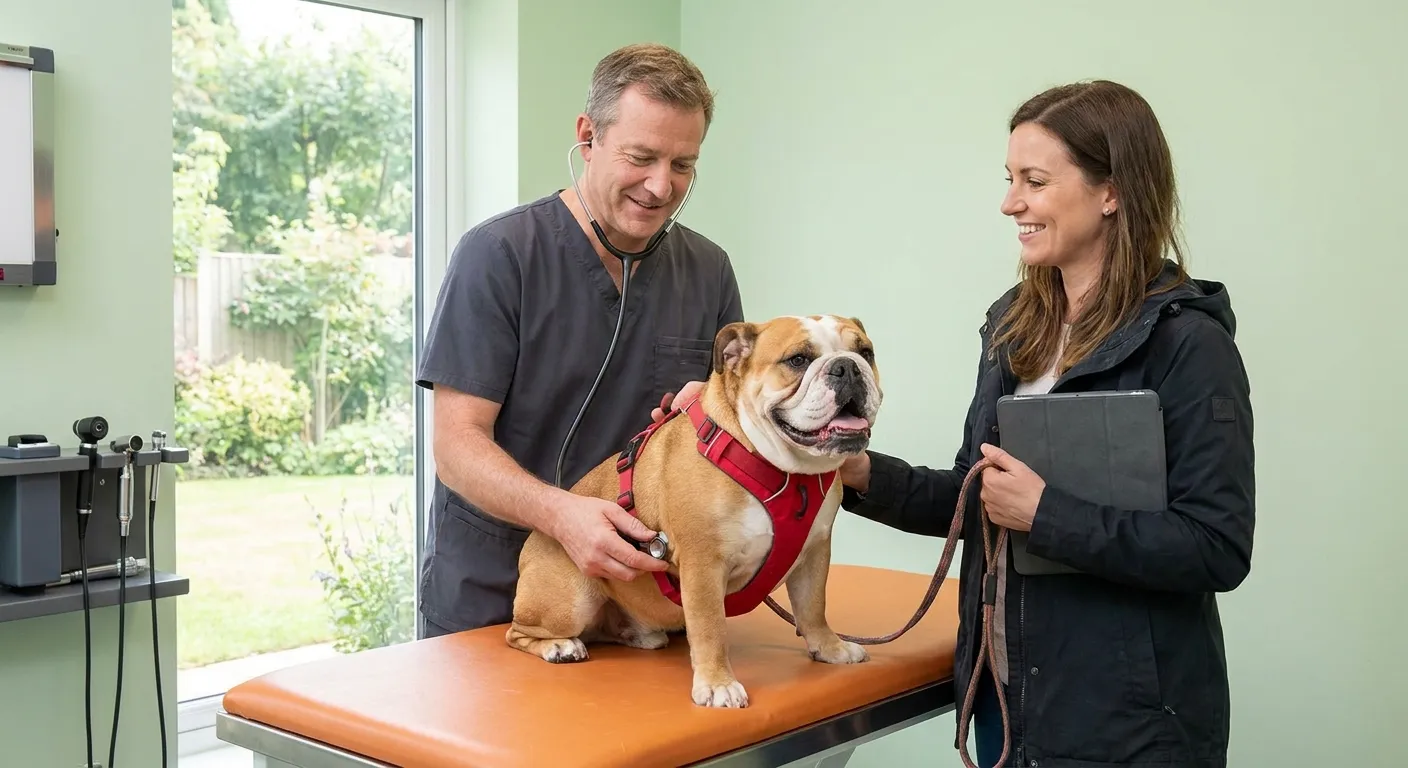
Regular vet visits from puppyhood are crucial. Your veterinarian will assess your bulldog’s overall condition, listen to their heart and lungs, palpate joints, and inspect skin folds. These routine check-ups are the first line of defense in identifying subtle changes. Additionally, they establish a baseline for your pet’s health. Therefore, consistent appointments are highly recommended.
2. Respiratory Assessment for BOAS
Given the high prevalence of BOAS, your vet will carefully evaluate your bulldog’s breathing patterns, nostril size, and soft palate. In some cases, specialized assessments or even genetic testing might be recommended to gauge the risk or severity of respiratory compromise. Early identification can lead to lifestyle adjustments or, if necessary, corrective surgery, significantly improving quality of life. Furthermore, understanding BOAS is vital for all bulldog owners. For more information, you can consult authoritative resources like the American College of Veterinary Surgeons on Brachycephalic Airway Syndrome.
3. Orthopedic Evaluations and X-rays
For a breed prone to joint issues, early orthopedic screenings are critical. Your vet may recommend hip and elbow X-rays at an appropriate age. These screenings help detect conditions like dysplasia before they cause significant pain or mobility loss. Early diagnosis allows for interventions such as dietary management, physical therapy, or even surgical correction. Consequently, your bulldog can maintain better mobility throughout its life. Furthermore, regular checks can monitor progress and adjust treatment plans. For instance, monitoring joint health is as important as choosing the right Chew Toys to support dental health.
4. Eye Examinations
Bulldogs are susceptible to several eye conditions, including cherry eye, entropion, and corneal ulcers. Early eye examinations by a veterinary ophthalmologist can identify these issues. Timely intervention, often surgical, can prevent discomfort, vision impairment, and more serious complications. Therefore, incorporating eye checks into routine screenings is essential. Many of these conditions are hereditary, making early detection even more important. Moreover, regular cleaning around the eyes can help prevent secondary infections.
5. Cardiac Screenings
Heart conditions, such as pulmonic stenosis, can affect bulldogs. Early cardiac screenings, including a physical exam with auscultation (listening to the heart) and potentially an echocardiogram, can detect abnormalities. Identifying heart issues early allows for appropriate management, which can include medication and lifestyle changes. As a result, your bulldog’s quality of life and longevity can be significantly improved. In addition, knowing your bulldog’s cardiac health provides crucial information for overall care.
The Benefits of Proactive Health Management
The advantages of investing in early bulldog health screenings are numerous and far-reaching. Primarily, they lead to a better quality of life for your pet. Early detection means that potential health problems can be addressed before they escalate into severe, debilitating, or life-threatening conditions. This proactive approach minimizes suffering and discomfort for your bulldog. Consequently, it also reduces the emotional and financial burden on you as an owner.
Furthermore, early intervention often means less invasive and more effective treatment options. For example, addressing BOAS early can prevent chronic breathing difficulties. Similarly, managing joint issues from a young age can delay or even prevent severe arthritis. This preventive mindset aligns with modern veterinary practices focused on wellness. Moreover, establishing a baseline of health in puppyhood provides a valuable reference point for future health assessments. This makes subsequent diagnoses more accurate.
Ultimately, early bulldog health screenings contribute significantly to extending your bulldog’s lifespan. By identifying and managing breed-specific vulnerabilities, you are actively working to ensure your companion enjoys as many healthy years as possible. This commitment to preventive care demonstrates true devotion. Indeed, it’s a testament to the strong bond between a bulldog and its owner. For example, considering a pet’s long-term health is similar to planning for their safety with ID Tags & GPS Trackers.
Preparing for Your Bulldog’s Screenings
Before your bulldog’s health screenings, it’s helpful to gather all relevant information. This includes your bulldog’s medical history, any observed symptoms, and questions you may have for the veterinarian. Furthermore, discussing your bulldog’s lineage with your breeder can provide insight into potential hereditary conditions. This information can guide your vet in recommending specific tests. Consequently, the screening process becomes more targeted and effective.
It’s also important to follow any pre-screening instructions provided by your vet. For instance, some tests may require fasting. Ensuring your bulldog is calm and comfortable during the visit can also make the process smoother. Bringing a favorite toy or blanket can sometimes help. Ultimately, open communication with your veterinary team is key to a successful screening experience. In addition, consider discussing a long-term wellness plan.
Beyond Screenings: Ongoing Care for Your Bulldog
While early bulldog health screenings are foundational, they are just one component of comprehensive care. Ongoing wellness involves a multifaceted approach. This includes a balanced diet tailored to your bulldog’s specific needs, regular exercise appropriate for their breed and physical condition, and consistent hygiene practices. For instance, proper diet and exercise are crucial for managing weight, which directly impacts joint and respiratory health.
Additionally, maintaining good dental hygiene is often overlooked but vital for overall health. Regular brushing and professional dental cleanings can prevent periodontal disease. Furthermore, staying up-to-date on vaccinations and parasite prevention is essential. These measures protect your bulldog from common illnesses. Regular grooming, especially cleaning skin folds, prevents dermatological issues. For instance, ensuring your bulldog is well-groomed can prevent many common skin problems. You can find more general tips on our Blog section.
Moreover, behavioral enrichment plays a significant role in your bulldog’s mental well-being. Providing appropriate toys and opportunities for mental stimulation can reduce stress and promote happiness. For example, Puzzle Toys can be excellent for engaging their minds. Finally, maintaining a strong relationship with your veterinarian allows for continuous monitoring and prompt attention to any new concerns. This holistic approach ensures your bulldog thrives.
The Role of Genetics in Bulldog Health
Understanding the genetic predispositions of bulldogs is crucial when discussing early health screenings. Many of the conditions bulldogs face, such as BOAS, hip dysplasia, and certain eye conditions, have a strong genetic component. Therefore, responsible breeding practices include genetic testing of parent dogs. This helps to reduce the incidence of these hereditary conditions in offspring. As an owner, inquiring about the genetic health history of your bulldog’s parents can provide valuable insights. Consequently, you can anticipate potential health challenges and discuss them with your vet.
Genetic testing is becoming increasingly sophisticated. It can identify carriers of specific diseases even before symptoms appear. For instance, some tests can screen for inherited conditions that affect the heart or joints. While not all conditions can be screened genetically, it’s a powerful tool for proactive health management. Discussing genetic screening options with your veterinarian can help you make informed decisions about your bulldog’s care. This knowledge empowers owners to be even more proactive. For example, understanding genetic risks is a key part of ensuring the best possible future for your pet.
Building a Lifelong Partnership with Your Vet
Establishing a strong, trusting relationship with your veterinarian is perhaps the most important aspect of proactive bulldog health management. Your vet is your primary partner in ensuring your bulldog’s well-being. They provide expert guidance on everything from nutrition and exercise to vaccinations and specialized screenings. Therefore, choosing a vet who is experienced with brachycephalic breeds can be particularly beneficial. Such a vet will have a deeper understanding of the unique challenges bulldogs face.
Regular communication with your vet is also vital. Do not hesitate to ask questions or voice concerns, no matter how small they may seem. Your observations about your bulldog’s behavior or physical condition are invaluable. These insights can help your vet detect subtle changes that might indicate an underlying health issue. In fact, consistent check-ups allow your vet to track your bulldog’s health over time. This continuous monitoring is essential for identifying patterns and implementing timely interventions. Ultimately, this partnership ensures the best possible care for your beloved companion.
Conclusion
In conclusion, for every bulldog owner, the commitment to their pet’s health must extend beyond routine care to include comprehensive early bulldog health screenings. These screenings are not merely a recommendation; they are a fundamental component of responsible ownership. Given the breed’s unique predispositions to various health challenges, a proactive approach is the most effective way to ensure a long, happy, and comfortable life for your beloved companion. By identifying potential issues early, you empower your veterinarian to intervene promptly, often leading to less invasive treatments and better outcomes. Embrace preventive care, work closely with your vet, and give your bulldog the gift of a healthy future. This dedication ensures they can enjoy every moment by your side.
FAQ
What specific health issues are bulldogs most prone to?
Bulldogs commonly face respiratory problems like Brachycephalic Obstructive Airway Syndrome (BOAS) due to their short snouts. They are also prone to joint issues such as hip and elbow dysplasia, skin fold dermatitis, and various eye conditions. Additionally, heart conditions and obesity can be concerns for the breed.
At what age should a bulldog puppy begin health checks?
Health checks should begin as soon as you bring your bulldog puppy home, typically around 8 weeks of age. Regular veterinary visits are crucial from puppyhood to establish a baseline and identify any congenital issues early. These initial visits are vital for setting up a lifetime of good health.
Are these preventive health assessments expensive?
The cost of preventive health assessments can vary depending on your location and the specific tests recommended. While there is an initial investment, early detection and intervention often lead to less costly and more effective treatments in the long run compared to managing advanced diseases. Many owners consider it a worthwhile investment in their pet’s well-being.
Can diet and exercise help prevent some bulldog health problems?
Absolutely. A balanced, high-quality diet appropriate for your bulldog’s age and activity level, combined with regular, moderate exercise, can significantly help manage weight and support joint health. These lifestyle factors are crucial in preventing obesity-related issues and alleviating stress on joints and the respiratory system. Always consult your vet for tailored advice.
How often should an adult bulldog undergo health evaluations?
Generally, adult bulldogs should have a comprehensive health evaluation at least once a year. For older bulldogs or those with existing health conditions, your veterinarian might recommend more frequent check-ups. These annual visits allow for continuous monitoring of their health and timely adjustments to their care plan.