Bulldogs are beloved for their charming waddle and robust build. However, these very traits also predispose them to a range of joint and mobility problems. Ensuring robust bulldog joint health is paramount for a happy, active life. This is especially true given their breed-specific predispositions like hip and elbow dysplasia, patella luxation, and spinal abnormalities. With the pet industry experiencing robust growth and a strong focus on wellness and preventive care, understanding how to proactively support your bulldog’s joints from puppyhood through their senior years is more important than ever.
Understanding Common Bulldog Joint Issues
Due to their stocky build and short legs, bulldogs are particularly susceptible to several orthopedic conditions. These conditions often manifest early, underscoring the need for vigilant monitoring and preventive care.
- Hip and Elbow Dysplasia: Malformation of the hip or elbow joints, leading to pain, lameness, and eventual arthritis.
- Patella Luxation: The kneecap slips out of place, causing intermittent lameness.
- Cruciate Ligament Injuries: Tears in the knee ligaments, often requiring surgery.
- Spinal Abnormalities: Conditions like hemivertebrae (wedge-shaped vertebrae) can lead to spinal cord compression and neurological issues.
- Arthritis: A common consequence of unmanaged joint issues, especially in older bulldogs.
Recognizing the Signs of Joint Discomfort
Early detection of joint issues is crucial for effective management. Pet owners should observe their bulldogs closely for any changes in gait or behavior. For example, limping, difficulty standing up or lying down, reluctance to jump or use stairs, or decreased activity levels can all indicate joint pain. Furthermore, a stiff or unusual posture, sensitivity to touch around joints, or changes in appetite might also be warning signs. Consulting a veterinarian promptly upon noticing these symptoms is vital. Early intervention can significantly improve outcomes and maintain your bulldog’s mobility for longer.
Nurturing Bulldog Joint Health from Puppyhood
Preventive measures begin the moment you bring a bulldog puppy home. Their developing skeletal system is vulnerable, and proper care can mitigate future problems. Controlled exercise, weight management, and proper nutrition are cornerstones of good joint care for young bulldogs.
Controlled Exercise and Activity
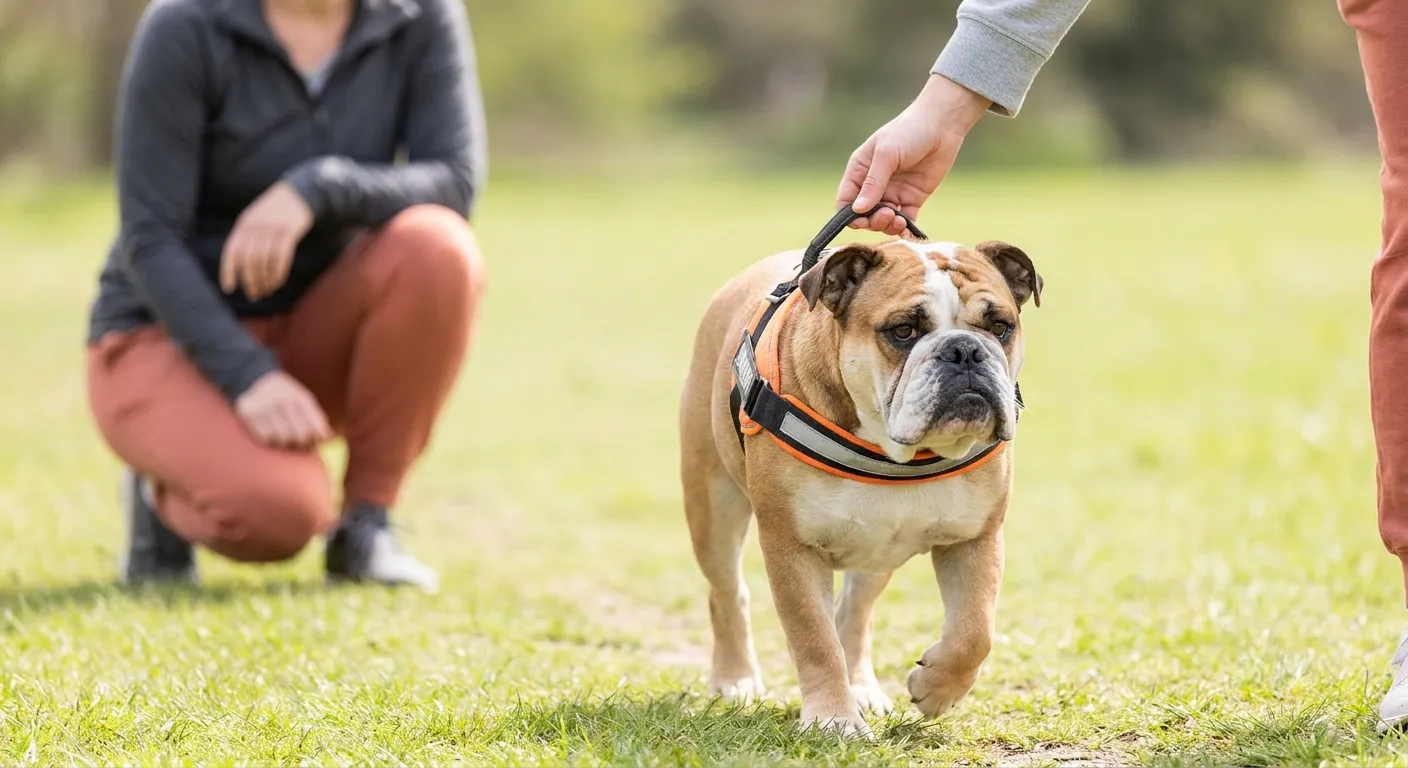
Avoid excessive jumping, running on hard surfaces, or prolonged stair climbing during puppyhood. Gentle, short walks on soft ground are ideal for healthy bulldog joints. It is also important to prevent rough play that could strain developing ligaments and joints. As your bulldog grows, gradually increase exercise duration and intensity, always monitoring for signs of fatigue or discomfort. Regular, moderate exercise helps strengthen the muscles supporting the joints, which is a key component of long-term joint integrity.
Weight Management: A Critical Factor
Maintaining an ideal weight is perhaps the most critical factor for bulldog joint health. Every extra pound puts undue stress on developing and aging joints. Obesity is a common concern for bulldogs and directly exacerbates joint issues, accelerating the progression of conditions like arthritis. This aligns with a holistic approach to pet wellness, integrating physical well-being. Regular weigh-ins and consultation with your veterinarian about appropriate portion sizes and caloric intake are essential. A healthy weight significantly reduces the burden on your bulldog’s skeletal system, promoting better mobility.
Proper Nutrition for Developing Joints
A high-quality diet formulated for large breeds or specific growth stages provides essential nutrients for bone and joint development. Consult your vet for age-appropriate feeding guidelines. Look for foods that include balanced calcium and phosphorus levels to support strong bones. Furthermore, some specialized diets contain ingredients like glucosamine and chondroitin, which can be beneficial. Providing a complete and balanced diet lays a strong foundation for lifelong joint functionality.
The Role of Diet and Supplements for Joint Support
As pet owners increasingly invest in longevity and preventive care, supplements for joint health are becoming a daily part of pet care. These can support cartilage health and reduce inflammation. Specifically, ingredients like glucosamine, chondroitin, and omega-3 fatty acids are commonly recommended for canine joint care. Glucosamine helps in the repair and formation of cartilage, while chondroitin sulfate prevents its breakdown. Omega-3 fatty acids, particularly EPA and DHA, possess anti-inflammatory properties that can alleviate joint discomfort. Always consult your veterinarian before introducing any supplements to ensure they are appropriate for your bulldog’s specific needs and don’t interact with other medications. Your vet can recommend the correct dosage and type of supplement for optimal canine joint support.
Advanced Care for Adult and Senior Bulldogs
As bulldogs age, their mobility care needs evolve. Adult and senior bulldogs often require more targeted interventions to maintain comfort and function. Regular veterinary check-ups become even more crucial during these life stages. These visits allow for early detection of degenerative joint disease and the implementation of appropriate management strategies. Moreover, senior bulldogs may benefit from specialized diets formulated for older dogs, which often contain higher levels of joint-supporting nutrients.
Therapeutic Interventions for Joint Pain
For bulldogs experiencing significant joint pain or advanced conditions, various therapeutic options are available. Non-steroidal anti-inflammatory drugs (NSAIDs) can effectively manage pain and inflammation. However, long-term use requires careful monitoring by a veterinarian due to potential side effects. Physical therapy, including hydrotherapy and massage, can also significantly improve muscle strength and range of motion. Acupuncture and laser therapy are alternative treatments that some owners find beneficial for relieving discomfort. In severe cases, surgical interventions may be necessary to correct structural abnormalities or repair damaged ligaments. Discussing these options with your vet is essential to create the best treatment plan for your bulldog’s joint health.
Creating a Joint-Friendly Environment
Modifying your home environment can greatly assist bulldogs with joint issues. Provide comfortable, orthopedic beds that support their joints and alleviate pressure points. Ramps or pet stairs can help them access elevated surfaces like couches or beds without straining their joints. Non-slip rugs or runners on hard floors can prevent slips and falls, which could exacerbate joint problems. Furthermore, consider elevated food and water bowls to reduce strain on their neck and front limbs. These simple adjustments can make a significant difference in your bulldog’s daily comfort and mobility.
Regular Veterinary Check-ups and Monitoring
Consistent veterinary care is paramount throughout your bulldog’s life. Regular check-ups allow your vet to monitor their joint health, assess their gait, and recommend preventive or therapeutic measures as needed. These appointments are opportunities to discuss any concerns you have about your bulldog’s mobility or behavior. Your veterinarian can perform physical examinations, and if necessary, recommend diagnostic imaging like X-rays to evaluate the condition of their joints. Early diagnosis and proactive management are key to preserving your bulldog’s quality of life.
Preventive Strategies for Optimal Bulldog Joint Health
Proactive prevention is always better than reactive treatment when it comes to joint issues. A multifaceted approach encompassing diet, exercise, and environmental considerations can significantly reduce the risk and severity of joint problems in bulldogs. Consistent application of these strategies from an early age will contribute to a lifetime of better mobility for your beloved companion.
Holistic Approaches to Joint Wellness
Beyond traditional veterinary care, a holistic approach can further support your bulldog’s joints. This might include incorporating certain herbs or supplements known for their anti-inflammatory properties, under veterinary guidance. For instance, turmeric or green-lipped mussel extract are sometimes used. Additionally, ensuring a stress-free environment can indirectly benefit joint health, as chronic stress can exacerbate inflammatory responses. Regular, gentle grooming, which includes checking paws and nails, also contributes to overall comfort and mobility. For playful bulldogs, consider durable chew toys to keep them entertained and active in a safe manner.
The Importance of Hydration
Adequate hydration is often overlooked but plays a crucial role in overall health, including joint health. Water helps maintain the viscosity of synovial fluid, which lubricates the joints and provides nutrients to cartilage. Ensure your bulldog always has access to fresh, clean water. Proper hydration supports the elasticity of tissues surrounding the joints, contributing to their resilience. A well-hydrated body functions more efficiently, and this extends to the health of their musculoskeletal system. This simple yet vital aspect of care supports overall wellness.
Conclusion: Prioritizing Your Bulldog’s Mobility
Ensuring excellent bulldog joint health requires a dedicated, proactive approach throughout their life. From managing their weight and providing appropriate nutrition to implementing controlled exercise and creating a joint-friendly home, every step contributes to their comfort and longevity. Common issues like hip dysplasia and arthritis are manageable with early detection and consistent care. Regular veterinary check-ups are indispensable for monitoring their condition and tailoring interventions. By prioritizing your bulldog’s mobility, you are investing in their happiness and quality of life. Remember, a healthy bulldog is a happy bulldog. For more insights into canine care, explore our Blog.
American Kennel Club (AKC): Learn more about the Bulldog breed.
Washington State University College of Veterinary Medicine: Information on Hip Dysplasia.
FAQ: Frequently Asked Questions About Bulldog Joint Care
What are the most common joint problems in bulldogs?
Bulldogs are often prone to hip and elbow dysplasia, patella luxation, and various spinal abnormalities. Arthritis is also a very common concern, particularly as they age. Understanding these predispositions helps owners provide better preventive care.
How can I tell if my bulldog is experiencing joint pain?
Signs of joint discomfort include limping, difficulty getting up or lying down, reluctance to jump or use stairs, and a decrease in overall activity. They might also show sensitivity when touched around their joints. Any changes in their usual movement warrant a vet visit.
What role does diet play in supporting my bulldog’s joints?
A high-quality diet provides essential nutrients for bone and cartilage development. Maintaining an ideal weight through proper nutrition is also crucial, as obesity puts extra strain on their joints. Some diets include beneficial ingredients like glucosamine.
Are joint supplements necessary for all bulldogs?
While not all bulldogs require supplements, many can benefit, especially those with a predisposition to joint issues or those in their senior years. Common supplements include glucosamine, chondroitin, and omega-3 fatty acids. Always consult your veterinarian before starting any supplement regimen.
What kind of exercise is best for a bulldog with joint concerns?
Gentle, controlled exercise on soft surfaces is best. Short walks, swimming (if they enjoy it and are supervised), and mild play are preferable. Avoid high-impact activities, excessive jumping, or prolonged stair climbing, especially in younger and older dogs. Regular, moderate activity helps maintain muscle strength.