Bulldogs are undeniably charming, but their distinctive appearance comes with significant health considerations, particularly concerning their respiratory system. Brachycephalic Obstructive Airway Syndrome (BOAS) is a pervasive challenge for the breed, directly impacting their quality of life. This deep dive into managing bulldog BOAS explores the condition, its impact, and the proactive strategies owners can employ. With increased owner awareness leading to a decline in English Bulldog breeding in the U.S. due to health concerns, understanding and addressing BOAS is crucial for responsible ownership.
Understanding BOAS: The Breed’s Defining Challenge
BOAS is a collection of anatomical abnormalities common in brachycephalic (short-nosed) breeds, including bulldogs. These abnormalities can include stenotic nares (narrow nostrils), an elongated soft palate, everted laryngeal saccules, and a hypoplastic trachea (narrow windpipe). Together, these features obstruct airflow, making breathing difficult. Symptoms range from noisy breathing, snoring, and snorting to severe respiratory distress, especially in warm weather or during exercise. The growing trend of online information seeking means many owners research symptoms; however, a professional diagnosis is always necessary.
The Anatomy of Obstruction
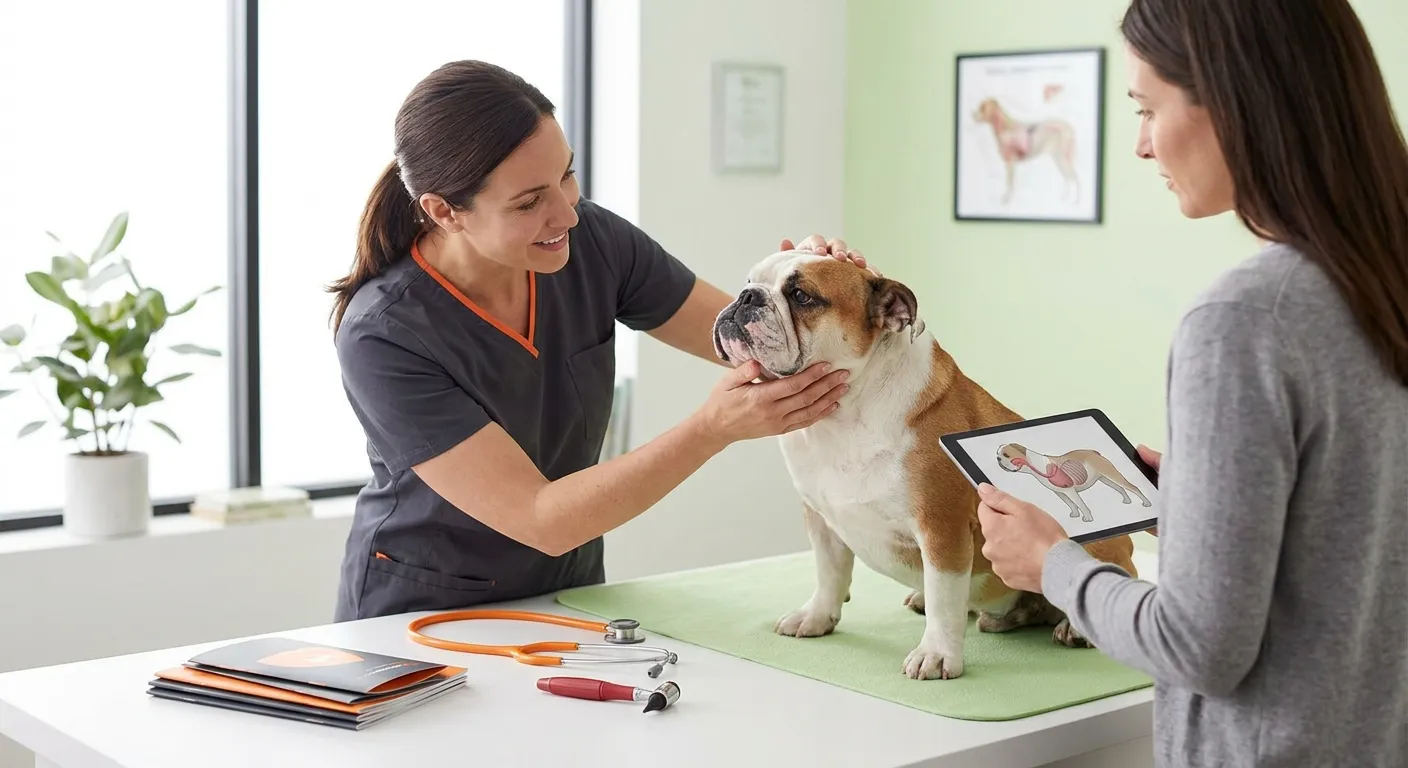
To truly understand the challenges faced by bulldogs, it helps to visualize the specific anatomical issues. Stenotic nares, for instance, are essentially nostrils that are too narrow, restricting the initial intake of air. Furthermore, the elongated soft palate extends too far back into the throat, potentially blocking the entrance to the trachea. Everted laryngeal saccules are small pouches of tissue that turn outwards into the airway, adding to the obstruction. Finally, a hypoplastic trachea means the windpipe itself is narrower than it should be, reducing the overall capacity for air. Each of these components contributes to the difficulty in breathing.
Recognizing the Symptoms Early
Early recognition of BOAS symptoms is vital for timely intervention. Owners should be vigilant for signs such as loud breathing, particularly during rest or sleep, and an increased respiratory rate. Snoring is common in bulldogs, yet excessive or unusually loud snoring can indicate a problem. Exercise intolerance, blue gums (cyanosis), and even fainting spells are severe indicators requiring immediate veterinary attention. Notably, these symptoms often worsen with excitement, stress, or high temperatures. Understanding these signs is the first step toward effective care for your bulldog’s respiratory health.
Non-Surgical Management: Lifestyle Adjustments for Relief
While BOAS is structural, many non-surgical strategies can significantly improve a bulldog’s comfort and reduce the severity of symptoms:
- Weight Management: Maintaining a lean body weight is perhaps the most critical factor. Excess weight puts additional strain on the respiratory system, exacerbating BOAS symptoms. A balanced diet and controlled portions are essential.
- Environmental Control: Keep your bulldog cool in warm weather. Avoid strenuous exercise during the hottest parts of the day and provide access to air conditioning. Use a harness instead of a collar to avoid putting pressure on the trachea.
- Stress Reduction: Stress and excitement can trigger respiratory distress. Keep your bulldog calm and provide a quiet, comfortable environment.
- Dietary Considerations: Some bulldogs benefit from smaller, more frequent meals to prevent regurgitation and reduce pressure on the diaphragm.
These proactive measures align with the holistic approach to pet wellness, focusing on preventive care and early intervention. Indeed, these adjustments can make a profound difference in the daily comfort of affected dogs.
The Role of Diet and Exercise
Proper nutrition and controlled exercise are foundational for bulldogs with BOAS. A high-quality diet, specifically formulated for brachycephalic breeds or for weight management, can help maintain an ideal body condition. Moreover, feeding smaller, more frequent meals can prevent stomach distension, which might otherwise press on the diaphragm and further restrict breathing. Regarding exercise, short, gentle walks during cooler parts of the day are preferable to intense activity. Furthermore, always monitor your bulldog for any signs of labored breathing during exercise, stopping immediately if distress occurs. This careful approach helps in managing bulldog BOAS effectively.
Choosing the Right Equipment
The type of equipment you use for walks also matters significantly. A harness is strongly recommended over a traditional collar for any bulldog, especially those with BOAS. Collars can put direct pressure on the trachea and larynx, exacerbating breathing difficulties. Conversely, a well-fitting harness distributes pressure across the chest and shoulders, allowing for unobstructed breathing. When considering ID tags and GPS trackers, ensure they are attached to the harness, not a collar. Similarly, for safety, exploring options like safety vests can also be beneficial, ensuring they do not impede breathing.
Surgical Interventions: When and What to Expect
For many bulldogs with moderate to severe BOAS, surgical correction is the most effective treatment. Common surgical procedures include:
- Stenotic Nares Correction: Widening the nostrils to improve airflow.
- Elongated Soft Palate Resection: Trimming the soft palate to prevent it from obstructing the airway.
- Everted Laryngeal Saccule Removal: Removing small sacs of tissue that can flip into the airway.
These surgeries are typically performed by a board-certified veterinary surgeon. The decision for surgery is often made after a thorough examination and diagnostic tests, which may include radiographs or endoscopy. Early intervention, ideally before chronic changes in the airway develop, generally leads to better outcomes. However, even older bulldogs can benefit significantly from these procedures. Post-operative care involves close monitoring and pain management to ensure a smooth recovery. While surgery offers substantial relief, continued non-surgical management remains important.
Preparing for Surgery
If surgery is recommended for your bulldog, proper preparation is essential. Your veterinarian will provide specific instructions, which may include fasting before the procedure and administering any prescribed medications. It is also wise to prepare your home for your bulldog’s recovery, ensuring a quiet and comfortable space. Discuss all your concerns and questions with your veterinary team beforehand. Understanding the procedure and potential risks will help you feel more confident about this important step in managing bulldog BOAS. Furthermore, many owners find peace of mind by thoroughly researching the procedure.
Post-Operative Care and Recovery
The recovery period following BOAS surgery is crucial for long-term success. Your bulldog will likely need to stay at the veterinary clinic for a day or two for close monitoring. Upon returning home, restrict activity and follow all medication instructions carefully. Pain management is paramount, as is ensuring your bulldog remains calm and stress-free. Monitor for any signs of complications, such as excessive swelling, difficulty breathing, or changes in appetite. Regular follow-up appointments with your veterinarian are necessary to assess healing and overall progress. This diligent post-operative care is vital for successful outcomes.
Long-Term Outlook and Prevention
With appropriate management, bulldogs with BOAS can lead significantly improved lives. Early diagnosis and intervention, whether through lifestyle changes or surgery, are key. Moreover, responsible breeding practices are crucial for reducing the prevalence of severe BOAS in future generations. Prospective bulldog owners should research breeders carefully, prioritizing those who screen for BOAS and prioritize health over exaggerated physical features. Organizations like the American Kennel Club provide breed standards and resources for responsible ownership. Educating yourself about the condition and advocating for your bulldog’s health are the best ways to ensure a happy, comfortable life for your beloved companion.
Ongoing Care and Monitoring
Even after successful surgical intervention, ongoing care and monitoring are essential for bulldogs with BOAS. Regular veterinary check-ups allow for early detection of any recurring issues or new concerns. Continue to implement all recommended non-surgical management strategies, such as weight control and environmental modifications. Pay close attention to your bulldog’s breathing patterns, especially during exercise or in warm weather. Any changes should prompt a call to your veterinarian. This proactive approach ensures consistent well-being and helps in continually managing bulldog BOAS. Furthermore, maintaining a healthy lifestyle contributes significantly to their longevity.
The Importance of Breed Awareness
The health challenges associated with brachycephalic breeds highlight the importance of breed awareness. Owners, potential owners, and breeders all play a role in promoting healthier bulldogs. Supporting responsible breeders who prioritize health screenings and genetic diversity is vital. Additionally, educating the public about BOAS and its implications can help reduce demand for dogs with extreme brachycephalic features. Resources from veterinary organizations, such as the American Veterinary Medical Association, offer valuable information. By working together, we can improve the health and welfare of bulldogs worldwide.
Conclusion
Managing bulldog BOAS is a comprehensive effort that combines diligent owner care, veterinary expertise, and, often, surgical intervention. While the condition presents significant challenges, understanding its complexities and implementing proactive strategies can dramatically improve a bulldog’s quality of life. From maintaining an ideal weight and controlling environmental factors to considering surgical corrections, every step contributes to ensuring your beloved companion can breathe easier and live a happier, healthier life. Ultimately, responsible ownership means being informed and committed to addressing the unique needs of this wonderful breed.
FAQ
How can I tell if my bulldog has breathing problems?
Observe your bulldog for noisy breathing, especially during rest or sleep, and excessive snoring. Exercise intolerance, gagging, or blue gums are also serious indicators. If you notice any of these signs, consult your veterinarian promptly for a diagnosis.
Is surgery always necessary for respiratory issues in bulldogs?
Not always. Mild cases of brachycephalic airway syndrome can often be managed with lifestyle adjustments like weight control, avoiding heat, and using a harness. However, moderate to severe cases usually benefit significantly from surgical correction to improve airflow.
What lifestyle changes help improve a bulldog’s breathing?
Key lifestyle changes include maintaining a healthy weight, keeping your bulldog cool in warm weather, using a harness instead of a collar, and minimizing stress. Feeding smaller, more frequent meals can also be beneficial for their comfort.
What is the recovery like after BOAS surgery?
Recovery typically involves a short stay at the vet for monitoring, followed by restricted activity at home. Pain medication will be prescribed, and careful observation for complications is necessary. Follow-up appointments are crucial to ensure proper healing and long-term success.
Can diet impact a bulldog’s respiratory health?
Yes, diet plays a role. Maintaining an ideal body weight through a balanced diet is critical, as excess weight exacerbates breathing difficulties. Some bulldogs also benefit from smaller, more frequent meals to reduce pressure on the diaphragm and aid digestion.