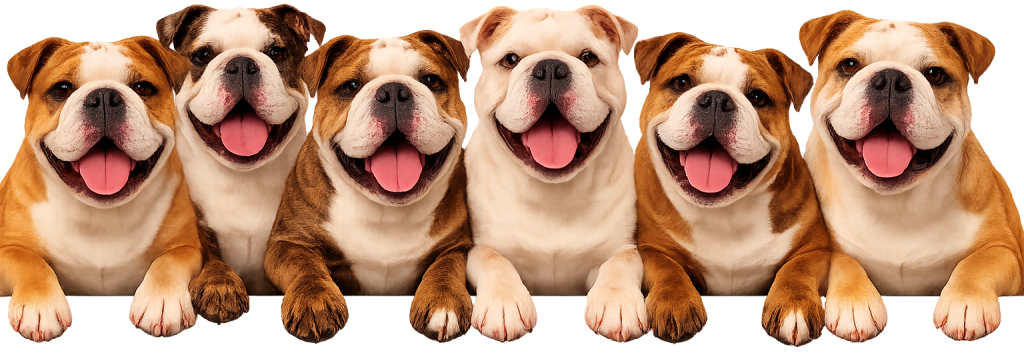
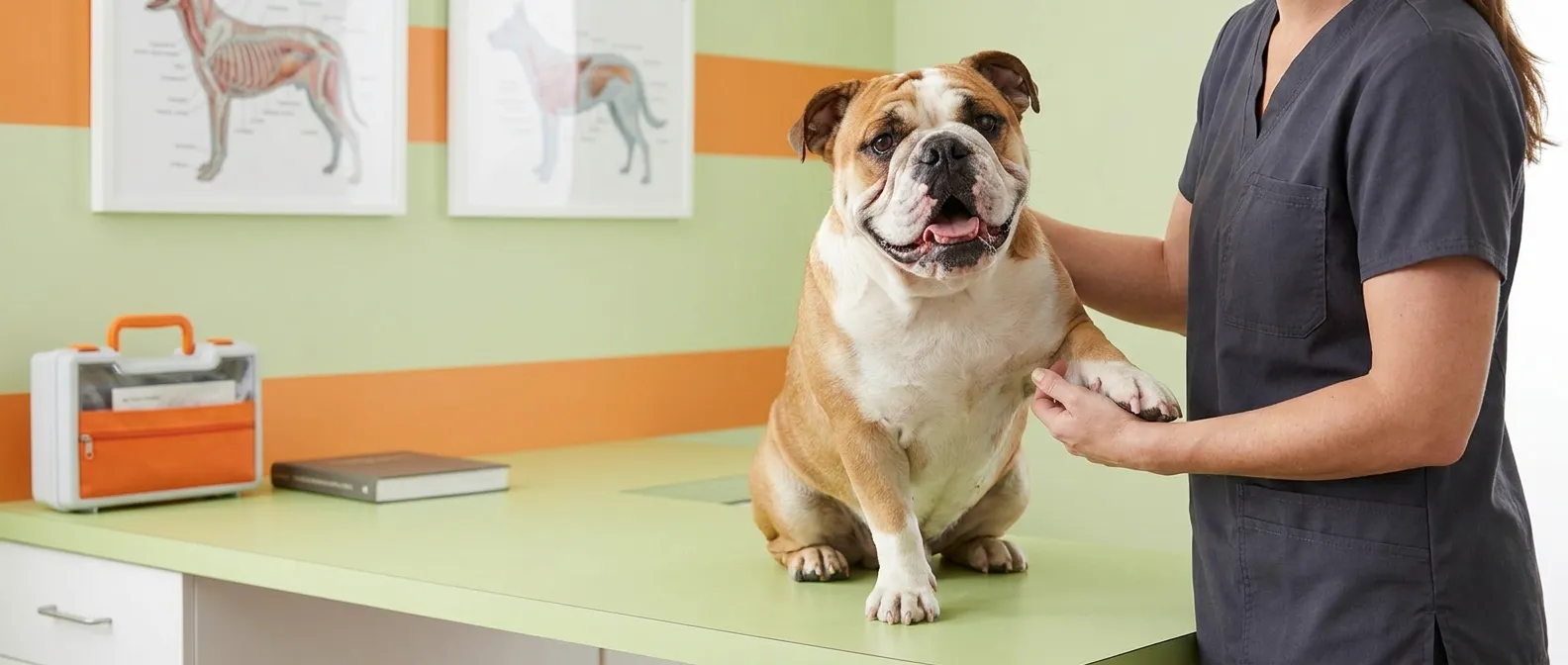
Bulldogs are beloved for their distinctive appearance and gentle demeanor, but their unique physical characteristics also predispose them to certain health challenges. Understanding common Bulldog health issues is essential for proactive care and ensuring a long, happy life for your pet. Being informed allows owners to recognize symptoms early, seek veterinary attention promptly, and implement preventative measures to mitigate risks. Therefore, diligent observation and regular veterinary check-ups are paramount for these special companions.
Understanding Bulldog Anatomy and Health Vulnerabilities
Bulldogs possess a unique build, characterized by their brachycephalic (short-nosed) skull, broad shoulders, and compact body. These specific anatomical features, while endearing, unfortunately contribute to several breed-specific health concerns. For instance, their flattened faces impact their respiratory system significantly. Similarly, their heavy-set structure can put considerable strain on their joints. Furthermore, their distinctive skin folds, a hallmark of the breed, can also create environments ripe for skin problems. Consequently, owners must be aware of these predispositions to provide the best possible care.
Respiratory Challenges: Brachycephalic Obstructive Airway Syndrome (BOAS)
One of the most prevalent concerns for Bulldogs is Brachycephalic Obstructive Airway Syndrome (BOAS). This condition is directly related to their short snouts and compressed upper airways. Symptoms typically include noisy breathing, snoring, and snorting. Moreover, affected dogs may experience difficulty exercising and, in severe cases, even collapse, especially in hot weather. Owners should always monitor their Bulldog’s breathing patterns. If symptoms worsen or appear severe, consulting a veterinarian without delay is crucial. Surgical interventions are sometimes recommended to improve airflow and enhance the dog’s quality of life. In fact, early diagnosis can often prevent more serious complications.
Joint and Orthopedic Concerns
Another significant area of concern involves joint issues, particularly hip and elbow dysplasia. These conditions are common due to their heavy build and bone structure. Dysplasia refers to the abnormal development of joints, leading to pain and arthritis. Regular, gentle exercise is crucial for maintaining muscle strength and joint flexibility. Additionally, maintaining a healthy weight is a critical preventative step, as excess weight places additional stress on vulnerable joints. Supplements like glucosamine and chondroitin can sometimes be recommended by a vet. For more information on keeping your Bulldog active and healthy, consider exploring different interactive toys that encourage gentle movement.
Eye Conditions Specific to Bulldogs
Bulldogs are also prone to various eye conditions. One common issue is ‘cherry eye,’ which is a prolapsed gland of the third eyelid. This condition appears as a red, swollen mass in the inner corner of the eye. Another frequent problem is entropion, where the eyelids roll inward, causing eyelashes to rub against the cornea. These conditions can cause significant irritation, pain, and potentially lead to more serious eye damage if left untreated. Therefore, prompt veterinary intervention is often required. Regular cleaning around the eyes can help prevent some minor irritations, but professional medical attention is necessary for these specific ailments. Early detection is key to successful treatment and preventing chronic discomfort for your pet.
Skin Fold Dermatitis and Other Skin Issues
While skin fold dermatitis has been covered in depth elsewhere, it is certainly part of the broader skin health that Bulldogs require attention for. Their characteristic wrinkles, while adorable, can trap moisture, dirt, and bacteria, leading to infections. Regular cleaning and drying of these folds are essential preventative measures. Furthermore, Bulldogs can suffer from allergies, which manifest as itchy skin, redness, and hair loss. Identifying and managing allergens, often with veterinary guidance, is important. In addition, bacterial and yeast infections are not uncommon. These often require specific topical or oral medications. For example, a good grooming routine is vital for preventing many Bulldog skin issues. Always consult your vet if you notice persistent skin irritation or unusual odors coming from your Bulldog’s folds.
Dental Health and Oral Care
Dental health is another aspect that often requires special attention for Bulldogs. Their unique jaw structure can predispose them to dental overcrowding and misalignment, which can lead to plaque and tartar buildup. Consequently, this increases the risk of gum disease and tooth decay. Regular dental check-ups and professional cleanings are just as important for dogs as they are for humans. Furthermore, daily brushing with a dog-specific toothbrush and toothpaste can significantly improve oral hygiene. Chew toys designed for dental health can also be beneficial in reducing tartar. Neglecting dental care can lead to painful infections and even impact overall health, as bacteria from the mouth can enter the bloodstream. Thus, proactive dental care is a crucial component of managing common Bulldog health issues.
Heat Sensitivity and Exercise Precautions
Due to their brachycephalic nature, Bulldogs are highly susceptible to overheating. Their short snouts make it difficult for them to cool themselves effectively through panting. As a result, even moderate temperatures can pose a risk of heatstroke. Owners must take extreme precautions during warmer weather. This includes avoiding strenuous exercise during the hottest parts of the day and always providing access to shade and fresh water. Furthermore, never leave a Bulldog unattended in a car, even on seemingly mild days. Symptoms of heatstroke include excessive panting, drooling, weakness, and collapse. In such cases, immediate veterinary attention is critical. Understanding these limitations is vital for preventing serious health crises. For safety during walks, consider using safety vests that offer breathability and visibility.
Allergies and Digestive Sensitivities
Bulldogs are often prone to various allergies, both environmental and food-related. Environmental allergies can cause itchy skin, ear infections, and respiratory symptoms. Food allergies, on the other hand, often manifest as gastrointestinal upset, skin issues, or chronic ear problems. Identifying the specific allergens can be a challenging process, often requiring elimination diets or allergy testing supervised by a veterinarian. Once identified, managing exposure to environmental allergens and selecting appropriate hypoallergenic diets are crucial. Moreover, some Bulldogs may have sensitive digestive systems, making them prone to issues like colitis or inflammatory bowel disease. Consequently, a high-quality, easily digestible diet is often recommended. Discussing your Bulldog’s dietary needs with your vet can help prevent many digestive common Bulldog health issues.
Cardiac Health Considerations
While not as commonly discussed as respiratory or joint issues, cardiac health is also an important area for Bulldogs. Some individuals may be predisposed to certain heart conditions, such as pulmonic stenosis, which is a narrowing of the valve leading from the heart to the lungs. Regular veterinary check-ups, especially as your Bulldog ages, should include listening for heart murmurs. Early detection of heart conditions allows for timely management and can significantly improve your dog’s prognosis. Furthermore, maintaining a healthy weight and providing appropriate exercise can support overall cardiovascular health. Your vet might recommend specific diagnostic tests, such as an echocardiogram, if a heart murmur is detected. These proactive steps are part of comprehensive care for common Bulldog health issues.
Urinary Tract Issues
Urinary tract infections (UTIs) can occur in Bulldogs, just like in any other breed. However, their physical structure might sometimes make them slightly more prone or make symptoms harder to spot. Symptoms of a UTI can include frequent urination, straining to urinate, blood in the urine, or licking at the genital area. If you notice any of these signs, it’s important to consult your veterinarian. Untreated UTIs can lead to more serious kidney infections. Ensuring your Bulldog has constant access to fresh water and regular opportunities to relieve themselves can help promote urinary tract health. Furthermore, proper hygiene around the genital area, especially for females, can reduce the risk of infection. Addressing these concerns contributes to overall well-being.
Preventative Care and Early Detection
Regular veterinary check-ups are vital for early detection and management of these and other potential common Bulldog health issues. Your veterinarian is your best partner in navigating these challenges. They can provide tailored advice, conduct necessary screenings, and develop a preventative health plan specific to your Bulldog’s needs. Furthermore, maintaining a detailed health record for your pet can be incredibly helpful for tracking symptoms and treatments. Owners play a crucial role through daily observation of their dog’s behavior, appetite, and activity levels. Any subtle changes could be an early indicator of a developing health problem. For instance, a sudden decrease in energy or a change in eating habits should prompt a call to your vet. This proactive approach is key to ensuring a happy and healthy life for your beloved Bulldog.
The Importance of Diet and Nutrition
A balanced and appropriate diet is fundamental to preventing and managing many common Bulldog health issues. High-quality food provides the necessary nutrients for strong bones, healthy skin, and a robust immune system. Discuss specific dietary needs and potential sensitivities with your vet. Some Bulldogs may benefit from specialized diets designed for sensitive stomachs or those prone to allergies. Moreover, portion control is essential to prevent obesity, which exacerbates joint problems and heat sensitivity. Providing a diet rich in essential fatty acids can also improve skin and coat health. Investing in good nutrition is a direct investment in your Bulldog’s long-term health and vitality. For example, avoiding table scraps can prevent many digestive upsets.
Regular Exercise and Weight Management
Appropriate exercise is crucial for Bulldogs, but it must be managed carefully due to their respiratory limitations and joint predispositions. Short, gentle walks are generally preferred over strenuous activities. Avoid exercising during hot weather. Maintaining an ideal weight is perhaps one of the most impactful preventative measures an owner can take. Obesity puts immense strain on joints, worsens respiratory issues, and increases the risk of other health problems. Regular weigh-ins and adjusting food intake as needed are important. Your vet can help you determine the ideal weight range for your specific Bulldog. Furthermore, incorporating mental stimulation through puzzle toys can also contribute to overall well-being without overexerting them physically. This balanced approach to activity and diet is vital.
Conclusion
Bulldogs bring immense joy to their owners, and understanding their specific health needs is a testament to responsible pet ownership. While they are prone to several common Bulldog health issues, proactive care, regular veterinary check-ups, and a keen eye for early symptoms can make a significant difference. From managing BOAS to addressing joint and skin concerns, being informed empowers owners to provide the best possible environment for their beloved companions. By working closely with your veterinarian and implementing preventative strategies, you can help ensure your Bulldog enjoys a comfortable, happy, and fulfilling life. Prioritizing their health means cherishing every moment with these wonderful dogs.
Frequently Asked Questions About Bulldog Health
What are the most common health problems in Bulldogs?
Bulldogs frequently experience Brachycephalic Obstructive Airway Syndrome (BOAS), which affects their breathing. They are also prone to joint issues like hip and elbow dysplasia, various eye conditions such as cherry eye, and skin fold dermatitis. Additionally, dental problems and heat sensitivity are notable concerns for the breed.
How can I prevent my Bulldog from developing breathing difficulties?
While some breathing issues are genetic, you can help manage them by keeping your Bulldog at a healthy weight, avoiding strenuous exercise, especially in warm weather, and ensuring they stay cool. Regular veterinary check-ups can also help monitor their respiratory health and detect problems early.
What should I do if my Bulldog shows signs of joint pain?
If your Bulldog exhibits signs of joint pain, such as limping, difficulty getting up, or reluctance to move, you should consult your veterinarian promptly. They can diagnose the cause and recommend appropriate treatments, which might include pain medication, supplements, or physical therapy. Maintaining a healthy weight is also crucial.
Are skin issues common for Bulldogs?
Yes, skin issues are very common in Bulldogs, primarily due to their characteristic skin folds. These folds can trap moisture and bacteria, leading to infections like skin fold dermatitis. Regular cleaning and drying of these areas are essential. Allergies can also cause various skin problems, necessitating veterinary diagnosis and management.
How often should my Bulldog visit the vet?
Generally, adult Bulldogs should have a veterinary check-up at least once a year. Puppies and senior Bulldogs, or those with existing health conditions, may require more frequent visits. Regular check-ups are vital for early detection of potential health concerns and for maintaining their overall well-being. For example, your vet can identify early signs of heart conditions.