Owning a high maintenance bulldog can feel rewarding and exhausting at the same time. Bulldogs are affectionate companions, but they often require more attention than many people expect. Their skin folds need cleaning, their diet requires monitoring, and their exercise routines demand careful balance. Additionally, many bulldogs develop emotional dependency, which can make daily care even more time-consuming.
A high maintenance bulldog usually thrives on consistency and structure.
Without an organized routine, owners may quickly feel overwhelmed by feeding schedules, grooming sessions, training needs, vet visits, and behavioral management. Fortunately, effective time management can make bulldog care far less stressful.
Small daily habits often create the biggest improvements.
Instead of trying to manage everything perfectly, owners benefit more from simple systems that reduce chaos and improve consistency. With realistic planning, bulldog care becomes more manageable while still supporting the dog’s physical and emotional health.
Why Bulldogs Often Require Extra Attention
Bulldogs differ from many other breeds because they have unique physical and emotional needs.
Their facial wrinkles require regular cleaning to prevent infections. Additionally, many bulldogs struggle with allergies, skin irritation, breathing difficulties, and digestive sensitivity. These issues often require extra monitoring throughout the week.
A high maintenance bulldog may also become emotionally demanding.
Some bulldogs dislike being left alone for long periods and may develop clingy or anxious behaviors without enough interaction. Furthermore, stubborn personalities sometimes make training and routines more challenging.
Many owners underestimate how much daily structure bulldogs need.
However, once routines become organized, caring for them usually feels easier and less emotionally draining.
Create a Consistent Daily Routine
Consistency saves time.
When bulldogs follow predictable routines, they generally behave better and require less constant supervision. Feeding times, bathroom breaks, walks, grooming sessions, and bedtime schedules should happen around the same time daily whenever possible.
A high maintenance bulldog often feels calmer when life becomes predictable.
Routine reduces anxiety while helping owners stay organized mentally. Additionally, dogs learn faster when expectations remain consistent.
Morning routines work especially well when kept simple.
For example, owners may combine feeding, wrinkle cleaning, short walks, and medication into one structured block of time instead of handling tasks randomly throughout the day.
Small routines reduce mental fatigue significantly over time.
Use Time Blocks for Bulldog Care Tasks
Many owners feel overwhelmed because care responsibilities feel constant.
Time blocking helps separate tasks into manageable sections. Instead of thinking about bulldog care all day, owners can assign specific care periods throughout the morning and evening.
A high maintenance bulldog benefits from focused care rather than inconsistent attention.
For example:
- Morning: feeding, wrinkle cleaning, short walk
- Afternoon: bathroom break and play session
- Evening: training, brushing, relaxation, bedtime routine
This approach prevents bulldog care from interrupting every part of the day unnecessarily.
Structured schedules also reduce forgotten tasks.
Simplify Grooming Whenever Possible
Bulldogs require regular grooming despite their short coats.
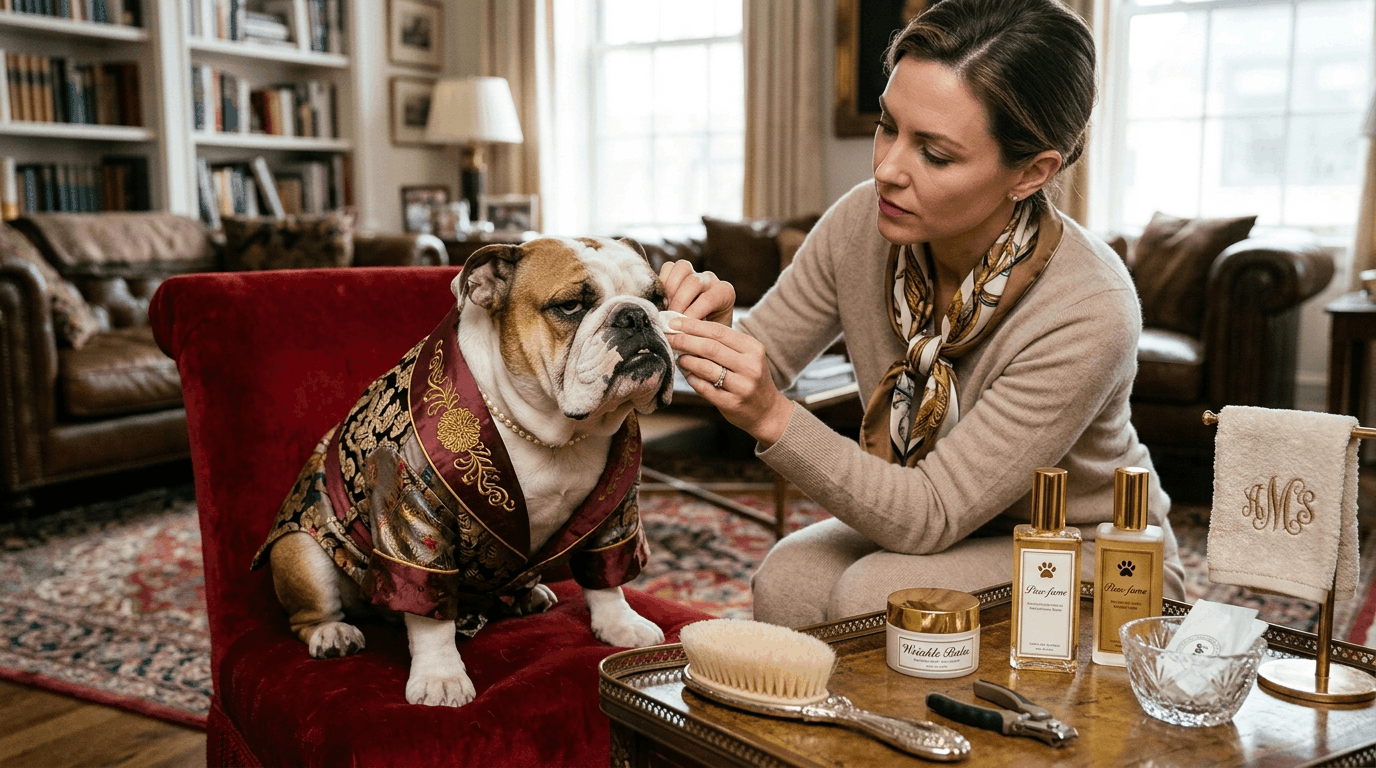
Wrinkle cleaning, ear care, nail trimming, and brushing often become time-consuming when owners lack organization. However, creating a simple grooming station saves significant time.
A high maintenance bulldog usually needs wrinkle checks several times weekly.
Keeping wipes, drying cloths, brushes, nail tools, and grooming products together makes routines faster and less stressful.
Short grooming sessions work best.
Instead of waiting until problems become severe, small maintenance sessions prevent larger complications later. Additionally, bulldogs usually cooperate more during brief calm grooming periods.
Consistency prevents infections, irritation, and unnecessary vet visits.
Meal Preparation Can Save Hours Weekly
Feeding routines become easier with preparation.
Many bulldog owners waste time measuring meals repeatedly or making last-minute food decisions. Preparing meals in advance simplifies daily care considerably.
A high maintenance bulldog often benefits from carefully portioned meals because weight gain creates additional health problems.
Pre-portioned containers help owners stay consistent while reducing feeding stress. Additionally, organized meal systems improve medication schedules when supplements or prescriptions are involved.
Healthy snacks should remain accessible too.
Prepared treat containers support faster training sessions and reduce overfeeding mistakes.
Use Mental Stimulation to Reduce Attention-Seeking Behavior
Bulldogs become demanding when bored.
Mental stimulation reduces destructive behavior, excessive barking, and clinginess. Additionally, mentally tired dogs often relax more calmly throughout the day.
A high maintenance bulldog usually needs more mental engagement than physical exercise.
Puzzle feeders, chew toys, scent games, and short training exercises provide excellent stimulation without exhausting the dog physically.
Mental enrichment also saves time indirectly.
Dogs that stay mentally balanced generally require less correction, supervision, and emotional management later.
Even ten minutes of focused enrichment may improve behavior significantly.
Train Small Behaviors Daily
Many owners avoid training because they believe sessions must feel long or intense.
However, brief daily practice often creates better long-term results. Bulldogs respond well to repetition and calm consistency.
A high maintenance bulldog becomes easier to manage when basic obedience improves.
Simple commands like sit, stay, leave it, and wait help reduce stress during feeding, grooming, vet visits, and walks.
Training should happen naturally throughout the day.
For example, asking for a sit before meals or requiring calm behavior before walks builds structure without adding separate training sessions constantly.
Short consistent lessons create lasting habits.
Prevent Health Problems Before They Start
Preventive care saves enormous amounts of time and stress.
Many bulldog health problems become difficult because owners react only after symptoms appear. Skin infections, ear irritation, obesity, and digestive issues often worsen gradually.
A high maintenance bulldog benefits greatly from preventative habits.
Regular wrinkle cleaning, balanced nutrition, hydration, exercise, and scheduled vet checkups help reduce emergencies significantly.
Owners should also monitor small changes carefully.
Catching irritation or discomfort early usually prevents more complicated treatment later. Additionally, preventative care often lowers long-term veterinary expenses.
Avoid Overcommitting Your Schedule
Bulldogs need consistency.
Owners with overloaded schedules often feel emotionally drained because bulldog care becomes rushed or inconsistent. Additionally, bulldogs sometimes react poorly to unpredictable routines.
A high maintenance bulldog requires realistic expectations from the owner.
Trying to balance excessive commitments alongside demanding pet care may increase stress quickly.
Simplifying unnecessary obligations helps create more balance at home. Furthermore, realistic planning supports healthier emotional energy for both the dog and owner.
Quality care matters more than perfection.
Use Helpful Products That Save Time
Smart products improve efficiency.
Automatic water fountains, slow feeders, orthopedic beds, grooming wipes, storage containers, and puzzle toys can simplify bulldog care considerably.
A high maintenance bulldog often benefits from supportive equipment that reduces physical strain and maintenance work.
For example, elevated feeding stations may improve comfort during meals. Additionally, washable bedding reduces cleaning stress significantly.
Owners should prioritize quality products over trendy items.
Reliable products usually save more time and money long term.
Build Independent Behavior Gradually
Some bulldogs become overly dependent emotionally.
Dogs that constantly demand attention may increase owner exhaustion quickly. Additionally, emotional dependency sometimes leads to separation anxiety.
A high maintenance bulldog should learn healthy independence gradually.
Owners can encourage calm solo time through puzzle toys, separate resting areas, and short independent periods throughout the day.
Teaching independence helps bulldogs feel more emotionally balanced while reducing constant supervision needs.
Calm confidence develops slowly through consistency.
Exercise Smarter, Not Harder
Bulldogs still need exercise despite their relaxed image.
However, bulldogs overheat easily and may struggle with intense activity. Balanced exercise works far better than exhausting workouts.
A high maintenance bulldog usually benefits from shorter structured walks rather than long physically demanding sessions.
Mental exercise also matters greatly.
Sniffing walks, gentle games, and training activities often tire bulldogs effectively without overloading their bodies.
Exercise should support health rather than create exhaustion.
Keep Your Home Organized for Faster Care
Organization reduces stress immediately.
Keeping bulldog supplies scattered around the house wastes valuable time daily. Additionally, disorganized spaces often increase frustration during busy moments.
A high maintenance bulldog becomes easier to manage when supplies remain accessible.
Owners should organize:
- Medications
- Grooming products
- Feeding tools
- Leashes
- Waste bags
- Towels
- Cleaning wipes
- Treats
Simple systems prevent unnecessary chaos.
Take Care of Yourself Too
Owner burnout happens frequently.
Many people focus entirely on their bulldog while ignoring their own stress levels. However, exhausted owners usually struggle with consistency and patience over time.
A high maintenance bulldog requires care from someone emotionally balanced and realistic.
Self-care supports better decision-making, stronger patience, and healthier routines overall.
Even short breaks matter.
Asking family members for help occasionally or using dog daycare services sometimes provides needed relief without harming the dog’s emotional stability.
Why Patience Makes Everything Easier
Bulldogs often progress slowly.
Some owners become frustrated when routines, training, or behavior improvements take time. However, bulldogs respond best to calm steady leadership rather than pressure.
A high maintenance bulldog usually improves through consistency instead of intensity.
Small improvements matter greatly.
Owners who stay patient often notice major changes over several months rather than several days. Additionally, emotional consistency helps bulldogs feel safer and more cooperative overall.
Caring for a high maintenance bulldog can feel demanding initially, especially for owners balancing work, family responsibilities, and personal stress. However, bulldog care becomes far more manageable once routines become organized and realistic. Small systems, preventative care, daily structure, and calm consistency reduce emotional overwhelm significantly over time. Bulldogs thrive when owners create predictable habits that support physical health and emotional balance. Additionally, mentally stimulated bulldogs usually behave better and require less constant correction throughout the day. Time management does not mean rushing through care. Instead, it means simplifying routines so both owner and dog experience less stress overall. A realistic approach helps owners stay patient while building a healthier long-term relationship with their bulldog. With proper planning, even the most demanding bulldog routines can become calm, efficient, and sustainable.
FAQ
1. Why do bulldogs require so much daily care?
Bulldogs often need extra attention because of skin folds, health sensitivities, grooming needs, and emotional attachment.
2. How can owners reduce stress while caring for bulldogs?
Simple routines, organized schedules, and preventative care help reduce daily stress significantly.
3. What is the best exercise routine for bulldogs?
Short walks, mental stimulation, and moderate activity usually work best for bulldog health and comfort.
4. Can bulldogs become too emotionally dependent?
Yes, some bulldogs develop clingy behavior without healthy independence training and structured alone time.
5. How often should bulldog wrinkles be cleaned?
Most bulldogs benefit from wrinkle cleaning several times weekly, although some may require daily care.