Living with a bulldog can be incredibly rewarding, but it can also come with unique challenges. One of the most common struggles owners face is dealing with strong-willed behavior that seems difficult to manage. If you want to live with stubborn bulldog tendencies without constant frustration, the key lies in understanding the breed and adjusting your approach. Bulldogs are not trying to be difficult on purpose, but their personality requires patience, structure, and a different mindset.
When you learn how to live with stubborn bulldog traits effectively, your daily routine becomes smoother and more enjoyable. Instead of fighting against your dog’s nature, you begin to work with it. This shift makes a significant difference in reducing stress while improving your bond.
Understanding The Bulldog Mindset
To live with stubborn bulldog behavior successfully, you first need to understand why it happens. Bulldogs are independent and often think for themselves rather than following commands automatically. This independence can appear as resistance, especially when they do not see a reason to comply.
In addition, bulldogs tend to conserve energy. They prefer comfort and calm activities, which means they may ignore commands that require effort. This behavior is not defiance but a natural tendency that influences how they respond.
Furthermore, bulldogs can be very routine-oriented. When something disrupts their привычный flow, they may resist or hesitate. By recognizing these traits, you can approach training and daily care with more realistic expectations.
Adjust Your Expectations Early
One of the biggest sources of stress comes from expecting bulldogs to behave like highly obedient breeds. However, to live with stubborn bulldog behavior comfortably, you need to set expectations that match their personality.
Instead of aiming for perfect obedience, focus on consistent and practical behavior. For example, it is more important that your dog responds reliably in everyday situations than performing complex commands.
In addition, celebrate small wins. When your dog responds correctly, even in a simple way, it is progress. Over time, these small successes build better habits.
By adjusting your expectations, you reduce frustration and create a more positive experience.
Create A Consistent Daily Routine
Routine is one of the most effective ways to live with stubborn bulldog tendencies without stress. Bulldogs respond well to predictable schedules because it reduces uncertainty.
Feed your dog at the same times each day. Schedule walks and rest periods consistently. This repetition helps your dog understand what to expect and when to cooperate.
In addition, routines make your life easier. When tasks become automatic, you spend less time thinking about what to do next.
Consistency builds trust, which is essential for improving behavior.
Use Motivation Instead Of Force
If you want to live with stubborn bulldog behavior successfully, focus on motivation rather than force. Bulldogs respond much better to rewards than pressure.
Use treats, praise, or toys to encourage cooperation. When your dog sees a benefit, it becomes more willing to participate. This approach turns training into a positive experience.
In addition, timing matters. Reward your dog immediately after the desired behavior to reinforce the connection.
By using motivation, you create a system that encourages cooperation naturally.
Keep Training Short And Engaging
Long training sessions often lead to boredom, which increases stubborn behavior. Instead, keep sessions short and engaging to maintain your dog’s interest.
Spend a few minutes at a time practicing basic commands. This approach prevents fatigue and keeps your dog focused. In addition, vary your activities to make training more interesting.
When you keep sessions dynamic, your dog is more likely to stay engaged. This makes it easier to live with stubborn bulldog behavior without constant resistance.
Consistency in short sessions produces better results than occasional long efforts.
Stay Calm And Patient
Your attitude plays a major role in how your dog responds. To live with stubborn bulldog behavior effectively, it is important to stay calm and patient at all times.
Frustration can make your dog more resistant. Instead, a calm approach helps maintain a positive environment. If your dog does not respond immediately, pause and try again rather than reacting negatively.
In addition, patience allows your dog to learn at its own pace. Bulldogs may take longer to respond, but they can still learn with consistent guidance.
By staying calm, you create a more effective and less stressful experience.
Avoid Reinforcing Stubborn Behavior
Sometimes, owners unintentionally reinforce stubborn habits. For example, giving in when your dog refuses a command teaches it that ignoring you works.
To live with stubborn bulldog tendencies successfully, follow through with your commands. If you ask your dog to sit, ensure it completes the action before moving on.
In addition, avoid repeating commands multiple times. This reduces their impact. Instead, use clear instructions and guide your dog if needed.
By maintaining consistency, you prevent unwanted behavior from becoming a habit.
Provide Enough Physical And Mental Stimulation
Lack of stimulation can increase stubborn behavior. When dogs are bored, they are less likely to cooperate.
To live with stubborn bulldog behavior smoothly, provide regular exercise and mental engagement. Short walks, interactive toys, and simple games can keep your dog active and focused.
In addition, mental challenges such as basic training exercises help improve responsiveness. These activities prevent boredom and encourage cooperation.
By meeting these needs, you reduce resistance and improve overall behavior.
Use The Right Equipment
The tools you use can make a difference in how easy it is to live with stubborn bulldog tendencies. Proper equipment supports better control and comfort.
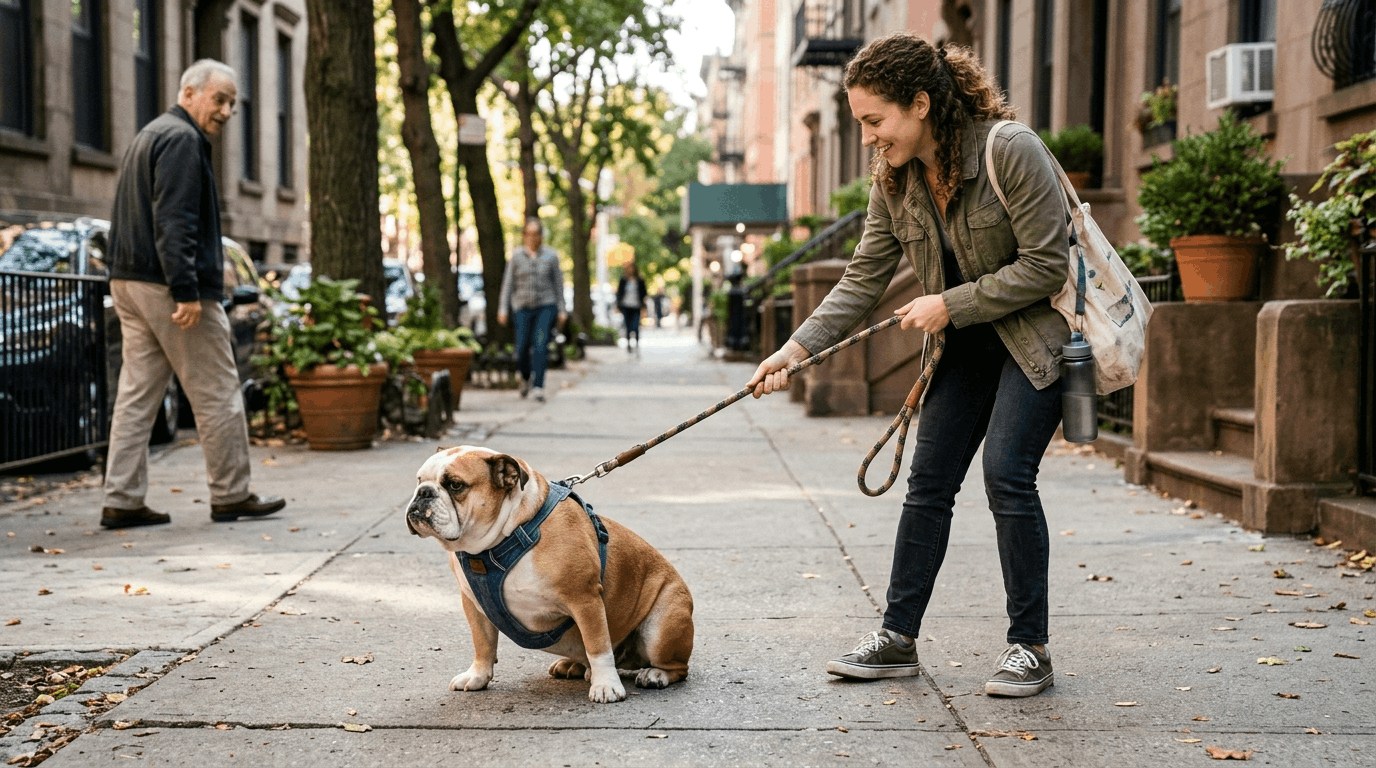
A harness is often a better choice than a collar, especially for walks. It reduces strain on the neck and provides better handling. In addition, using comfortable and well-fitted gear helps your dog feel more relaxed.
Simple tools can make daily tasks easier and reduce stress for both you and your dog.
Be Flexible When Needed
While consistency is important, flexibility allows you to adapt to your dog’s needs. Some days may require adjustments based on energy levels or mood.
If your dog seems tired or unresponsive, adjust your approach rather than forcing compliance. Shorten activities or switch to a calmer task.
In addition, observe your dog’s behavior regularly. This helps you understand when changes are needed.
By balancing structure with flexibility, you create a routine that works long term.
Build A Strong Bond Over Time
The relationship you have with your dog influences how it responds to you. To live with stubborn bulldog behavior without stress, focus on building trust and connection.
Spend time interacting with your dog outside of training. Play, relax, and create positive experiences together. These moments strengthen your bond.
In addition, a strong relationship increases your dog’s willingness to cooperate. When your dog trusts you, it becomes more responsive.
Over time, this connection makes daily life easier and more enjoyable.
Conclusion
Learning how to live with stubborn bulldog behavior without stress is about understanding your dog and adjusting your approach. By focusing on consistency, motivation, and patience, you can manage challenges effectively while building a positive routine.
Instead of viewing stubbornness as a problem, see it as a trait that requires the right strategy. With time and effort, your bulldog can become more cooperative and easier to live with. The result is a calmer, more balanced relationship that benefits both you and your dog.
FAQ
- Why are bulldogs so strong-willed?
Their independent nature makes them less likely to follow commands without motivation. - Can stubborn behavior be improved quickly?
Yes, consistent training and positive reinforcement can show results in a short time. - What is the best way to train a bulldog?
Use rewards, keep sessions short, and stay consistent with commands. - How do I stay patient during training?
Focus on progress rather than perfection and keep expectations realistic. - Is stubborn behavior normal in bulldogs?
Yes, it is a common trait that can be managed with the right approach.