[be_published_modified_date]
Safe Exercise for Bulldogs: Balancing Activity and Brachycephalic Needs
Bulldogs, with their charming waddle and stout build, require a specific approach to exercise. Due to their brachycephalic (short-nosed) anatomy, their bulldog exercise needs differ significantly from other breeds. Overexertion, especially in warm weather, can quickly lead to respiratory distress and heatstroke. The key is moderation, consistency, and careful monitoring to ensure their safety and well-being. Furthermore, understanding these unique requirements is paramount for responsible ownership.
Many bulldog owners mistakenly believe their dogs need minimal activity. However, a sedentary lifestyle can lead to obesity and associated health problems. Therefore, finding the right balance is crucial. This comprehensive guide will explore appropriate exercise routines, essential safety precautions, and how to keep your bulldog active without compromising their health. We will also discuss the importance of veterinary consultation for tailored advice.
Understanding Your Bulldog’s Unique Physiology
Bulldogs possess a distinct physical structure that impacts their capacity for exercise. Their short snouts, characteristic of brachycephalic breeds, mean they have compromised airways. Consequently, they cannot cool themselves as efficiently as long-nosed dogs through panting. This makes them highly susceptible to overheating. Moreover, their sturdy build and often short legs can put strain on their joints during vigorous activity. Recognizing these limitations is the first step towards meeting their specific physical activity requirements.
Their compact body also means they can gain weight easily if their diet isn’t balanced with appropriate physical activity. Therefore, managing their weight through controlled portions and regular, gentle movement is essential. In fact, obesity exacerbates respiratory issues and joint problems. Owners must be vigilant about their bulldog’s condition. Regular check-ups with a veterinarian can help monitor their health and guide their activity levels.
Appropriate Activities and Heat Safety for Your Bulldog
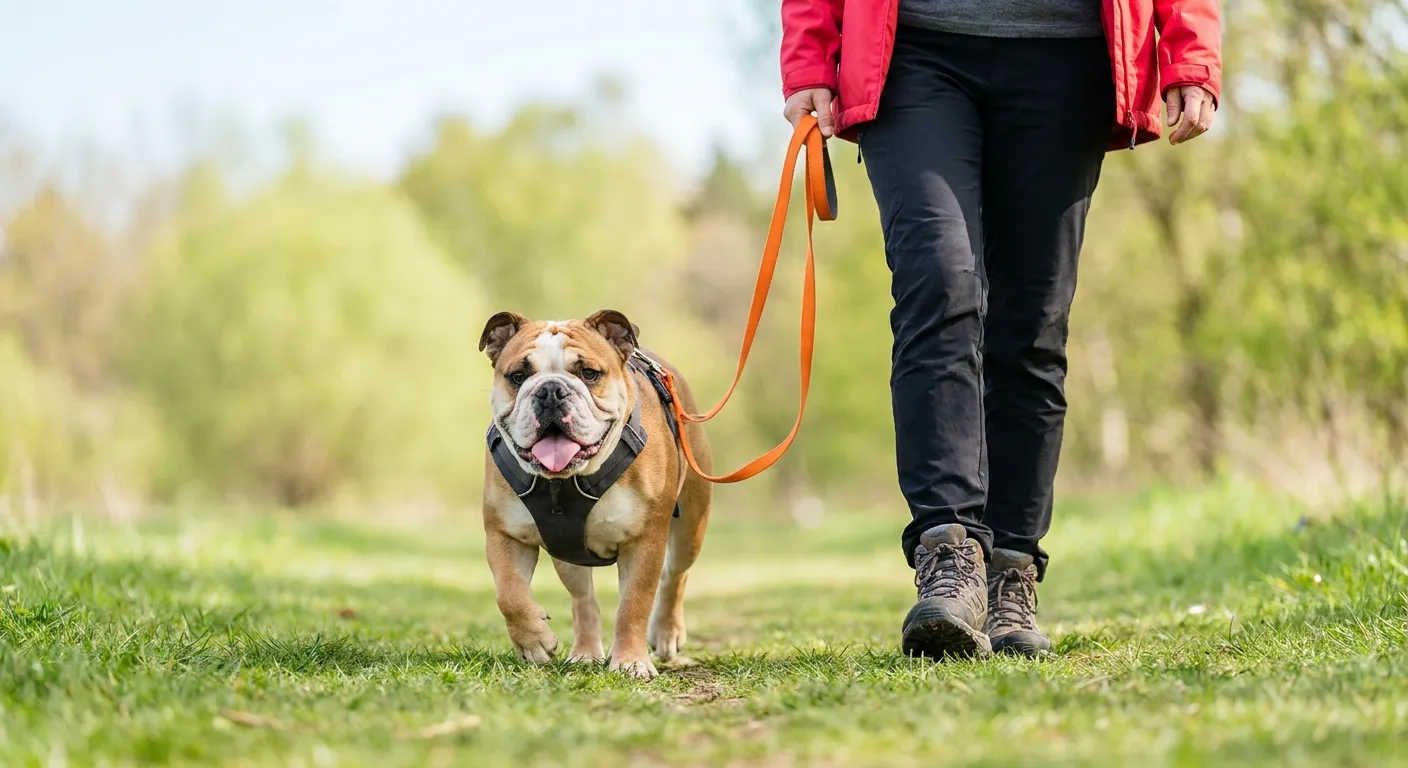
Short, frequent walks are ideal for bulldogs. Aim for 15-20 minutes, two to three times a day, primarily during cooler parts of the day, such as early mornings or late evenings. Gentle indoor play, like fetch in a controlled environment, or puzzle toys, can also provide mental and physical stimulation without overexertion. Avoid strenuous activities, long hikes, or running, as these can put excessive strain on their respiratory system and joints. Water activities, like swimming (with a life vest and supervision), can be a good low-impact option, but ensure their face stays above water. Additionally, always supervise them closely near water.
Consider the environment when planning their outings. Hot pavement can burn their paw pads. Similarly, humid conditions make it harder for them to cool down. It is always better to err on the side of caution. If you feel uncomfortable with the temperature, your bulldog likely does too. Furthermore, always carry plenty of fresh water for both of you during walks. A portable water bowl is an invaluable tool for any bulldog owner.
The Importance of Mental Stimulation
Physical activity is not the only aspect of healthy living for bulldogs. Mental stimulation is equally vital. Puzzle feeders, interactive toys, and training sessions can keep their minds sharp without demanding too much physical exertion. This is especially beneficial on days when outdoor activity is limited due to weather. For example, teaching new tricks can be a fun and engaging way to bond with your bulldog and provide mental enrichment. Consequently, a mentally stimulated bulldog is often a happier and more well-behaved companion.
Rotating toys and introducing new challenges can prevent boredom. Consider hiding treats around the house for them to sniff out, which engages their natural foraging instincts. Regularly scheduled playdates with calm, compatible dogs can also offer social and mental benefits, provided they are supervised in a safe, cool environment. These activities contribute significantly to their overall well-being, complementing their physical activity requirements.
Recognizing Signs of Overheating and Brachycephalic Distress
Monitoring your bulldog for signs of overheating is critical, especially when addressing their bulldog exercise needs. Symptoms include excessive panting, drooling, weakness, stumbling, bright red gums, or even collapse. If you notice any of these signs, immediately move your bulldog to a cool, shaded area, offer small amounts of water, and apply cool (not cold) water to their paws, belly, and armpits. Seek veterinary attention immediately if symptoms persist or worsen. Always carry water for your bulldog during outings, and never leave them unattended in a car, even on a mild day. This is a life-threatening emergency.
Early intervention can make a significant difference in the outcome. Knowing these signs and acting quickly can save your bulldog’s life. Furthermore, familiarize yourself with the nearest emergency veterinary clinic. Having a plan in place before an emergency occurs can reduce stress and ensure prompt treatment. Remember, prevention is always better than cure when it comes to heatstroke.
Developing a Personalized Exercise Plan for Your Bulldog
Every bulldog is an individual, and their specific activity levels may vary based on age, health, and individual temperament. A senior bulldog, for instance, will have different requirements than a playful puppy. Consult with your veterinarian to develop a personalized exercise plan that considers your dog’s unique circumstances. They can assess your bulldog’s overall health, including their respiratory function and joint health, to recommend appropriate activities and intensity. This professional guidance is invaluable.
Your vet might suggest specific supplements for joint health or dietary adjustments to manage weight. They can also advise on the best times of day for walks in your local climate. Moreover, a tailored plan ensures you are meeting your dog’s specific physical activity requirements safely and effectively. This proactive approach will contribute significantly to your bulldog’s long-term health and happiness. Always prioritize their comfort and safety above all else.
Adapting Exercise to Weather Conditions
Weather plays a huge role in determining appropriate activity levels for bulldogs. Hot and humid days are particularly dangerous. On such days, restrict outdoor activity to short potty breaks and focus on indoor games. Conversely, cold weather can also pose risks, though less common for overheating. Extremely cold temperatures can lead to hypothermia, especially for bulldogs with less body fat. Therefore, a warm coat might be necessary for winter walks.
Rainy or snowy conditions also require consideration. While some bulldogs enjoy playing in the rain, others dislike getting wet. Adjust your routine accordingly. Indoor activities become even more important when outdoor conditions are unfavorable. This adaptability ensures your bulldog remains active year-round. Always check the weather forecast before heading out to plan your bulldog’s exercise needs effectively.
Preventing Common Exercise-Related Injuries
Bulldogs are prone to certain injuries due to their build. Their short legs and heavy bodies can put stress on their joints, particularly their hips and elbows. Avoiding high-impact activities like jumping or running on hard surfaces is crucial. Instead, focus on low-impact exercises that support joint health. Swimming, as mentioned, is an excellent option for this reason, as it provides a full-body workout without joint strain.
Regular paw care is also important. Inspect their paw pads for cuts, cracks, or foreign objects, especially after walks. Keeping their nails trimmed helps prevent discomfort and promotes proper foot structure. Furthermore, maintaining a healthy weight significantly reduces the load on their joints, further preventing injury. These preventative measures are essential for ensuring your bulldog’s long-term mobility and comfort. Addressing these aspects helps meet their specific physical activity requirements.
The Role of Nutrition in Supporting Activity Levels
A balanced diet is fundamental to supporting your bulldog’s activity levels and overall health. High-quality dog food provides the necessary nutrients for energy, muscle maintenance, and joint health. Consult your veterinarian about the best diet for your bulldog, considering their age, activity level, and any specific health conditions. Overfeeding can quickly lead to weight gain, which, as discussed, complicates their bulldog exercise needs and exacerbates respiratory issues.
Portion control is key. Measure your bulldog’s food accurately rather than free-feeding. Treats should be given in moderation and factored into their daily calorie intake. For instance, consider using low-calorie vegetables like carrots or green beans as healthy alternatives. Proper hydration is also vital, especially when your bulldog is active. Always ensure they have access to fresh, clean water. A well-nourished bulldog has the energy and resilience to enjoy their activities safely.
Building a Routine for Consistent Activity
Consistency is paramount when it comes to meeting your bulldog’s activity requirements. Establishing a predictable daily routine helps your bulldog understand when it’s time for a walk or play. This can reduce anxiety and make training easier. For example, morning and evening walks at the same time each day create a positive habit. However, remember to be flexible and adjust the routine based on weather or your bulldog’s energy levels. A rigid schedule might be detrimental if it pushes them beyond their limits.
Gradual progression is also important. If your bulldog is new to an exercise routine or returning from an injury, start with very short walks and slowly increase the duration and intensity. This allows their body to adapt and minimizes the risk of injury. Observe their cues carefully. If they seem tired or unwilling to continue, respect their limits. Building a consistent yet adaptable routine is key to addressing their bulldog exercise needs successfully.
Socialization and Play with Other Dogs
Socialization is an important aspect of a bulldog’s development and can contribute to their physical and mental well-being. However, introducing them to other dogs for play requires careful consideration due to their unique physical limitations. Opt for supervised playdates with calm, gentle dogs of similar energy levels. Avoid vigorous play with highly energetic breeds that might unintentionally overexert or injure your bulldog.
Always choose a safe, enclosed, and temperature-controlled environment for play. Short bursts of play are preferable to prolonged sessions. Observe your bulldog for any signs of fatigue or stress, and intervene if necessary. Social interaction, when managed appropriately, can provide valuable mental stimulation and help them burn off some energy in a controlled manner. This ensures their social activity also aligns with their specific physical activity requirements.
Recognizing When to Rest Your Bulldog
Just as important as knowing when to exercise is knowing when to rest. Bulldogs benefit from ample rest, especially after any physical activity. They are not built for endurance, and pushing them too hard can have serious consequences. Pay attention to your bulldog’s body language. If they are panting heavily, lagging behind, or seeking shade, it’s a clear sign they need a break. Never force your bulldog to continue an activity if they show signs of discomfort or fatigue.
Providing a comfortable, cool resting spot is essential. This could be a shaded area outdoors, a cool tile floor indoors, or a special cooling mat. Adequate rest allows their body to recover and prevents overexertion. Prioritizing rest is a crucial component of managing their bulldog exercise needs and ensuring their overall health and happiness. Their well-being depends on your careful observation and responsible decision-making.
Conclusion: A Balanced Approach to Bulldog Activity
By understanding and respecting your bulldog’s physical limitations, you can ensure they receive adequate exercise without compromising their health. A balanced approach to activity will contribute significantly to a happy and healthy life for your beloved companion. Remember, their unique brachycephalic nature means their bulldog exercise needs are distinct. Prioritize short, frequent, low-impact activities, especially during cooler parts of the day. Vigilantly monitor for signs of overheating, and always consult your veterinarian for personalized guidance.
Responsible bulldog ownership involves a commitment to their specific care requirements. With the right knowledge and consistent effort, you can provide a fulfilling and active life for your beloved bulldog, ensuring they remain healthy, happy, and an integral part of your family for many years to come. Your dedication to their well-being makes all the difference.
FAQ
How much daily activity does a bulldog need?
Bulldogs generally benefit from two to three short walks daily, each lasting 15-20 minutes. These should occur during cooler parts of the day. Gentle indoor play can supplement outdoor activity.
What activities are safe for brachycephalic dogs?
Safe activities for short-nosed dogs include short walks, indoor play with puzzle toys, and supervised swimming with a life vest. Avoid strenuous activities like long runs or intense fetch.
How can I tell if my bulldog is getting too hot?
Signs of overheating include excessive panting, drooling, weakness, stumbling, bright red gums, or collapse. If you observe these symptoms, move your dog to a cool area and seek veterinary care immediately.
Are there any specific considerations for bulldog puppies and seniors regarding physical activity?
Puppies need shorter, more frequent play sessions to avoid overexertion on developing joints. Senior bulldogs may require even shorter walks and more rest, with careful monitoring of joint pain and respiratory function. Always consult your vet for age-specific advice on bulldog activity levels.
What is the best way to keep a bulldog active indoors?
Indoor activities can include interactive puzzle toys, gentle games of fetch in a spacious room, hide-and-seek with treats, and training sessions to stimulate their minds without excessive physical exertion. These help meet their physical activity requirements.