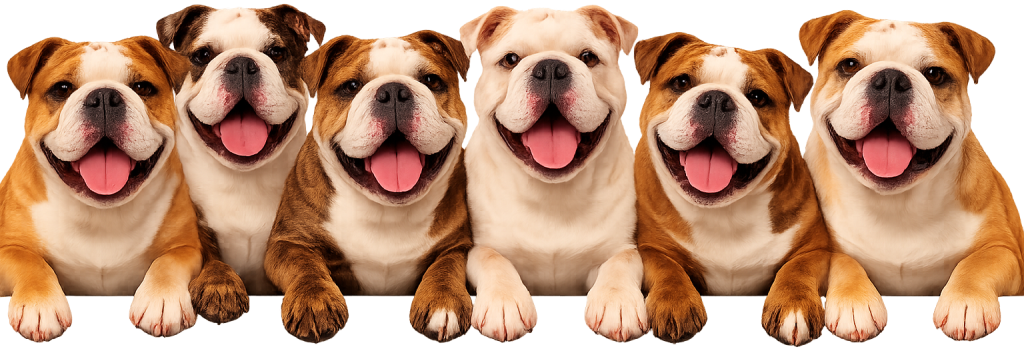

Bringing a bulldog into your family is an exciting prospect. However, the journey begins long before your new pup comes home. The health, temperament, and future well-being of your bulldog largely depend on where they come from. That’s why finding a reputable bulldog breeder is paramount. A responsible breeder prioritizes the health and genetic soundness of their dogs. They ensure that you receive a well-socialized puppy free from common hereditary issues. This checklist will guide you through the essential questions and observations. It helps ensure you make an informed and ethical choice.
Your Essential Checklist for a Reputable Bulldog Breeder
When researching breeders, consider these critical points. Each aspect plays a vital role in identifying a truly responsible source for your new companion.
Health Clearances and Genetic Testing
A truly reputable bulldog breeder will openly provide documentation of health screenings for both parent dogs. For bulldogs, specifically, this should include certifications from organizations like the Orthopedic Foundation for Animals (OFA) for hips, elbows, patellas, and cardiac health. Furthermore, they should screen for common brachycephalic issues. They must be transparent about any known genetic conditions in their lines. This transparency protects both the puppies and future owners. Moreover, it demonstrates a commitment to the breed’s overall health.
Transparency and Open Communication
The breeder should be willing to answer all your questions thoroughly. They should also invite you to visit their facility. Be wary if a breeder is hesitant to share information. Similarly, avoid those who allow only curbside pickup without a prior visit. Open communication builds trust. A good breeder values this interaction. They understand your desire to learn about your potential new family member. Therefore, they will gladly share details about their breeding program and practices.
Environment and Socialization
Observe the living conditions of the puppies and adult dogs. They should be clean, safe, and stimulating. Puppies should appear well-fed, energetic, and curious. A good breeder prioritizes early socialization. They expose puppies to various sights, sounds, and people. This fosters confident temperaments. In fact, early exposure is crucial for a well-adjusted adult bulldog. A nurturing environment indicates a responsible approach. It shows the breeder cares deeply about their dogs’ development.
Limited Litters and Age-Appropriate Placement
Responsible breeders do not overbreed their dogs. They typically have only a few litters a year. They also ensure the dam is healthy and rested between pregnancies. Puppies should not be separated from their mother and littermates before 8 weeks of age. This crucial period is vital for their social development. Consequently, a breeder who adheres to these guidelines shows genuine care. They prioritize the long-term well-being of their dogs. This practice distinguishes a responsible operation from a puppy mill.
Veterinary Care and Records
Ask for proof of the puppy’s first veterinary check-up, vaccinations, and deworming. The breeder should provide a health guarantee. They should also offer a contract outlining terms for returns or health issues. These documents are non-negotiable. They offer peace of mind and protection. Furthermore, they demonstrate the breeder’s commitment to standing behind their puppies’ health. A detailed health record is a sign of professionalism.
Lifetime Support and Take-Back Policy
A dedicated breeder offers ongoing support and advice for the lifetime of your bulldog. They should also have a take-back policy. This ensures that if you can no longer care for the dog, it can be returned to them. This prevents dogs from ending up in shelters. Such a policy highlights the breeder’s lifelong commitment to their dogs. It is a hallmark of an ethical breeding program. They view their puppies as family members, not just products.
Why Choosing a Reputable Bulldog Breeder Matters
The decision to bring a bulldog into your home is significant. It impacts not only your family but also the dog’s entire life. By selecting a reputable bulldog breeder, you are investing in a healthy and happy future for your companion. This choice helps avoid costly veterinary bills down the line. Moreover, it ensures your bulldog has a stable temperament. Responsible breeders focus on improving the breed. They screen for genetic conditions common in bulldogs. This proactive approach minimizes health risks. Therefore, your due diligence in finding a quality source is invaluable.
Understanding the common health issues in bulldogs is crucial. Bulldogs are brachycephalic, meaning they have short snouts. This can lead to breathing difficulties. A responsible breeder will prioritize breeding dogs with clear airways. They will also educate you on how to manage these potential issues. Furthermore, they will discuss proper diet and exercise. This guidance is essential for new owners. It helps you provide the best care. You can learn more about bulldog health from resources like the Orthopedic Foundation for Animals (OFA), which provides public health databases.
Key Questions to Ask Any Bulldog Breeder
Beyond the checklist items, preparing a list of questions is beneficial. For instance, ask about the puppy’s parents. What are their temperaments like? Have they competed in any dog shows or events? This provides insight into their lineage and socialization. Also, inquire about the breeder’s experience. How long have they been breeding bulldogs? What challenges have they faced? A seasoned breeder will have valuable insights. They will share their knowledge openly. This helps you understand the commitment involved in owning a bulldog.
Furthermore, ask about their breeding philosophy. What are their goals for the breed? Are they trying to improve specific traits? A good breeder has a clear vision. They are not just breeding for profit. They are passionate about bulldogs. They want to contribute positively to the breed’s future. This passion translates into well-cared-for puppies. It also means they will be a valuable resource for you. They offer ongoing support. This is a critical aspect of being a responsible dog owner.
Recognizing Red Flags: What to Avoid
While looking for a reputable bulldog breeder, it’s equally important to recognize red flags. Avoid breeders who have multiple breeds available. Also, be cautious of those who seem to always have puppies ready. This often indicates a puppy mill or a high-volume commercial operation. These establishments typically prioritize profit over welfare. They may not provide adequate socialization or health care. Their facilities might be unclean or overcrowded. Consequently, puppies from these sources often suffer from health or behavioral problems later in life.
Another warning sign is a breeder who pressures you to make a quick decision. A responsible breeder wants to ensure their puppies go to good homes. They will take their time with the adoption process. They will also ask you many questions. They want to ensure you are a suitable owner. If a breeder avoids questions or seems secretive, walk away. Your instincts are important here. Trust your gut feeling. Your future bulldog’s health depends on it. Moreover, never purchase a puppy without seeing its living environment. This is a non-negotiable requirement.
The Importance of Breed-Specific Knowledge
A truly responsible and reputable bulldog breeder possesses extensive breed-specific knowledge. They understand the unique needs of bulldogs. This includes their dietary requirements, exercise limitations, and grooming routines. They can also advise on potential health concerns specific to the breed. For example, bulldogs are prone to heatstroke. A knowledgeable breeder will emphasize the importance of keeping them cool. They will also suggest appropriate exercise levels. This expert advice is invaluable for new owners. It ensures you are well-prepared for your bulldog’s care.
Moreover, a good breeder will be a member of breed clubs or associations. These organizations promote responsible breeding practices. They also provide educational resources. Being part of such a community shows dedication. It indicates a commitment to upholding breed standards. You can often find lists of ethical breeders through these clubs. For instance, the Bulldog Club of America is a great resource. They often provide breeder directories and ethical guidelines. These resources help you identify a truly reputable bulldog breeder.
Preparing for Your New Bulldog Puppy
Once you’ve found a reputable bulldog breeder, the next step is preparing for your new puppy. This involves puppy-proofing your home. It also means gathering essential supplies. These include food bowls, a comfortable bed, toys, and grooming tools. Your breeder can offer advice on specific brands and types of items. They know what works best for their puppies. This guidance helps ease the transition for your new family member. Furthermore, it ensures a smooth start to your life together. A good breeder will provide a comprehensive puppy pack. This often includes a small bag of their current food, a toy with littermate scents, and important documents.
Remember, bringing home a bulldog is a long-term commitment. They require consistent training, socialization, and veterinary care. A responsible breeder will emphasize these aspects. They want their puppies to thrive in their new homes. They will be available for questions and support. This ongoing relationship is a hallmark of an ethical breeding program. It demonstrates their dedication beyond the initial sale. Consequently, you gain a valuable partner in your bulldog ownership journey. Your chosen reputable bulldog breeder will be a lifelong resource.
Conclusion
Choosing a reputable bulldog breeder is a significant decision. It impacts your dog’s entire life. By following this comprehensive checklist, you can confidently select a breeder. They will align with ethical practices. They will also be committed to producing healthy, happy bulldogs. This sets the foundation for a wonderful companionship. Your diligence in this process ensures a well-adjusted and beloved family member. Ultimately, a responsible choice leads to years of joy with your new bulldog. Prioritize health, temperament, and ethical practices. This will lead you to the perfect addition to your family.
FAQ
What are the most important health clearances for bulldogs?
For bulldogs, essential health clearances include certifications for hips, elbows, patellas, and cardiac health from organizations like the OFA. Screening for brachycephalic airway syndrome is also crucial due to their unique facial structure.
How can I verify a breeder’s claims about health testing?
Always ask for official documentation of health screenings. Reputable breeders will provide copies of OFA certificates or similar records for both parent dogs. You can often verify these certifications online through the respective organization’s database.
Is it okay if a breeder doesn’t allow visits to their facility?
No, it is generally not okay. A responsible bulldog breeder will welcome visits to their facility to show you where the puppies and adult dogs live. Avoiding visits can be a significant red flag, suggesting poor living conditions or unethical practices.
At what age should a bulldog puppy go to its new home?
Puppies should ideally remain with their mother and littermates until at least 8 weeks of age. This period is vital for their social development and learning essential dog behaviors. A good breeder will adhere to this timeline.
What kind of support should a good dog breeder offer after I take my puppy home?
An ethical dog breeder offers ongoing support and advice for the lifetime of your bulldog. This includes answering questions about training, health, and behavior. They should also have a take-back policy in case you can no longer care for the dog.