Bringing a bulldog puppy home is an exciting time, but it comes with unique responsibilities. These charming, wrinkled companions require specific attention from day one to ensure a healthy and happy life. This guide to bulldog puppy essential care will walk you through the crucial steps for establishing a strong foundation, from nutrition to early health checks, addressing common concerns for new owners. As pet humanization continues to drive increased spending on specialized care, ensuring your bulldog puppy receives the best start is more important than ever.
Nutrition: Fueling Growth and Preventing Sensitivities
Proper nutrition is paramount for your growing bulldog puppy. Due to their breed-specific sensitivities, choosing the right food is critical. Look for high-quality puppy formulas specifically designed for medium breeds or those with sensitive stomachs. Avoid common allergens like corn, wheat, and soy. Feed small, frequent meals as recommended by your veterinarian to prevent bloat and aid digestion. Monitor their weight closely; bulldog puppies can gain weight quickly, and early obesity can exacerbate future joint problems. Always have fresh, clean water available, especially after play or in warm weather.
Furthermore, understanding the specific nutritional needs of bulldog puppies is vital. Their rapid growth phase requires a balanced diet rich in protein for muscle development and appropriate fat levels for energy. Consider consulting with a veterinary nutritionist for personalized dietary advice. They can help you navigate the vast array of commercial puppy foods and identify any potential deficiencies or excesses. Remember, a well-fed puppy is a happy puppy, and good nutrition forms the cornerstone of comprehensive bulldog puppy management.
Moreover, introducing new foods gradually is crucial to prevent digestive upset. Transitioning too quickly can lead to diarrhea or vomiting, which can be particularly concerning for young puppies. Mix a small amount of the new food with their old food, gradually increasing the proportion over several days. This allows their digestive system to adjust smoothly. Always observe your puppy for any adverse reactions to new ingredients, such as itching, skin rashes, or changes in stool consistency, as these could indicate a food sensitivity.
Early Training and Socialization: Building a Well-Adjusted Companion
Starting training and socialization early is key to a well-behaved bulldog. Bulldogs are intelligent but can be stubborn, so consistent, positive reinforcement training works best. Focus on basic commands like ‘sit,’ ‘stay,’ ‘come,’ and ‘leave it.’ Potty training requires patience and a consistent schedule. Early socialization, exposing your puppy to various sights, sounds, people, and other vaccinated, friendly dogs in controlled environments, is vital for developing a confident and friendly temperament. This proactive approach aligns with the growing emphasis on pet mental and emotional well-being.
In addition, early training helps establish a strong bond between you and your bulldog puppy. Short, frequent training sessions are more effective than long, infrequent ones, especially for puppies with shorter attention spans. Use high-value treats and praise to reward desired behaviors. Consistency is truly the most important factor in successful puppy training. Everyone in the household should use the same commands and expectations to avoid confusing your young bulldog.
Furthermore, proper socialization extends beyond just meeting other dogs. It involves exposing your puppy to different environments, textures, and noises. Take your puppy for short car rides, introduce them to people of all ages, and let them experience various surfaces like grass, concrete, and carpet. This broad exposure helps them become resilient and adaptable adults. For instance, consider enrolling in a puppy kindergarten class. These structured environments offer controlled socialization opportunities and professional guidance on training techniques. This is a fundamental aspect of bulldog puppy essential care.
Routine Grooming for Those Adorable Wrinkles
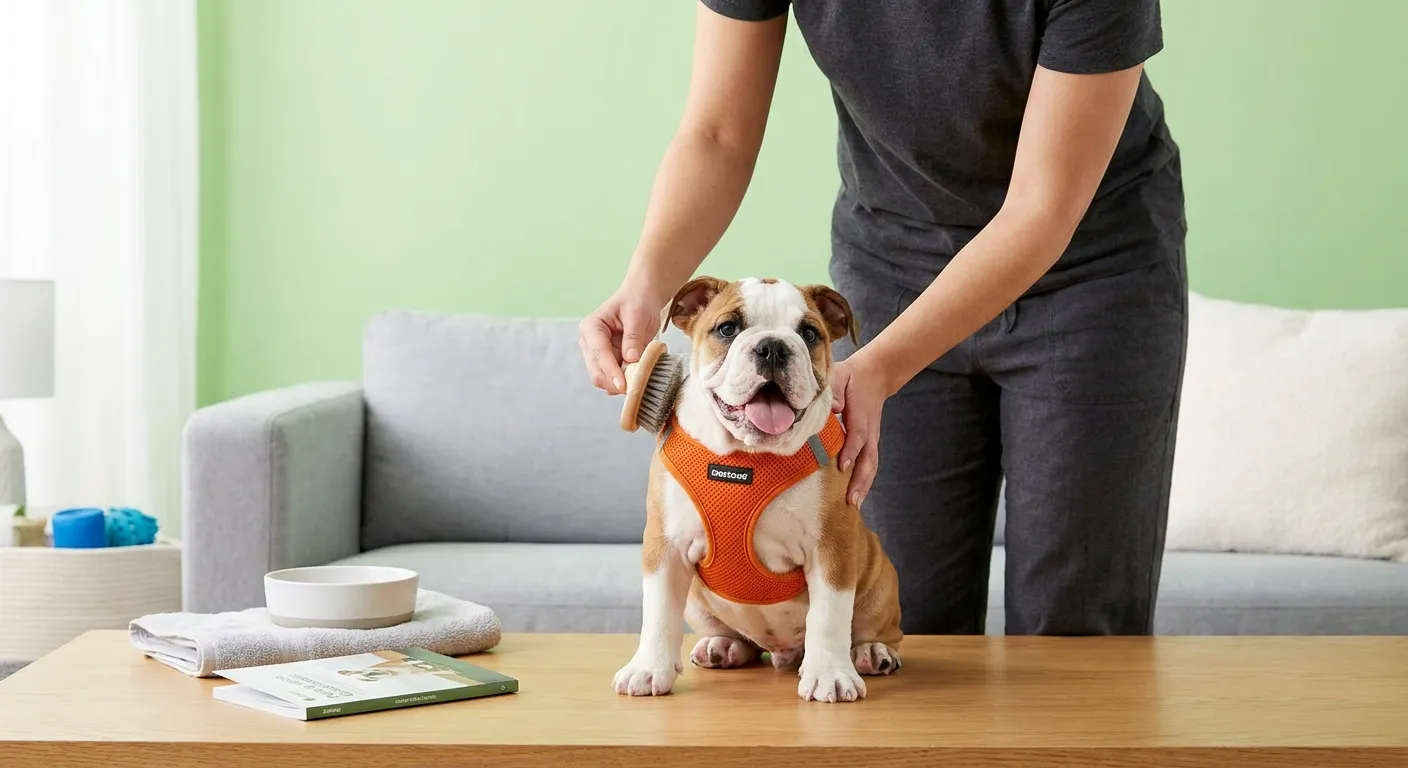
Bulldogs are famous for their wrinkles, which, while adorable, require diligent care to prevent skin issues. Regular grooming is not just cosmetic; it’s a preventive health measure. Clean their facial folds daily with a damp cloth or pet-safe wipe, ensuring they are completely dry afterwards to prevent skin fold dermatitis, a common concern for the breed. Don’t forget their tail pocket if they have one. Regular nail trims are also essential to prevent discomfort and mobility issues, and routine ear checks and cleaning can prevent infections.
Moreover, dental hygiene is an often-overlooked part of bulldog puppy essential care. Start brushing your puppy’s teeth regularly from a young age using a pet-specific toothbrush and toothpaste. This early habituation makes it easier to maintain their oral health as they grow, preventing periodontal disease later in life. Furthermore, consider providing appropriate chew toys to help with teething and promote healthy gums. These toys can also provide mental stimulation.
In addition to daily wrinkle cleaning, a regular bathing schedule is important. Bulldogs typically don’t need frequent baths, but when they do, use a gentle, hypoallergenic shampoo specifically formulated for dogs. Be sure to rinse thoroughly to avoid leaving any residue that could irritate their sensitive skin. After bathing, ensure your bulldog is completely dry, paying special attention to those deep wrinkles and folds. This thorough drying prevents moisture from getting trapped, which can lead to skin infections.
Initial Preventive Health Measures: Partnering with Your Vet
Your veterinarian is your most important partner in your bulldog puppy’s health journey. Schedule your first vet visit shortly after bringing your puppy home. This initial check-up will confirm their health, establish a vaccination schedule, and discuss parasite prevention. Early intervention and preventive care are major trends in pet well-being. Your vet will also advise on spaying or neutering, typically recommended around six months of age, and microchipping for identification. This foundational veterinary care is a critical part of bulldog puppy essential care.
Furthermore, understanding common bulldog health issues is important for new owners. Bulldogs are prone to certain conditions due to their unique anatomy, such as brachycephalic airway syndrome, hip and elbow dysplasia, and various skin conditions. Your vet can provide guidance on recognizing symptoms and managing these potential issues. Being proactive about their health means regular check-ups, even when your puppy seems perfectly fine. This allows for early detection and treatment of any emerging problems.
For instance, discuss a deworming schedule with your vet. Puppies are often born with or acquire intestinal parasites, which can impact their growth and overall health. Regular deworming, along with flea and tick prevention, is a non-negotiable aspect of their early health regimen. You might also want to explore pet insurance options. While not a health measure itself, it can significantly ease the financial burden if your bulldog puppy requires extensive medical care in the future. Reputable sources like the American Veterinary Medical Association offer valuable insights into choosing a good vet and understanding preventive care.
Creating a Safe and Stimulating Environment for Your Young Bulldog
Preparing your home for a bulldog puppy involves more than just buying cute accessories; it means creating a safe and stimulating environment. Puppy-proofing your home is crucial to prevent accidents and protect your belongings. Remove any toxic plants, secure electrical cords, and store hazardous chemicals out of reach. Provide a comfortable, designated sleeping area, such as a crate or a cozy bed, which helps with potty training and provides a safe retreat for your puppy. This thoughtful preparation is a key component of effective bulldog puppy essential care.
Moreover, mental stimulation is just as important as physical exercise for a developing bulldog. While bulldogs are not known for their high energy, they still benefit from engaging activities. Puzzle toys that dispense treats can keep them entertained and challenge their minds. Interactive play sessions with you also strengthen your bond and fulfill their need for engagement. Remember to supervise all playtime, especially with new toys, to ensure safety.
In addition, consider the climate. Bulldogs are very sensitive to heat due to their brachycephalic (short-nosed) anatomy. Ensure your home is adequately cooled in warmer months and that your puppy always has access to shade and fresh water when outdoors. Never leave a bulldog puppy unattended in a hot car, even for a short period. Understanding these environmental considerations is paramount for their well-being and is a vital part of providing proper bulldog puppy essential care.
Addressing Common Puppy Challenges
New bulldog owners often face specific challenges. For example, nipping and biting are common puppy behaviors. Redirect this behavior with appropriate chew toys and consistent training. Never encourage biting, even in play. Similarly, separation anxiety can develop if puppies are left alone for too long too soon. Gradually increase the time your puppy spends alone, and provide comforting items like a blanket with your scent or a safe chew toy. Patience and consistency are your best tools in overcoming these hurdles.
Furthermore, managing your bulldog puppy’s energy levels requires a balanced approach. While they are prone to overheating, they still need regular, short walks and play sessions. These activities contribute to their physical health and help them expend energy, which can reduce unwanted behaviors indoors. Be mindful of their breathing during exercise and stop if you notice any signs of distress. This careful balance is a vital aspect of bulldog puppy essential care.
Another common concern is house training. Bulldogs can be a bit slower to house train than some other breeds. Maintain a strict schedule for potty breaks, especially after waking up, eating, and playing. Reward successful eliminations outdoors enthusiastically. Clean up accidents indoors thoroughly with an enzymatic cleaner to eliminate odors that might encourage repeat incidents. Persistence will ultimately lead to success in this area. Additionally, consider reading up on puppy behavior from trusted resources like the ASPCA for further guidance.
The Long-Term Commitment: Beyond Puppyhood
While this guide focuses on bulldog puppy essential care, remember that owning a bulldog is a long-term commitment. The foundations you lay during puppyhood will influence their health and behavior throughout their life. Continue with regular veterinary check-ups, maintain a healthy diet, and provide ongoing training and socialization. Bulldogs thrive on routine and companionship, so consistent care will ensure they remain happy and healthy members of your family for many years.
Moreover, as your bulldog puppy grows, their needs will evolve. Adjust their diet from puppy food to adult formula at the appropriate age, as advised by your vet. Continue with grooming routines, paying attention to any changes in their skin or coat. Regular exercise, adapted to their adult energy levels and health status, will remain important. Remember, the goal is to provide a continuum of care that supports their well-being at every stage of life. Investing in bulldog puppy essential care now will pay dividends in their future health and happiness.
Finally, embrace the unique personality of your bulldog. They are known for their loving, gentle, and sometimes comical nature. By providing them with the best possible start through diligent care, you are setting the stage for a fulfilling relationship. Enjoy every wrinkle, snort, and wagging tail. Your dedication to their well-being will be rewarded with an incredibly loyal and affectionate companion. This comprehensive approach to bulldog puppy essential care truly makes a difference.
FAQ
What are the most important aspects of caring for a bulldog puppy?
The most important aspects include proper nutrition with breed-appropriate food, early and consistent training and socialization, diligent daily grooming of their wrinkles, and establishing a strong partnership with your veterinarian for preventive health care and vaccinations.
How often should I feed my young bulldog?
Bulldog puppies should be fed small, frequent meals throughout the day to aid digestion and prevent issues like bloat. Your veterinarian can provide a specific feeding schedule based on your puppy’s age, weight, and activity level.
What kind of training is best for bulldog puppies?
Positive reinforcement training is highly effective for bulldog puppies. They respond well to consistent, reward-based methods using treats and praise. Focus on short, engaging sessions for basic commands and early potty training.
How do I prevent skin issues in my bulldog’s wrinkles?
To prevent skin issues, clean your bulldog’s facial folds daily with a damp cloth or pet-safe wipe. It is crucial to ensure the folds are completely dry afterward to prevent moisture buildup and potential skin fold dermatitis.
When should I take my bulldog puppy to the vet for the first time?
You should schedule your bulldog puppy’s first vet visit shortly after bringing them home. This initial check-up is vital for confirming their overall health, establishing a vaccination schedule, and discussing parasite prevention and other preventive measures.