
Watching your beloved bulldog transition into their senior years is a bittersweet journey. While their puppy antics may fade, they enter a new phase filled with wisdom, comfort, and an even deeper bond with you. However, their needs change significantly as they age, requiring adjustments to their daily routine, diet, and veterinary care. This comprehensive guide on senior bulldog care tips is designed to help you provide the best possible support, ensuring their golden years are as comfortable, healthy, and joyful as possible.
Understanding the Aging Bulldog: What to Expect
Generally, bulldogs are considered senior around 7-8 years of age, though this can vary. As they age, you might observe several changes.
- Reduced Mobility: Arthritis and joint pain are common. They may move slower, struggle with stairs, or have difficulty getting up.
- Sensory Decline: Hearing and vision may diminish, leading to increased bumping into objects or not responding to commands as readily.
- Cognitive Changes: Some senior bulldogs experience canine cognitive dysfunction, similar to dementia, manifesting as disorientation, altered sleep cycles, or changes in interaction.
- Increased Sleep: They’ll likely sleep more and have less energy for prolonged activity.
- Changes in Appetite/Thirst: Some may eat less, others more. Increased thirst can indicate underlying health issues.
- Dental Issues: Dental disease often worsens with age, impacting their ability to eat comfortably.
Recognizing these changes early allows you to adapt your care proactively. For example, understanding their reduced mobility helps you create a safer home environment. Moreover, early detection of cognitive changes can lead to better management strategies.
Essential Senior Bulldog Care Tips for Comfort and Health
Providing tailored care is key to maintaining your senior bulldog’s well-being. Consequently, focusing on specific aspects of their daily life becomes crucial. We’ll explore various aspects, from nutrition to mental stimulation.
Tailored Nutrition for Senior Bulldogs
As activity levels decrease, so do caloric needs, while specific nutrient requirements may increase. Therefore, dietary adjustments are often necessary.
- Lower Calorie, Higher Fiber Diets: Transition to a high-quality senior dog food. These formulas typically have fewer calories to prevent weight gain and increased fiber for digestive health. Consult your vet for the best option.
- Joint-Supporting Supplements: Glucosamine, chondroitin, and Omega-3 fatty acids can significantly help manage arthritis pain and maintain joint health. Introduce these under veterinary guidance.
- Easily Digestible Food: If your bulldog has dental issues or a sensitive stomach, consider softened kibble, wet food, or a combination that’s easier to chew and digest.
Always ensure fresh water is available. Furthermore, observe their eating habits closely and report any significant changes to your veterinarian. Proper nutrition is a cornerstone of good senior bulldog care tips.
Adapting Exercise and Environment
Physical activity remains important, but it needs to be modified to suit their capabilities. Gentle exercise helps maintain muscle mass and joint flexibility.
- Shorter, More Frequent, Gentle Walks: Replace long, strenuous walks with multiple short, gentle strolls. Focus on consistency over intensity. Avoid rough terrain or steep inclines.
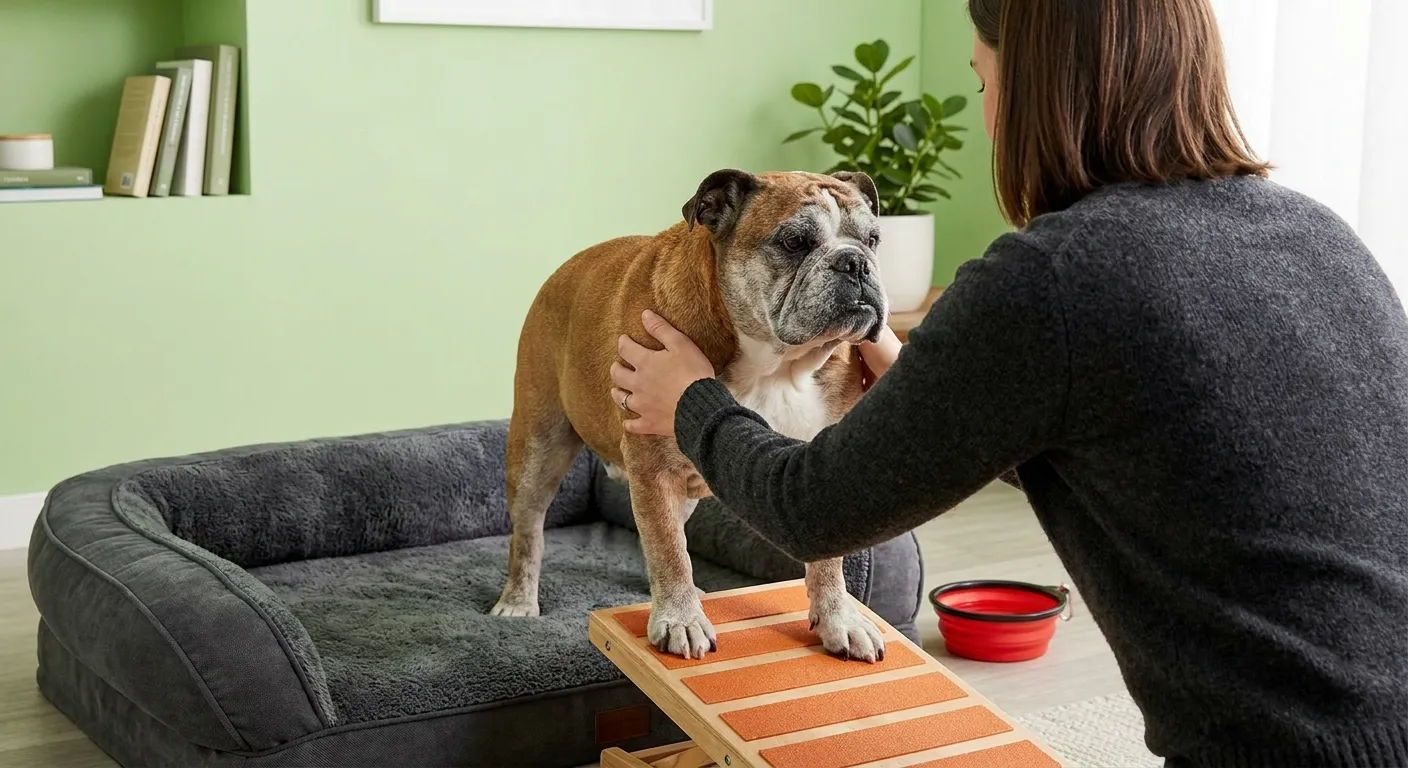
- Ramps and Stairs: Provide ramps for accessing furniture, beds, or vehicles. Consider baby gates to block off stairs if they become a hazard. This adaptation can prevent injuries.
- Comfortable Bedding: Invest in orthopedic beds that provide excellent support for aging joints. Place them in easily accessible, warm, and draft-free areas.
- Non-Slip Surfaces: Use rugs or carpets on slippery floors to provide better traction and prevent falls. This simple change can make a significant difference in their mobility and confidence.
- Temperature Regulation: Senior bulldogs are more susceptible to extreme temperatures. Ensure they stay cool in summer and warm in winter.
Adjusting their environment is a vital component of successful senior bulldog care tips. This proactive approach minimizes discomfort and promotes safety. Additionally, consider enriching their indoor environment with appropriate interactive toys to keep their minds engaged, even if their bodies are slowing down.
Regular Veterinary Care and Health Monitoring
Increased veterinary attention is paramount for senior bulldogs. Regular check-ups can catch potential health issues early.
- Bi-Annual Check-ups: Schedule vet visits every six months instead of annually. These appointments should include comprehensive physical exams, blood work, and urine tests.
- Pain Management: Discuss pain management strategies with your vet for arthritis or other chronic conditions. This might involve medication, physical therapy, or acupuncture.
- Dental Health: Regular dental cleanings are crucial. Poor dental hygiene can lead to serious health problems. Your vet can recommend suitable dental care routines.
- Weight Management: Monitor your bulldog’s weight closely. Obesity exacerbates joint problems and increases the risk of other diseases. Your vet can help you establish a healthy weight goal.
- Vision and Hearing Checks: Have your vet check their eyes and ears regularly. Cataracts, glaucoma, and ear infections are common in older dogs.
Early intervention and consistent monitoring are key aspects of effective senior bulldog care tips. Furthermore, maintaining open communication with your veterinarian ensures you’re always providing the best care. You can find more general information about pet health on the American Veterinary Medical Association website.
Mental Stimulation and Emotional Well-being
An aging bulldog still needs mental engagement and emotional support. This keeps their minds sharp and their spirits high.
- Gentle Play: Engage in short, low-impact play sessions. Use soft toys or puzzle feeders that don’t require much physical exertion.
- Consistent Routine: Maintain a predictable daily schedule. This provides comfort and reduces anxiety, especially for those with cognitive decline.
- Social Interaction: Continue to provide plenty of affection, gentle petting, and quiet companionship. Your presence is incredibly reassuring.
- New Scents and Sounds: Take them to new, safe environments for short periods to experience different smells and sounds. This can be mentally stimulating without being physically demanding.
- Memory Games: Simple scent games or hiding treats can provide mental exercise. These activities are particularly beneficial for cognitive health.
Emotional well-being is just as important as physical health in senior bulldog care. In addition, providing a loving and stable environment contributes significantly to their quality of life. Consider exploring various puzzle toys to keep their minds active and engaged.
Grooming and Hygiene for Older Bulldogs
Grooming needs can change as bulldogs age, often requiring more attention.
- Regular Brushing: Continue regular brushing to keep their coat healthy and minimize shedding. This also allows you to check for lumps, bumps, or skin irritations.
- Nail Trims: Older bulldogs may not wear down their nails as much. Regular trimming prevents discomfort and mobility issues. Overgrown nails can lead to painful walking.
- Wrinkle Care: Their facial and body wrinkles need diligent cleaning to prevent infections. Use a damp cloth and dry thoroughly. This is a critical part of bulldog hygiene at any age, but especially for seniors.
- Ear Cleaning: Check and clean their ears regularly to prevent infections, which can be more common in older dogs.
- Bathing: Bathe them as needed, using a gentle shampoo. Ensure they are completely dry afterward, especially in their wrinkles.
These grooming practices are essential for comfort and preventing health issues. Moreover, they provide an opportunity for you to bond with your senior companion and monitor their physical condition. Regular grooming is a key component of comprehensive senior bulldog care tips.
Common Health Concerns in Senior Bulldogs
As bulldogs age, certain health conditions become more prevalent. Awareness and early detection are crucial.
- Arthritis and Joint Pain: This is perhaps the most common issue. Look for limping, difficulty rising, or reluctance to move.
- Heart Disease: Conditions like congestive heart failure can develop. Symptoms include coughing, difficulty breathing, and reduced stamina.
- Kidney Disease: Increased thirst and urination, decreased appetite, and lethargy can indicate kidney problems.
- Cancer: Older dogs are at a higher risk of various cancers. Regular vet checks can help detect lumps or other signs early.
- Diabetes: Symptoms include increased thirst, frequent urination, weight loss despite a good appetite, and lethargy.
- Dental Disease: As mentioned, dental issues can worsen, leading to pain and systemic infections.
If you observe any of these symptoms, contact your veterinarian immediately. Prompt medical attention can significantly improve your bulldog’s prognosis and quality of life. Being informed about these potential issues is a vital part of providing excellent senior bulldog care tips. For further reading on common senior dog health issues, you might consult resources like The American Kennel Club’s advice on senior dog health.
Creating a Comfortable and Safe Home Environment
Adapting your home can make a world of difference for an aging bulldog.
- Accessible Feeding and Water Stations: Elevate food and water bowls to reduce strain on their neck and joints. This makes mealtime more comfortable.
- Easy Access to Outdoors: Ensure they have easy, safe access to a potty area. Consider a dog door if they can manage it, or more frequent trips outside.
- Night Lights: If their vision is declining, night lights can help them navigate the house more easily, especially at night.
- Slip-Resistant Flooring: As previously mentioned, add rugs or runners to slippery floors to aid traction.
- Safe Resting Spots: Provide multiple comfortable, easily accessible resting spots throughout the house.
These adjustments contribute significantly to their daily comfort and safety. Furthermore, a well-adapted home environment reduces stress for both you and your senior bulldog. It’s an integral part of practical senior bulldog care tips.
The Emotional Aspect of Caring for a Senior Bulldog
Caring for an aging pet can be emotionally challenging, but also incredibly rewarding. Your bulldog relies on your love and understanding more than ever.
- Patience and Understanding: They may have accidents, become disoriented, or seem less responsive. Patience and gentle reassurance are essential.
- Cherish Every Moment: Their time with you is precious. Make an effort to create new, gentle memories together.
- Support Networks: Talk to your vet, other senior dog owners, or online communities. Sharing experiences can be helpful.
- Quality of Life Discussions: Have honest conversations with your vet about your bulldog’s quality of life. This can be difficult, but it’s important for their well-being.
The bond with a senior bulldog deepens in these golden years. Providing compassionate care, understanding their changing needs, and making necessary adjustments will ensure their comfort and happiness. These senior bulldog care tips are designed to support you through this special phase, allowing your cherished companion to enjoy their golden years to the fullest. Remember, every day is an opportunity to show them your love and gratitude for all the joy they’ve brought into your life. For more general advice and resources, you can always visit our Blog.
Frequently Asked Questions About Caring for Older Bulldogs
What age is considered senior for a bulldog?
Most bulldogs are generally considered senior around 7 to 8 years of age. However, this can vary based on individual health, genetics, and lifestyle. Some bulldogs may show signs of aging earlier or later than this average. It’s important to observe your dog for changes rather than relying solely on age.
How can I help my older bulldog with arthritis?
Helping an older bulldog with arthritis involves several strategies. Consider joint supplements like glucosamine and chondroitin, along with Omega-3 fatty acids, under veterinary guidance. Provide orthopedic bedding and use ramps to help them access furniture. Gentle, short walks can maintain mobility. Your vet might also recommend anti-inflammatory medications or other therapies for pain management.
What dietary changes are best for an aging bulldog?
For an aging bulldog, a diet lower in calories but higher in fiber is often recommended to prevent weight gain and support digestion. Look for senior-specific dog food formulas. If they have dental issues, softened kibble or wet food can be easier to eat. Always consult your veterinarian for personalized dietary recommendations based on your bulldog’s specific health needs.
How often should a senior bulldog visit the vet?
Senior bulldogs should ideally visit the veterinarian for check-ups every six months, rather than the annual visits recommended for younger adults. These more frequent visits allow for earlier detection and management of age-related health conditions, such as arthritis, heart disease, or dental problems. Regular blood work and urine tests are also important.
How can I keep my senior bulldog mentally stimulated?
Keeping an older bulldog mentally stimulated can involve gentle play sessions with soft toys, using puzzle feeders for meals, and engaging in simple scent games. Maintaining a consistent daily routine also provides comfort and reduces anxiety. Offer plenty of quiet companionship and affection. Short trips to new, safe environments can also provide novel scents and sounds without being too physically demanding.