
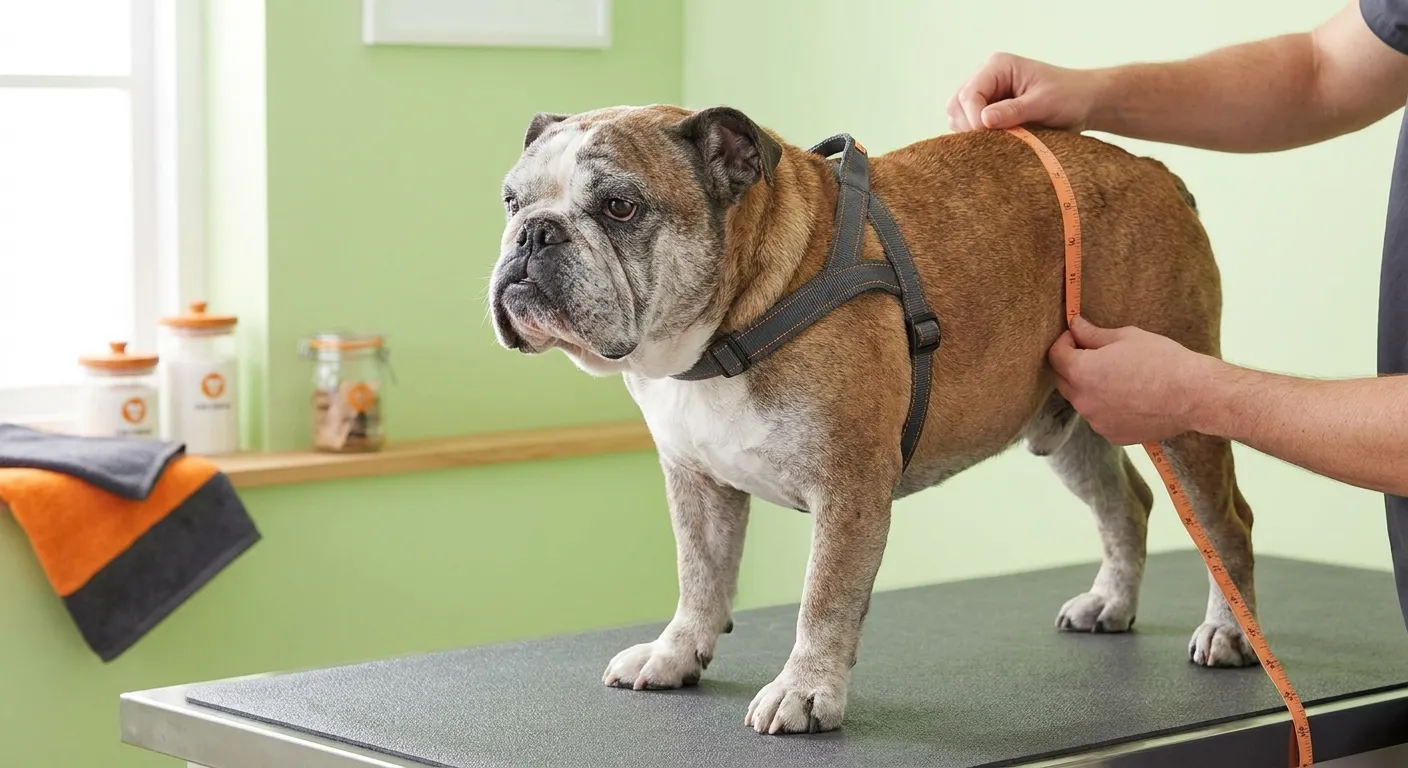
As our beloved bulldogs transition into their golden years, their needs evolve significantly. One of the most critical aspects of ensuring their comfort and longevity is effective senior bulldog weight management. An aging bulldog’s metabolism slows, their activity levels often decrease, and maintaining a healthy weight becomes paramount to mitigating common age-related health issues. This guide will walk you through tailoring their diet, exercise, and overall care to support a vibrant, comfortable senior life.
Understanding Metabolic Changes in Senior Bulldogs
Just like humans, bulldogs experience physiological shifts as they age. Their metabolism naturally slows down, meaning they burn fewer calories at rest. Coupled with often reduced mobility and energy levels, this creates a perfect storm for weight gain. Excess weight in a senior bulldog can exacerbate existing conditions like arthritis, put strain on their already brachycephalic respiratory system, and increase the risk of diabetes and heart disease. Recognizing these changes is the first step in proactive senior care.
Crafting a Tailored Diet for Senior Bulldogs
Dietary adjustments are perhaps the most impactful strategy for senior bulldog weight management. Their nutritional requirements shift from the high-energy demands of puppyhood or active adult life.
Choosing the Right Food
Look for senior-specific dog foods that are:
- Lower in Calories: To compensate for reduced activity and metabolism.
- Higher in Fiber: Promotes satiety and aids digestion.
- Enriched with Joint Support: Ingredients like glucosamine, chondroitin, and omega-3 fatty acids (EPA and DHA) are crucial for supporting aging joints and reducing inflammation.
- Easily Digestible: Senior dogs can have more sensitive digestive systems.
Always consult your veterinarian before making significant changes to your bulldog’s diet. They can recommend specific brands or formulations based on your dog’s individual health profile. For example, some may suggest a prescription diet if specific health conditions are present. Furthermore, understanding the ingredients is key to providing optimal nutrition for an aging bulldog. Many reputable brands offer formulas specifically designed for senior dogs, addressing their unique caloric and nutrient needs.
Portion Control and Feeding Schedule
Precise portion control is non-negotiable. Use a measuring cup and stick to the recommended serving sizes, adjusting as needed under veterinary guidance. Instead of one or two large meals, consider offering smaller, more frequent meals throughout the day. This can aid digestion and help maintain stable energy levels. Consequently, your senior bulldog will feel more comfortable and less prone to overeating at any single meal.
Hydration is Key
Senior dogs are more prone to dehydration. Ensure fresh, clean water is always available and consider adding a little low-sodium broth to their food or using a pet water fountain to encourage drinking. Proper hydration supports kidney function and overall well-being, which is especially important for older canines.
Gentle Exercise for Maintaining Mobility and Weight
While senior bulldogs may not be up for long hikes, maintaining a consistent, gentle exercise routine is vital for their physical and mental well-being, and plays a significant role in managing their weight. Short, frequent walks are often ideal. These walks should be at a slow pace, allowing your bulldog to sniff and explore without overexertion. In addition, swimming can be an excellent low-impact exercise, supporting joint health without putting undue stress on their bodies. Always monitor your bulldog for signs of fatigue or discomfort during any activity. Adjust the duration and intensity based on their energy levels and physical condition.
Incorporating Playtime
Even senior bulldogs enjoy playtime! Opt for softer, gentler games. Interactive toys or puzzle feeders can provide mental stimulation and encourage movement without high impact. Similarly, short sessions with chew toys can keep them engaged and their jaws strong. Remember, mental engagement is just as important as physical activity for overall health. This approach contributes significantly to effective senior bulldog weight management.
Addressing Health Challenges in Older Bulldogs
Aging brings a higher risk of various health issues beyond just weight gain. Being proactive and aware of these challenges is crucial for providing the best care. Regular veterinary check-ups become even more important as your bulldog ages.
Arthritis and Joint Pain
Arthritis is common in older bulldogs, impacting their mobility and comfort. Signs include stiffness, reluctance to jump or climb, and limping. Joint supplements, anti-inflammatory medications, and even physical therapy can help manage pain. Furthermore, ensuring a soft, supportive bed can make a big difference in their daily comfort. Weight management also directly alleviates pressure on aching joints.
Respiratory Issues
Due to their brachycephalic (flat-faced) nature, bulldogs are prone to respiratory problems. These can worsen with age and excess weight. Keep your senior bulldog cool, especially in warm weather, and avoid strenuous exercise during hot parts of the day. A healthy weight reduces the strain on their breathing. Consult your vet if you notice increased panting, snoring, or difficulty breathing.
Dental Health
Dental disease is prevalent in older dogs and can lead to more serious health problems if left untreated. Regular dental check-ups and cleanings, along with at-home dental care, are essential. This might include dental chews or brushing their teeth with pet-specific toothpaste. Poor dental health can make eating difficult, potentially affecting their nutrition and overall well-being.
Cognitive Dysfunction Syndrome (CDS)
Some senior bulldogs may experience cognitive decline, similar to Alzheimer’s in humans. Symptoms include disorientation, changes in sleep patterns, altered interactions, and house-soiling accidents. There are medications and dietary supplements that can help manage CDS symptoms. Providing a consistent routine and a stimulating environment can also be beneficial. This careful attention supports comprehensive senior bulldog weight management by addressing all aspects of their health.
Monitoring Your Senior Bulldog’s Health
Consistent monitoring is vital for early detection of any health changes. Keep a close eye on your bulldog’s appetite, water intake, activity levels, and bathroom habits. Any significant changes warrant a visit to the veterinarian. Regular weigh-ins at home can also help you track their progress with senior bulldog weight management. A sudden change in weight, either gain or loss, can be an indicator of an underlying health issue.
Regular Veterinary Check-ups
Annual or even semi-annual vet visits are critical for senior bulldogs. These appointments allow your veterinarian to perform thorough examinations, conduct blood work, and recommend preventative care or early interventions. Early diagnosis of conditions like kidney disease, diabetes, or thyroid issues can significantly improve their prognosis and quality of life. For more insights on general pet care, exploring a reliable resource like the ASPCA’s Pet Care section can be beneficial.
Environmental Adjustments for Senior Bulldogs
Making small adjustments to your home environment can greatly improve your senior bulldog’s comfort and safety, especially as their mobility decreases. Providing ramps for beds or furniture, using non-slip rugs on slick floors, and ensuring easy access to food and water can prevent accidents and reduce strain. These considerations complement efforts in managing senior bulldog weight. Furthermore, a comfortable, easily accessible sleeping area is essential. Consider orthopedic beds that support their joints and provide warmth. Safety vests can also be useful for visibility during evening walks.
The Importance of Mental Stimulation
Keeping your senior bulldog’s mind active is just as important as keeping their body active. Mental stimulation can help prevent cognitive decline and keep them engaged. Puzzle feeders, gentle training sessions, and new scents during walks can all provide beneficial enrichment. This holistic approach ensures their overall well-being. For additional resources on senior dog care, the American Kennel Club offers valuable advice.
Conclusion
Caring for a senior bulldog is a rewarding experience that requires understanding and adaptation. By focusing on tailored nutrition, gentle exercise, proactive health monitoring, and environmental adjustments, you can effectively manage their weight and address age-related challenges. The goal is to provide a comfortable, happy, and healthy golden age for your beloved companion. Remember, consistent communication with your veterinarian is your best tool for navigating this journey. Ultimately, successful senior bulldog weight management hinges on a comprehensive approach that prioritizes their unique needs.
Frequently Asked Questions About Senior Bulldog Care
What are the key signs my bulldog is becoming a senior?
Typically, bulldogs are considered senior around 7-8 years of age. Signs include reduced energy, increased sleeping, graying muzzle, changes in appetite, and stiffness or difficulty moving. Observing these changes helps you adapt their care.
How often should I feed my older bulldog?
Many veterinarians recommend feeding senior bulldogs two to three smaller meals per day rather than one large meal. This can aid digestion and help maintain stable blood sugar levels, which is crucial for their well-being.
Can my senior bulldog still exercise?
Absolutely! Gentle, consistent exercise is vital for older bulldogs. Focus on short, slow walks, swimming (if they enjoy it and it’s safe), and low-impact playtime. Always prioritize their comfort and avoid overexertion.
What kind of supplements are good for aging bulldogs?
Common supplements for older bulldogs include glucosamine and chondroitin for joint health, omega-3 fatty acids for inflammation and coat health, and probiotics for digestive support. Always consult your vet before starting any new supplements.
How can I make my home more comfortable for an elderly bulldog?
Consider orthopedic beds for joint support, non-slip rugs on hard floors, ramps for access to furniture or cars, and elevated food and water bowls to reduce neck strain. These small changes can significantly improve their quality of life.