As loving bulldog owners, you want nothing but the best for your growing companion. Navigating the myriad of nutritional advice online can be overwhelming, especially when seeking the best diet for bulldog puppies. With pet owners increasingly turning to online resources for health information—a trend highlighted by 80% researching symptoms online before a vet visit in 2026—it’s crucial to distinguish fact from fiction. At Bulldog Experts, we cut through the noise to provide evidence-based guidance, helping you make informed decisions for your puppy’s health.
Why Bulldog Puppy Nutrition Matters So Much
Bulldogs are a unique breed with specific dietary needs and predispositions. Their stocky build, potential for sensitive stomachs, and risk of obesity make early nutritional choices critical. A well-balanced diet supports healthy bone and muscle development, boosts immunity, and helps manage breed-specific concerns right from puppyhood. The industry’s shift towards preventive care and personalized healthcare plans underscores the importance of getting nutrition right from the start.
Common Bulldog Puppy Feeding Myths – Busted!
Myth 1: “My Bulldog Puppy Needs a Grain-Free Diet.”
The Truth: While grain-free diets gained popularity, current veterinary research suggests no inherent benefit for most dogs. In fact, some studies have linked certain grain-free diets to potential heart issues (Dilated Cardiomyopathy) in certain breeds. Unless your veterinarian has specifically diagnosed a grain allergy, a high-quality diet containing grains is perfectly fine and often recommended. Focus on ingredients, not just the absence of grains.
Myth 2: “Bulldog Puppies Should Be Free-Fed.”
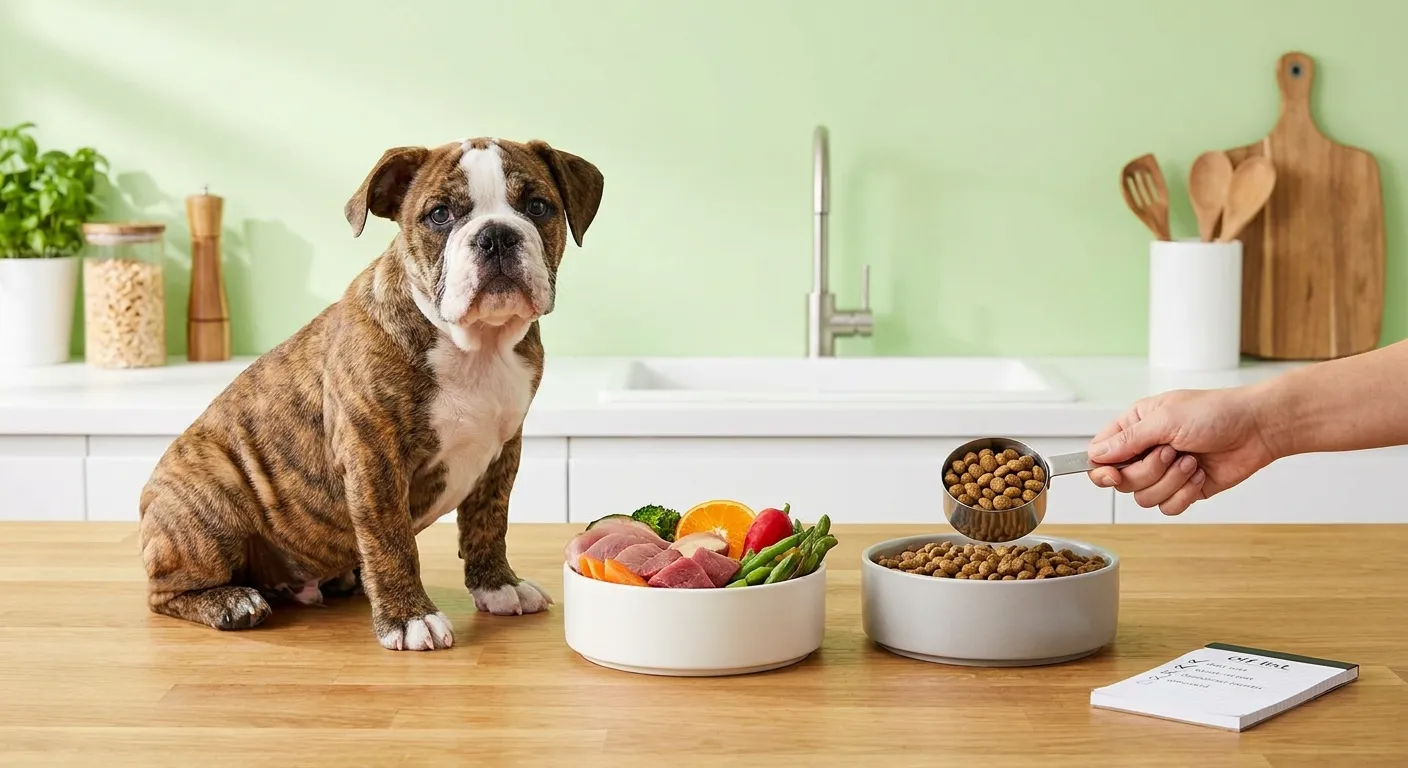
The Truth: Free-feeding (leaving food out all day) is a recipe for obesity in bulldogs. Their propensity to gain weight quickly can exacerbate joint issues and respiratory problems, which are already significant breed concerns. Scheduled meal times (typically 2-3 times a day for puppies) allow for portion control, help monitor appetite, and establish a routine. This proactive approach aligns with the holistic wellness trend, emphasizing physical health and preventive measures.
Myth 3: “Raw Diets are Always Best for Bulldogs.”
The Truth: While some owners advocate for raw feeding, it comes with significant risks, including bacterial contamination (posing a risk to both pet and human family members) and nutritional imbalances if not formulated by a veterinary nutritionist. Growing puppies have precise nutritional requirements, and an improperly balanced raw diet can lead to deficiencies or excesses that harm development. Always consult your vet before considering a raw diet.
Myth 4: “More Protein is Always Better for Growth.”
The Truth: While puppies need more protein than adult dogs for growth, excessive protein can be detrimental, especially for rapidly growing breeds. Overfeeding protein can put undue stress on a puppy’s kidneys and liver. The key is balance. Look for puppy formulas with appropriate protein levels (typically 25-30% on a dry matter basis) from high-quality sources. Your veterinarian can help you determine the ideal nutritional blueprint for your specific puppy, ensuring they receive the proper nutrients without overdoing it.
Understanding Your Bulldog Puppy’s Unique Nutritional Needs
Bulldogs, with their distinctive physical traits, require a diet tailored to their specific physiology. Their brachycephalic (short-nosed) structure can sometimes lead to difficulties with eating certain kibble shapes, making flat or round kibble often more suitable. Furthermore, their predisposition to allergies and sensitive stomachs means that novel protein sources or limited ingredient diets might be beneficial for some. Therefore, understanding these breed-specific factors is crucial when selecting the ideal nutrition for bulldog puppies.
As your puppy grows, their nutritional needs will change. For instance, a very young puppy will require more frequent meals and higher calorie density than an older, more established puppy. Monitoring their weight and body condition score regularly is paramount. Consult your veterinarian for guidance on appropriate feeding schedules and portion sizes as your puppy matures. This proactive approach helps prevent common bulldog health issues associated with improper feeding.
Choosing the Right Commercial Puppy Food
When searching for the best diet for bulldog puppies, selecting a high-quality commercial puppy food is often the safest and most convenient option. Look for brands that meet the nutritional adequacy standards set by the Association of American Feed Control Officials (AAFCO). This ensures the food provides a complete and balanced diet for growth. Specifically, choose formulas labeled for “growth” or “all life stages.”
Key ingredients to look for include a named animal protein source (e.g., chicken meal, lamb, salmon) as the first ingredient, healthy fats (like omega-3 and omega-6 fatty acids for skin and coat health), and complex carbohydrates. Avoid foods with excessive fillers, artificial colors, or preservatives. Reading ingredient labels carefully and researching brands can help you make an informed choice. It’s important to remember that not all puppy foods are created equal, and investing in a reputable brand can significantly impact your bulldog’s long-term health.
Homemade Diets: Proceed with Caution
Some owners consider homemade meals for their bulldog puppies. However, formulating a nutritionally complete and balanced homemade diet is incredibly complex. Without expert guidance from a veterinary nutritionist, there’s a high risk of creating deficiencies or excesses in essential vitamins and minerals. These imbalances can have severe, long-lasting consequences for a growing puppy’s development. For example, an incorrect calcium-to-phosphorus ratio can lead to skeletal deformities. Therefore, if you are considering a homemade approach, always work closely with a board-certified veterinary nutritionist to ensure your puppy receives everything they need. This personalized plan is essential for optimal health.
The Role of Supplements and Treats
Supplements are generally unnecessary if your bulldog puppy is on a high-quality, AAFCO-compliant commercial diet. However, in specific cases, your veterinarian might recommend certain supplements, such as probiotics for digestive health or joint support for breeds prone to orthopedic issues. Always consult your vet before adding any supplements to your puppy’s regimen, as too much of certain vitamins or minerals can be harmful.
Treats can be a valuable tool for training and bonding, but moderation is key. Choose healthy, low-calorie options and ensure they don’t make up more than 10% of your puppy’s daily caloric intake. Furthermore, avoid treats with artificial ingredients or excessive sugars. Remember, treats should complement the main diet, not replace it. For instance, small pieces of cooked lean meat or puppy-specific training treats are often good choices. You can find excellent options and advice on various chew toys that can also serve as enrichment.
Hydration: An Essential Component
Often overlooked, proper hydration is just as important as the food itself for your bulldog puppy’s health. Always ensure your puppy has access to fresh, clean water. Water bowls should be cleaned daily to prevent bacterial growth. Dehydration can lead to serious health problems, affecting everything from digestion to organ function. Therefore, encouraging your puppy to drink throughout the day is vital, especially after playtime or during warmer weather. Consider using stainless steel bowls, which are easy to clean and sanitize, promoting good hygiene.
Transitioning Your Puppy’s Diet
When you bring your new bulldog puppy home, it’s generally best to continue feeding them the same food they were eating at the breeder or shelter for the first few days. This helps minimize stress during an already significant transition. If you decide to change their food, do so gradually over 7-10 days. Start by mixing a small amount of the new food with their old food, slowly increasing the proportion of the new food each day. This gradual transition helps prevent digestive upset, such as diarrhea or vomiting. Moreover, observing your puppy’s stools and overall demeanor during this period is important. Any adverse reactions should prompt a slowdown in the transition or a consultation with your vet.
Addressing Common Digestive Issues
Bulldogs can be prone to sensitive stomachs, which can manifest as gas, diarrhea, or vomiting. If your puppy experiences digestive upset, first assess their diet and any recent changes. Sometimes, a simple change in food or treats can be the culprit. If symptoms persist or are severe, contact your veterinarian immediately. They can rule out underlying health issues, such as parasites, food allergies, or infections. Furthermore, they might recommend a bland diet, probiotics, or specific medications to help alleviate your puppy’s discomfort. Understanding what constitutes the best diet for bulldog puppies can help mitigate these issues.
Monitoring Weight and Growth
Regularly monitoring your bulldog puppy’s weight and growth is crucial for ensuring they are on the right nutritional path. Puppies should gain weight steadily but not rapidly. Obesity in bulldogs can lead to significant health problems, including joint issues, respiratory difficulties, and a shortened lifespan. Your veterinarian can help you establish a healthy growth curve and teach you how to assess your puppy’s body condition score. This involves feeling their ribs and observing their waistline from above. Adjusting food portions based on their growth and activity level is essential for maintaining a healthy weight. Tracking their progress can be a fun and informative part of their development.
The Importance of Veterinary Consultation
Ultimately, the most reliable source of information regarding the best diet for bulldog puppies is your veterinarian. Every puppy is an individual, and their specific needs can vary based on genetics, activity level, and overall health. Your vet can provide personalized recommendations, help diagnose any dietary sensitivities or allergies, and guide you through different life stages. They can also offer insights into the latest nutritional research and product recommendations. Establishing a strong relationship with your vet ensures your bulldog puppy receives optimal care throughout their life.
In conclusion, providing the best diet for bulldog puppies involves more than just filling a bowl. It requires understanding their breed-specific needs, debunking common myths, and making informed choices based on scientific evidence and veterinary advice. By focusing on high-quality, balanced nutrition, proper portion control, and consistent hydration, you are laying a strong foundation for a healthy, happy, and long life for your beloved bulldog. Remember, a healthy puppy grows into a healthy adult, and nutrition is a cornerstone of that journey. For more expert tips, visit our Blog section.
Frequently Asked Questions About Bulldog Puppy Diets
What kind of food should I feed my bulldog puppy?
You should feed your bulldog puppy a high-quality commercial puppy food specifically formulated for growth, meeting AAFCO standards. Look for a named animal protein as the first ingredient and avoid excessive fillers. Consult your vet for specific brand recommendations.
How often should I feed my bulldog puppy?
Bulldog puppies typically need to be fed 2-3 times a day. As they grow, you can transition to two meals a day. Scheduled meal times help with portion control and prevent obesity.
Are grain-free diets good for bulldog puppies?
Current veterinary research does not support grain-free diets for most dogs unless a specific grain allergy has been diagnosed. In fact, some studies suggest potential links to heart issues. A high-quality diet with grains is generally recommended.
Can bulldog puppies eat raw food?
Raw diets come with significant risks, including bacterial contamination and nutritional imbalances. Growing puppies have precise nutritional needs, and an improperly balanced raw diet can be detrimental. Always consult a veterinary nutritionist before considering a raw diet.
When should I switch my bulldog puppy to adult food?
Most bulldog puppies can transition to adult food between 10-12 months of age, though this can vary. Your veterinarian can advise you on the best time based on your puppy’s individual growth and development.