
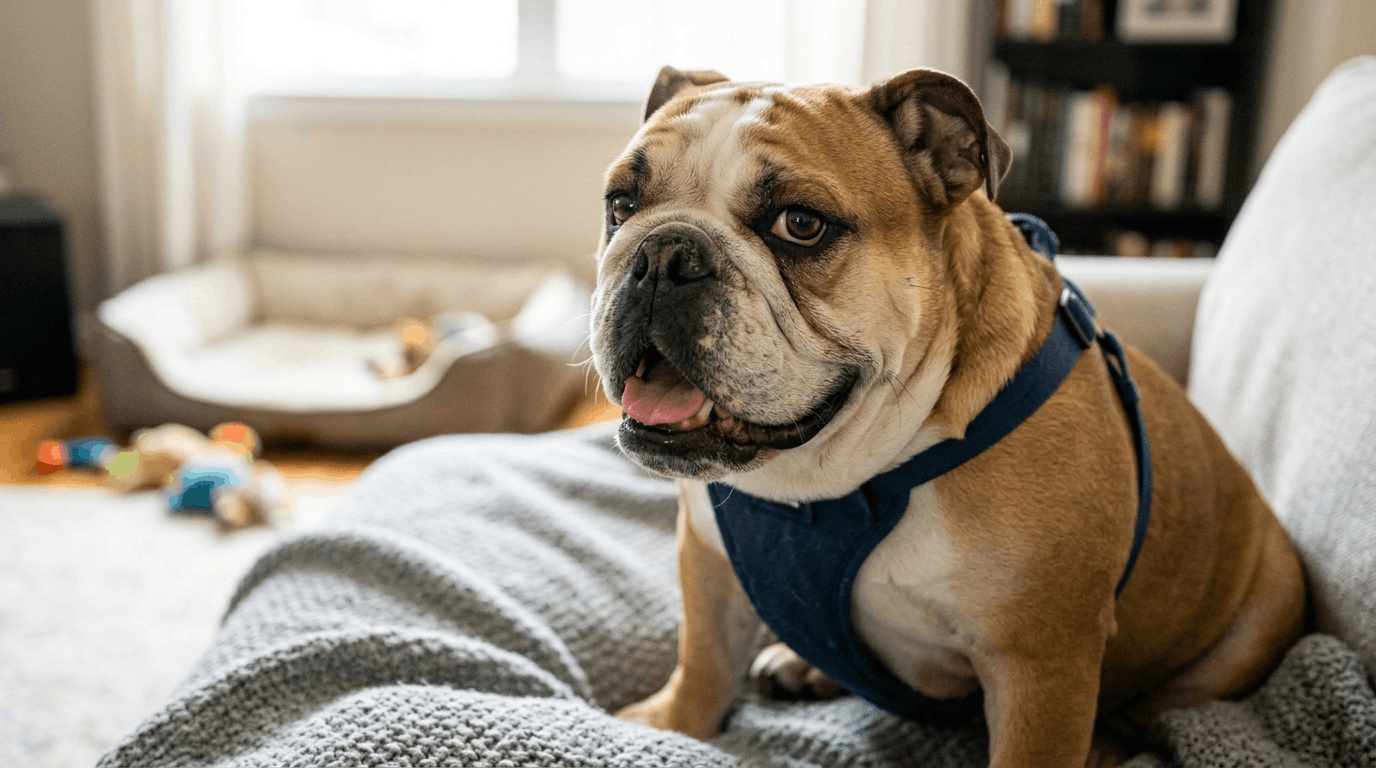
Bulldog brachycephalic syndrome treatment is something many owners eventually need to understand, especially if their dog struggles with breathing, snoring, or overheating. While bulldogs are known for their adorable flat faces, that same structure can create serious airway challenges. Fortunately, with the right approach, you can manage symptoms and improve your dog’s quality of life.
At first, these issues may seem minor, like loud snoring or occasional panting. However, they often worsen over time. Because of this, early awareness plays a key role in choosing the best bulldog brachycephalic syndrome treatment for your pet. The goal is not just relief, but long-term comfort and safety.
Understanding The Condition Behind The Treatment
Before diving into bulldog brachycephalic syndrome treatment, it helps to understand what is happening inside your dog’s airway. Bulldogs have shortened skulls, which means their soft tissues are crowded into a smaller space. As a result, airflow becomes restricted, making breathing harder than it should be.
Common physical issues include narrowed nostrils, an elongated soft palate, and sometimes a partially collapsed airway. These factors combine to create resistance when your dog breathes. Over time, this can lead to fatigue, overheating, and even dangerous respiratory distress.
Because the condition varies in severity, bulldog brachycephalic syndrome treatment is never one-size-fits-all. Some dogs need simple lifestyle adjustments, while others require medical or surgical support.
Recognizing When Treatment Is Needed
Many owners overlook early warning signs. However, spotting them early can make bulldog brachycephalic syndrome treatment more effective. For instance, loud breathing during rest is often the first clue that something is wrong.
You might also notice your bulldog struggling during exercise, avoiding activity, or panting excessively even in mild weather. In more serious cases, dogs may gag, choke, or collapse after exertion. These symptoms indicate that the airway is under significant stress.
Because of this, it is important to take these signs seriously. Early intervention can prevent complications and reduce the need for more invasive bulldog brachycephalic syndrome treatment later on.
Non-Surgical Treatment Options That Help
In many cases, bulldog brachycephalic syndrome treatment starts with simple, non-invasive changes. These adjustments focus on reducing stress on the airway and helping your dog breathe more comfortably.
Weight management is one of the most important steps. Excess weight puts added pressure on the chest and airway, making breathing even harder. By maintaining a healthy weight, you can significantly improve your dog’s breathing efficiency.
Temperature control is equally important. Bulldogs struggle in heat because they cannot cool themselves effectively. Keeping your home cool and avoiding midday walks can reduce the risk of overheating.
Additionally, switching to a harness instead of a collar can make a big difference. Collars place pressure on the neck, which can restrict airflow further. A harness allows your dog to move freely without compromising breathing.
These simple changes often form the foundation of bulldog brachycephalic syndrome treatment, especially for mild cases.
Medical Support And Ongoing Care
When lifestyle changes are not enough, veterinarians may recommend medical support as part of bulldog brachycephalic syndrome treatment. This can include medications that reduce inflammation in the airway or help manage secondary issues like infections.
In some cases, vets prescribe anti-inflammatory drugs or bronchodilators to improve airflow. While these do not fix the underlying structure, they can provide temporary relief and make breathing easier.
Regular check-ups are also essential. Over time, the condition can worsen, so monitoring your dog’s breathing helps ensure that the chosen bulldog brachycephalic syndrome treatment remains effective.
Moreover, managing stress plays a key role. Anxiety can increase breathing rate, which puts additional strain on the airway. Creating a calm environment helps reduce this risk.
When Surgery Becomes The Best Option
For moderate to severe cases, surgery is often the most effective bulldog brachycephalic syndrome treatment. Although the idea may sound intimidating, these procedures are common and can dramatically improve your dog’s quality of life.
One of the most frequent surgeries involves widening the nostrils. This allows more air to enter the nasal passages, reducing breathing effort. Another common procedure shortens the soft palate, preventing it from blocking the airway.
In more advanced cases, additional procedures may address airway collapse or remove obstructive tissue. While recovery requires careful monitoring, many dogs show immediate improvement after surgery.
Because of this, veterinarians often recommend surgical bulldog brachycephalic syndrome treatment when symptoms interfere with daily life. Early surgery can also prevent long-term damage to the airway.
Recovery And Long-Term Management
After surgery or medical intervention, ongoing care remains important. Bulldog brachycephalic syndrome treatment does not end once symptoms improve. Instead, it becomes part of your dog’s long-term health routine.
During recovery, rest and limited activity are essential. Your dog may need a soft diet and a calm environment to heal properly. Following your vet’s instructions ensures the best outcome.
Even after successful treatment, you should continue managing weight, avoiding heat, and monitoring breathing. These habits help maintain the benefits of bulldog brachycephalic syndrome treatment over time.
Additionally, regular vet visits allow early detection of any recurring issues. This proactive approach keeps your dog comfortable and reduces the risk of complications.
Simple Everyday Tips That Make A Big Difference
While medical care plays a major role, small daily habits can enhance bulldog brachycephalic syndrome treatment. For example, keeping your dog hydrated supports overall respiratory health. Proper hydration helps maintain healthy tissues and reduces strain on the body.
Short, controlled walks are also beneficial. Instead of long, intense exercise sessions, choose brief walks during cooler hours. This approach minimizes stress on the airway while still supporting fitness.
Using elevated food bowls can help some dogs breathe more easily while eating. Additionally, avoiding overexcitement during playtime reduces the risk of sudden breathing difficulties.
These simple strategies, when combined with proper bulldog brachycephalic syndrome treatment, create a safer and more comfortable lifestyle for your pet.
Why Early Action Matters Most
One of the biggest mistakes owners make is waiting too long. Bulldog brachycephalic syndrome treatment is most effective when started early. As the condition progresses, the airway can become more damaged, making treatment more complex.
Early intervention reduces the risk of emergencies, such as heatstroke or airway collapse. It also improves your dog’s overall energy levels and comfort.
Furthermore, early treatment often means less invasive solutions. Instead of surgery, some dogs can thrive with lifestyle adjustments and medical support alone.
Because of this, paying attention to subtle changes in breathing can make a significant difference. Acting early ensures that bulldog brachycephalic syndrome treatment delivers the best possible results.
Conclusion
Bulldog brachycephalic syndrome treatment may sound complex, but it becomes much easier when broken down into simple steps. By understanding the condition, recognizing early signs, and choosing the right combination of care, you can dramatically improve your dog’s quality of life.
Whether your bulldog needs minor adjustments or advanced medical support, the key is consistency. With proper care, attention, and guidance from your vet, your dog can live a happy, comfortable life despite the challenges of this condition. Taking action today ensures a healthier tomorrow for your bulldog.
FAQ
1. What are the early signs of breathing issues in bulldogs?
Early signs include loud snoring, heavy panting, and difficulty exercising. These symptoms often appear gradually and should not be ignored.
2. Can lifestyle changes really help breathing problems?
Yes, weight control, avoiding heat, and using a harness can significantly improve breathing comfort in many cases.
3. Is surgery always necessary for this condition?
Not always. Mild cases may respond well to non-surgical care, while more severe cases benefit from surgical correction.
4. How long does recovery take after airway surgery?
Recovery usually takes a few weeks, although many dogs show improvement within days after the procedure.
5. How can I prevent symptoms from getting worse?
Monitor your dog’s breathing, avoid overheating, maintain a healthy weight, and follow your vet’s recommendations closely.