
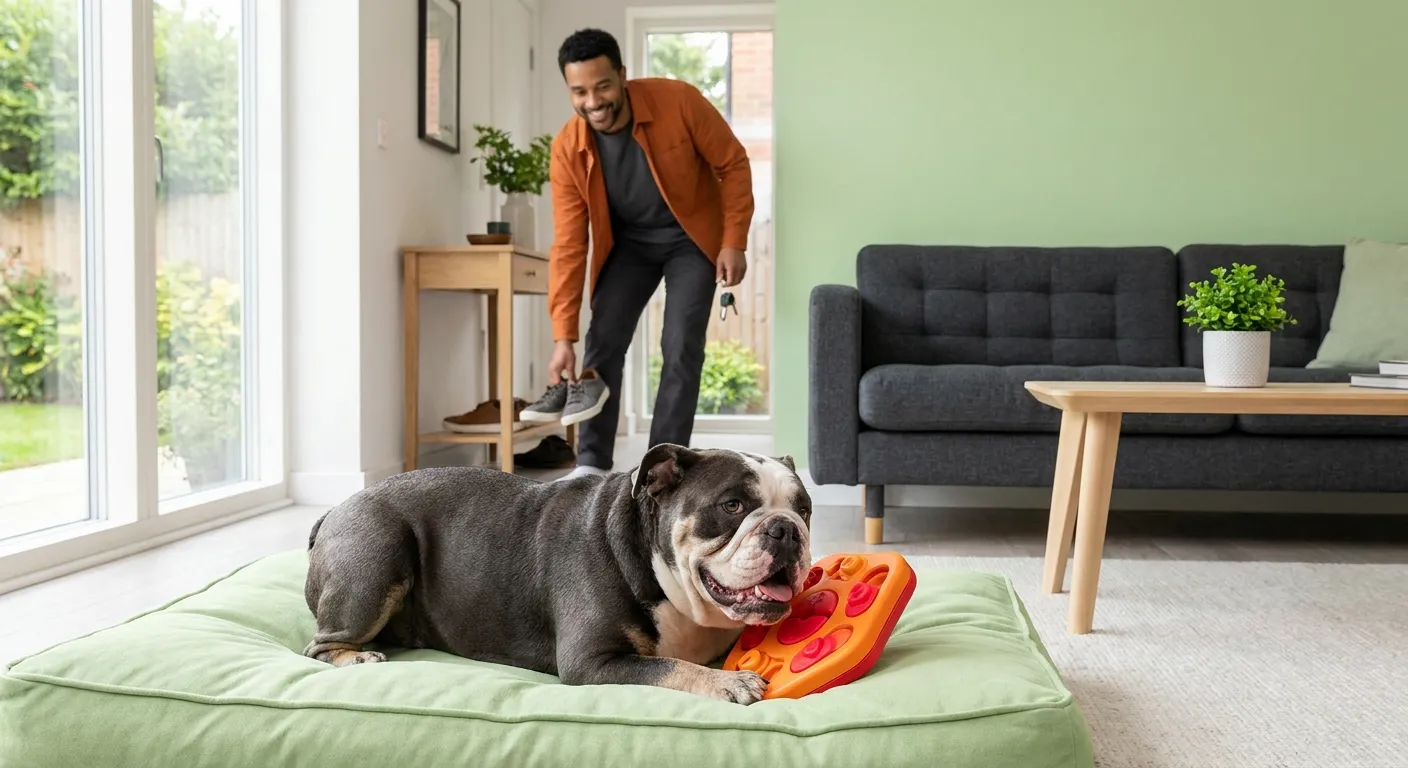
Bulldogs are known for their affectionate nature. They often form strong bonds with their families. While this devotion is endearing, it can sometimes lead to challenges. This is particularly true concerning Bulldog separation anxiety. This condition arises when a bulldog experiences distress when left alone. It manifests in various behaviors that can be difficult for both pet and owner. Understanding the root causes and implementing preventative measures early can significantly improve your bulldog’s well-being and your peace of mind.
Recognizing the Signs of Bulldog Separation Anxiety
Identifying the symptoms of separation anxiety is the first step toward effective management. Unlike general mischief, these behaviors typically occur only when you are absent or preparing to leave. Common signs include excessive barking or howling. Furthermore, destructive chewing, especially around exits or personal items, is a clear indicator. Inappropriate urination or defecation indoors, pacing, or excessive drooling are also common. Some bulldogs may even attempt to escape, potentially injuring themselves in the process. Observing your dog’s behavior through a pet camera can provide valuable insights. This helps differentiate anxiety from other issues when you’re not home.
Proactive Strategies to Prevent Bulldog Separation Anxiety
Prevention is always better than cure. For Bulldog separation anxiety, early intervention and consistent training are key. Start by gradually acclimating your bulldog to being alone for short periods. Begin with just a few minutes, then slowly increase the duration. Moreover, create a ‘safe space’ for your bulldog. This could be a crate or a specific room. They should feel secure there and have access to comfort items and stimulating toys, like puzzle feeders, to keep them occupied. Avoid making a big fuss when you leave or return. This helps to normalize your departures and arrivals, reducing the emotional intensity for your dog. Consider integrating ‘mock departures’. Here, you go through your leaving routine but don’t actually leave. Alternatively, leave for only a minute, returning calmly. This desensitizes them to your cues and reduces anticipatory anxiety. Regular, appropriate exercise before you leave can also help burn off excess energy and promote a calm state.
Understanding the Roots of Separation Distress in Bulldogs
Several factors can contribute to a bulldog developing separation distress. Genetics can play a role, as some breeds are more prone to anxiety. However, environmental factors are often more significant. A sudden change in routine, for example, can trigger it. This might include a new work schedule, a move to a new home, or the loss of a family member. Bulldogs thrive on routine. Therefore, any disruption can be unsettling. A lack of proper socialization during puppyhood can also contribute. This makes them overly reliant on human companionship. Furthermore, past traumatic experiences, such as being rehomed or abandoned, can heighten the risk. It is crucial to consider these underlying causes when addressing your bulldog’s needs.
Creating a Secure Environment for Your Bulldog
A secure environment is fundamental in preventing and managing separation issues. A designated ‘den’ or safe space is highly beneficial. This could be a comfortable crate, a dog bed in a quiet room, or a playpen. Ensure this space is associated with positive experiences. For instance, feed them meals there or give them special treats. Furthermore, provide comfort items like a blanket with your scent. This can offer reassurance when you are away. Interactive toys, such as KONGs stuffed with peanut butter or treats, can keep them engaged. This distracts them from your absence. The goal is to make their alone time enjoyable and stress-free. This approach helps reduce the severity of Bulldog separation anxiety.
The Importance of Routine and Predictability
Bulldogs thrive on routine. A predictable schedule helps them feel secure and understand what to expect. Establish consistent times for feeding, walks, playtime, and potty breaks. This consistency minimizes uncertainty, which can be a significant trigger for anxiety. For instance, if your bulldog knows when their next walk or meal is, they may be less anxious about your temporary absence. Introducing your departure cues gradually into this routine can also be helpful. For example, pick up your keys or put on your coat at various times throughout the day, not just when you’re leaving. This desensitizes them to these actions. This strategy is vital for preventing Bulldog separation anxiety.
Training for Independence: Gradual Departures
Training your bulldog for independence involves a series of gradual steps. Start by leaving your bulldog alone for very short periods. These might be just a few minutes while you step outside. Slowly increase the duration over days or weeks. Initially, stay within earshot. This allows you to monitor their reaction. Always return calmly, without making a big fuss. This reinforces that your departures are not a cause for alarm. It is also beneficial to practice ‘mock departures’ frequently. This means going through your leaving routine—grabbing keys, putting on shoes—but not actually leaving. This helps desensitize your bulldog to these triggers. Consistency is key to success in managing Bulldog separation anxiety.
Exercise and Mental Stimulation: Key to Calmness
Adequate exercise and mental stimulation are critical for preventing anxiety in bulldogs. A tired bulldog is often a calm bulldog. Ensure your bulldog gets regular walks and playtime before you leave them alone. This helps burn off excess energy. It also promotes a relaxed state. Mental stimulation is equally important. Puzzle toys, snuffle mats, and training sessions can keep their minds engaged. A bored bulldog is more likely to develop destructive behaviors or exhibit signs of anxiety. Therefore, providing engaging activities can significantly reduce the likelihood of Bulldog separation anxiety. Consider a brisk walk followed by a short training session before your departure.
Professional Help for Severe Cases of Separation Anxiety
While many cases of separation anxiety can be managed with consistent training and environmental adjustments, some bulldogs may require professional intervention. If your bulldog exhibits severe symptoms, such as self-harm, constant destructive behavior, or extreme distress, consulting a veterinarian or a certified professional dog trainer specializing in behavior is essential. They can offer tailored strategies. Additionally, they might recommend medication in conjunction with behavior modification. This can help alleviate severe anxiety symptoms. Never hesitate to seek expert advice. This ensures your bulldog receives the best possible care for their Bulldog separation anxiety.
The Role of Nutrition and Health in Managing Anxiety
A balanced diet and good overall health play a significant role in your bulldog’s emotional well-being. Ensure your bulldog is receiving high-quality dog food. This supports their physical and mental health. Certain nutritional deficiencies can exacerbate anxiety. Furthermore, underlying medical conditions can sometimes mimic or worsen anxiety symptoms. For instance, pain or discomfort can make a bulldog more prone to stress. Regular veterinary check-ups are crucial. They can rule out any health issues contributing to their distress. Discuss any concerns about anxiety with your vet. They can provide guidance on diet or potential supplements. This holistic approach helps address Bulldog separation anxiety more effectively.
Building Confidence and Resilience in Your Bulldog
Fostering confidence and resilience in your bulldog is a long-term goal. This helps them cope better with being alone. Engage in positive reinforcement training. This builds a strong bond and teaches them new skills. Obedience training, for example, can boost their self-esteem. It also provides mental stimulation. Expose your bulldog to various positive experiences and environments. This helps them adapt to new situations. Gradually introduce them to short periods with trusted pet sitters or at doggy daycare. This helps them learn that being away from you can be a positive experience. Building this resilience is key to mitigating Bulldog separation anxiety in the long run.
Long-Term Management and Continued Support
Managing separation distress is an ongoing process. It requires patience and consistency. Even after significant improvement, occasional setbacks can occur. Maintain a consistent routine. Continue to reinforce positive behaviors. Be mindful of potential triggers, such as changes in your schedule or environment. Regularly reassess your bulldog’s needs. Adjust your strategies as they grow and mature. Consider enrolling in advanced obedience classes. This further strengthens your bond. Moreover, it provides continued mental stimulation. Remember that every bulldog is unique. What works for one may not work for another. Continuous support and understanding are paramount. This ensures your bulldog leads a happy, anxiety-free life, free from the grips of Bulldog separation anxiety.
In conclusion, addressing Bulldog separation anxiety requires patience, consistency, and a proactive approach. By understanding the signs and implementing preventative strategies, you can help your beloved bulldog develop independence and feel secure, whether you’re home or away. Remember, a calm bulldog is a happy bulldog, and a little preparation goes a long way in fostering their emotional health. For further reading on canine behavior, consider resources from reputable organizations like the ASPCA or the American Kennel Club.
Frequently Asked Questions About Bulldog Separation Issues
What are the first signs of separation distress in bulldogs?
The first signs often include excessive barking or howling when left alone. You might also notice destructive chewing, especially on doors or windows. Inappropriate urination or defecation indoors, specifically when you’re absent, is another common indicator. Pacing and excessive drooling can also signal distress.
How can I prepare my bulldog puppy to prevent anxiety when alone?
Start early by gradually acclimating your puppy to short periods of alone time. Create a comfortable, safe space for them, like a crate. Provide engaging toys to keep them occupied. Avoid making a big deal out of your departures and arrivals. This helps normalize your absence.
Are certain bulldogs more prone to anxiety when left alone?
While all bulldogs can experience this, individual temperament and past experiences play a significant role. Bulldogs with a history of abandonment or those who haven’t been properly socialized might be more susceptible to developing distress when alone.
Can diet affect my bulldog’s anxiety levels?
Yes, diet can influence overall well-being. A balanced, high-quality diet supports brain health. Certain nutritional deficiencies can potentially exacerbate anxiety. Consult your vet about your bulldog’s diet if you have concerns.
When should I seek professional help for my bulldog’s separation issues?
If your bulldog exhibits severe symptoms like self-harm, constant destructive behavior that poses a risk, or extreme, prolonged distress, seek professional help. A veterinarian or a certified behaviorist can offer tailored strategies, and possibly medication, to help manage the condition.