Bulldogs are lovable, loyal, and full of personality, yet their unique appearance also makes them highly prone to skin issues. Wrinkles, short coats, compact bodies, and sensitive immune systems often create the perfect conditions for irritation, infection, and chronic discomfort. Many owners feel overwhelmed when redness, itching, odor, or rashes suddenly appear. Fortunately, most bulldog skin problems improve significantly once owners understand the causes and respond quickly with proper care.
Skin problems in Bulldogs rarely disappear without attention. Minor irritation can quickly develop into painful infections if moisture, bacteria, or allergens remain trapped against the skin. Because Bulldogs have many folds and creases, skin maintenance becomes a critical part of everyday care.
Learning how to identify bulldog skin problems early helps owners prevent severe flare-ups while improving comfort, behavior, and overall health. Small daily habits often make the biggest difference long-term.
Why Bulldogs Develop Skin Issues So Easily
Bulldogs naturally face more skin challenges than many other breeds.
Their loose wrinkles trap heat, moisture, bacteria, food particles, and debris easily. Additionally, Bulldogs often inherit sensitive skin and allergy tendencies genetically. These factors combine to create ongoing irritation if owners do not maintain proper hygiene and prevention routines.
Bulldogs also have shorter coats and delicate skin barriers. As a result, environmental allergens, shampoos, food sensitivities, and humidity may trigger stronger reactions compared to less sensitive breeds.
Because of these physical traits, bulldog skin problems often require consistent management instead of occasional treatment only.
Wrinkle Infections Are Extremely Common
Skin fold infections remain one of the most frequent bulldog health concerns.
Moisture trapped inside wrinkles creates warm conditions where yeast and bacteria multiply rapidly. Facial folds especially become irritated when saliva, tears, dirt, or food collect regularly.
Owners may notice redness, odor, sticky discharge, swelling, or excessive scratching around folds. In severe cases, skin becomes painful and inflamed quickly.
Daily wrinkle cleaning helps prevent many bulldog skin problems before infections develop fully. Soft cloths, gentle cleansers, and thorough drying make a major difference.
Keeping wrinkles dry matters just as much as cleaning them.
Allergies Trigger Many Skin Reactions
Bulldogs frequently suffer from allergies.
Food allergies, environmental allergens, grasses, dust mites, pollen, cleaning products, and even certain fabrics may trigger skin irritation. Allergic reactions often appear as itching, licking, ear infections, redness, or inflamed paws.
Some Bulldogs scratch constantly while others rub their faces against furniture or chew their feet obsessively.
Bulldog skin problems connected to allergies usually require careful observation to identify patterns and triggers properly.
Owners often benefit from keeping notes about diet changes, seasonal flare-ups, or environmental exposure.
Food Sensitivities Affect Skin Health
Diet influences skin condition significantly.
Low-quality ingredients, artificial additives, fillers, or protein sensitivities sometimes contribute to inflammation and itching. Certain Bulldogs react poorly to common ingredients such as chicken, dairy, wheat, soy, or beef.
Digestive issues sometimes appear alongside skin symptoms. Chronic ear infections, loose stool, gas, or frequent licking may signal food sensitivities as well.
Owners should introduce dietary changes gradually while monitoring skin reactions carefully.
High-quality diets rich in omega fatty acids often support healthier skin barriers naturally.
Hot Spots Develop Quickly in Bulldogs
Hot spots are painful areas of inflamed skin caused by excessive licking, scratching, or moisture buildup.
These irritated patches often appear suddenly and worsen fast. Bulldogs may develop hot spots after allergies, insect bites, excessive moisture, or skin irritation.
Affected areas usually appear red, wet, swollen, and sensitive to touch. Dogs often lick the area constantly, which worsens inflammation further.
Fast treatment helps prevent bulldog skin problems from becoming severe infections.
Keeping affected areas clean and dry remains extremely important during healing.
Yeast Infections Thrive in Moist Skin Folds
Yeast naturally exists on canine skin, yet excessive moisture allows overgrowth rapidly.
Bulldogs commonly develop yeast infections inside facial folds, armpits, paws, ears, and tail pockets. Symptoms often include strong odor, greasy skin, redness, and intense itching.
Darkened skin sometimes develops during chronic yeast infections as well.
Regular drying after baths, outdoor play, or humid weather helps reduce moisture buildup significantly.
Owners managing bulldog skin problems should pay close attention to odor changes because yeast often produces a strong musty smell.
Tail Pocket Infections Cause Hidden Discomfort
Some Bulldogs have tightly curled tails that create deep tail pockets underneath.
These hidden skin folds easily trap bacteria, moisture, and debris. Unfortunately, many owners overlook this area until serious irritation develops.
Signs often include scooting, licking, foul odor, swelling, redness, or sensitivity around the tail.
Tail pocket cleaning should become part of regular hygiene routines for Bulldogs with deep folds.
Ignoring this area may lead to painful infections requiring veterinary treatment.
Dry Skin Creates Constant Irritation
Dry skin affects Bulldogs more than many owners realize.
Harsh shampoos, overbathing, indoor heating, low humidity, poor nutrition, or allergies may strip natural oils from the skin. Dry skin often causes flaking, itching, redness, and dull coats.
Bulldog skin problems linked to dryness usually improve with gentler grooming routines and better hydration support.
Owners should choose moisturizing shampoos designed specifically for sensitive dogs.
Bathing too frequently may worsen dryness instead of helping.
Poor Grooming Habits Increase Skin Problems
Bulldogs require consistent skin maintenance.
Some owners assume short-haired dogs need minimal grooming, yet Bulldogs need regular cleaning because of their folds and sensitive skin. Dirt, allergens, oils, and bacteria build up quickly without proper care.
Regular grooming also helps owners detect early warning signs before infections worsen.
Checking wrinkles, paws, ears, belly folds, and tail pockets routinely helps prevent many bulldog skin problems from escalating.
Ear Infections Often Connect to Skin Allergies
Bulldogs with chronic skin irritation frequently develop ear infections too.
Inflammation affecting the skin often impacts the ears because allergic reactions trigger widespread immune responses. Owners may notice head shaking, scratching, redness, odor, or wax buildup.
Recurring ear infections sometimes indicate deeper allergy issues rather than isolated ear problems alone.
Treating the underlying cause helps reduce repeated flare-ups long-term.
Paw Licking Signals Underlying Irritation
Excessive paw licking rarely happens without reason.
Bulldogs commonly lick their paws because of allergies, yeast infections, irritation, or environmental sensitivities. Moisture trapped between paw pads may also encourage bacterial growth.
Owners should inspect paws regularly for redness, odor, swelling, or discoloration.
Bulldog skin problems affecting the paws often worsen quickly because constant licking prevents healing properly.
Environmental Factors Matter More Than Expected
Humidity, heat, pollen, dust, mold, and household chemicals can all affect sensitive Bulldog skin.
Warm weather especially increases moisture buildup inside wrinkles and skin folds. Seasonal allergies may also trigger major flare-ups during spring or fall.
Owners should keep Bulldog living spaces clean, dry, and well-ventilated whenever possible.
Gentle detergents, fragrance-free cleaning products, and proper air circulation sometimes improve skin comfort significantly.
Stress Can Worsen Skin Conditions
Stress affects skin health surprisingly often.
Anxious or stressed Bulldogs sometimes lick, scratch, or chew themselves excessively. Chronic stress may also weaken immune function, making infections harder to control.
Dogs thrive in calm, structured environments with predictable routines and proper exercise.
Managing stress helps support healthier skin naturally while reducing behavioral triggers that worsen irritation.
The Importance of Proper Bathing
Bathing routines greatly influence skin health.
Some owners bathe Bulldogs too often, while others wait too long between cleanings. Both extremes may contribute to irritation and odor buildup.
Most Bulldogs benefit from gentle bathing every few weeks depending on activity level and skin sensitivity. However, wrinkle cleaning should happen far more frequently.
Bulldog skin problems improve when owners use mild shampoos free from harsh fragrances, alcohol, or irritating chemicals.
Omega Fatty Acids Support Healthier Skin
Nutrition directly affects the skin barrier.
Omega-3 and omega-6 fatty acids help support hydration, reduce inflammation, and improve coat condition naturally. Fish oil supplements sometimes benefit Bulldogs struggling with chronic dryness or irritation.
However, owners should consult veterinarians before introducing new supplements regularly.
Balanced nutrition often improves overall skin resilience gradually over time.
Watch for Secondary Infections
Untreated irritation often leads to secondary bacterial infections.
Once Bulldogs scratch or lick damaged skin repeatedly, bacteria enter more easily. Symptoms may include pus, swelling, odor, hair loss, crusting, or painful sores.
Fast intervention prevents bulldog skin problems from becoming severe medical concerns.
Owners should seek veterinary care if irritation spreads rapidly or fails to improve within several days.
Prevention Always Works Better Than Treatment
Preventative care reduces both stress and long-term expenses.
Daily wrinkle checks, proper nutrition, consistent grooming, clean bedding, and regular skin inspections help owners catch problems early before major infections develop.
Simple maintenance routines often prevent painful flare-ups entirely.
Bulldogs thrive when owners stay proactive instead of reacting only after symptoms become severe.
When Veterinary Help Becomes Necessary
Some skin problems require professional treatment.
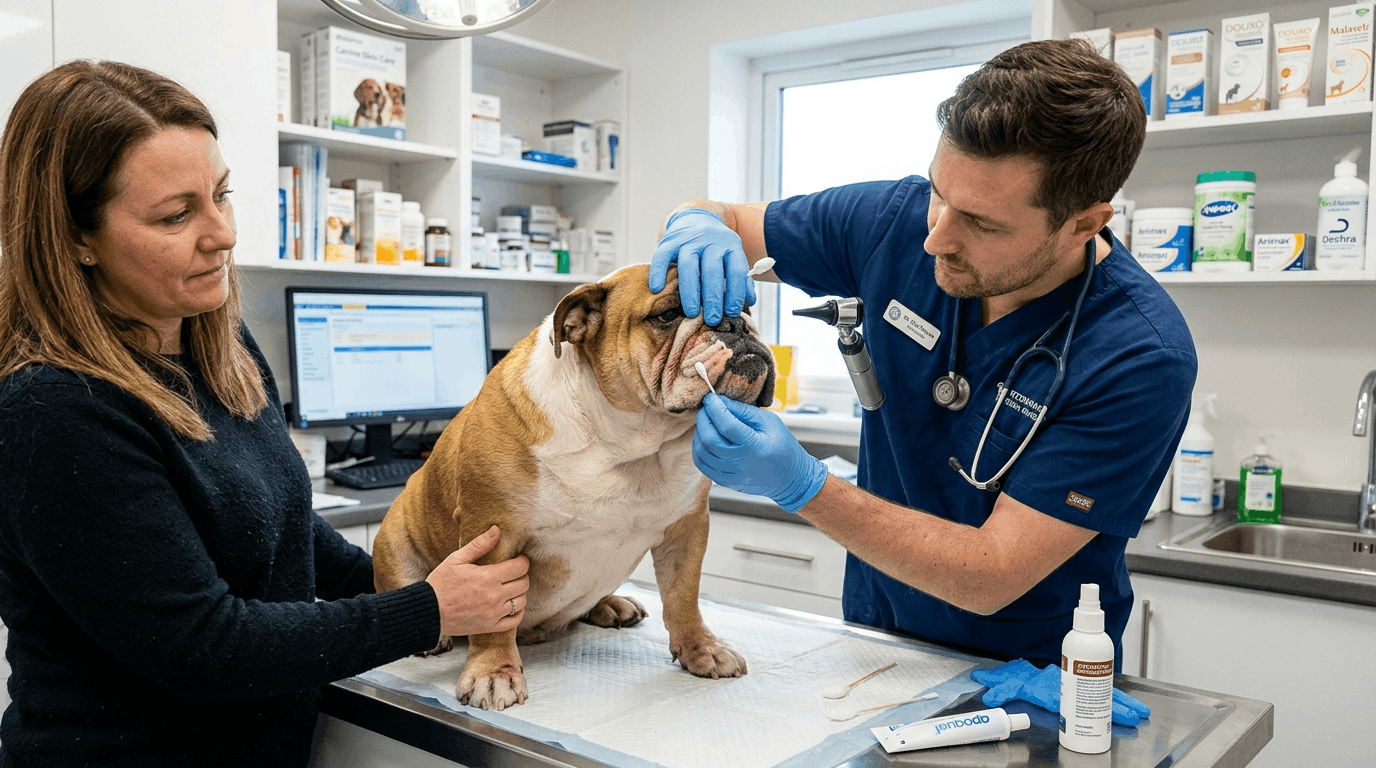
Persistent itching, recurring infections, bleeding sores, severe odor, swelling, or widespread hair loss may indicate deeper medical conditions requiring veterinary evaluation.
Bulldogs sometimes need allergy management plans, medicated shampoos, antibiotics, antifungal medications, or dietary guidance.
Early treatment usually prevents more serious complications later.
Bulldogs are incredibly affectionate companions, yet their unique physical features make skin care an essential part of daily ownership. Wrinkles, allergies, moisture buildup, and sensitive skin often combine to create recurring irritation if owners do not stay proactive. Fortunately, most bulldog skin problems improve significantly through consistent hygiene, balanced nutrition, gentle grooming, and early intervention. Owners who understand the warning signs can respond quickly before minor irritation turns into painful infection. With proper care, Bulldogs can enjoy healthier skin, greater comfort, and a much happier quality of life overall.
FAQ
1. Why do Bulldogs get skin infections so often?
Wrinkles trap moisture and bacteria easily, which increases the risk of irritation and infection.
2. How often should I clean my Bulldog’s wrinkles?
Most Bulldogs benefit from wrinkle cleaning at least once daily.
3. Can food allergies cause itching in Bulldogs?
Yes, food sensitivities commonly trigger skin irritation, paw licking, and chronic itching.
4. What helps prevent yeast infections naturally?
Keeping skin folds clean and completely dry helps reduce yeast overgrowth significantly.
5. When should I see a vet for skin irritation?
Seek veterinary care if redness, odor, swelling, or itching becomes severe or persistent.