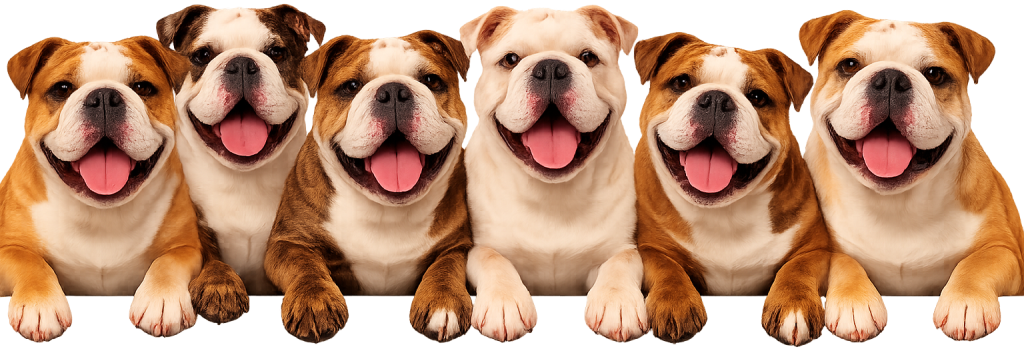
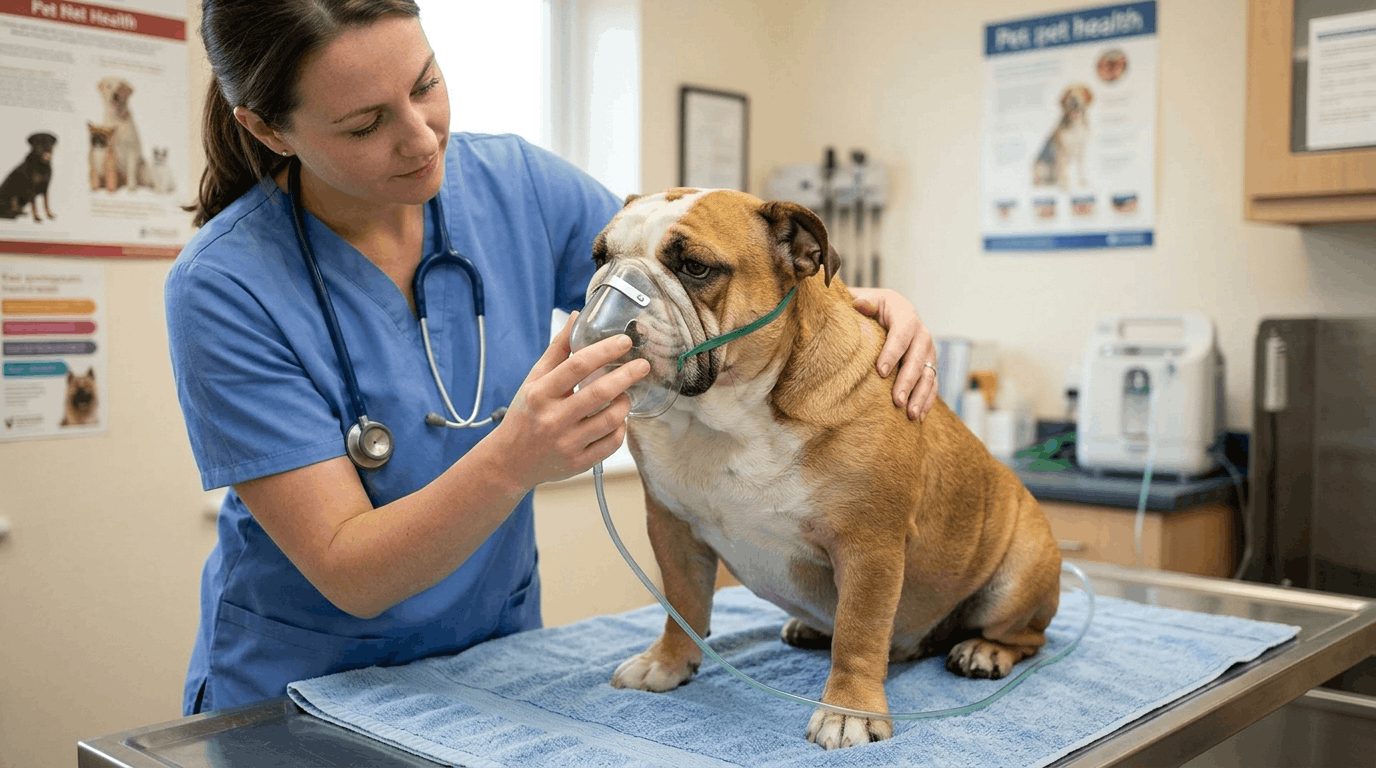
If you want to help bulldog breathe better, you need to understand that breathing issues are common with this breed. Bulldogs have short snouts, which makes airflow more restricted than in other dogs. Because of this, even normal activities can sometimes lead to heavy breathing or discomfort. However, the good news is that simple changes can make a noticeable difference starting today.
Many owners feel worried when their dog struggles to breathe comfortably. While some cases require professional care, most situations improve with better daily habits. When you consistently help bulldog breathe better through small adjustments, you reduce stress for both you and your dog. Over time, these changes create a calmer and healthier routine.
Why Bulldogs Struggle With Breathing
To help bulldog breathe better, it is important to understand the root cause. Bulldogs are brachycephalic, meaning they have shortened airways. This structure limits airflow and makes breathing less efficient.
Because of this, bulldogs may snore, pant heavily, or tire quickly. These signs can feel alarming, especially for new owners. However, they are often part of the breed’s natural anatomy.
That said, poor conditions can worsen these issues. Heat, excess weight, and stress all increase breathing difficulty. Therefore, managing these factors is essential if you want to improve your dog’s comfort.
Keep Your Bulldog Cool And Comfortable
Temperature plays a major role in breathing. To help bulldog breathe better, keeping your dog cool is one of the simplest and most effective steps.
Bulldogs do not tolerate heat well. Even mild warmth can make breathing more difficult. Therefore, keep your home well ventilated and avoid hot outdoor conditions.
Walk your dog during cooler parts of the day, such as early morning or evening. In addition, always provide access to shade and fresh water.
By controlling temperature, you reduce strain on your dog’s airway and improve overall comfort.
Maintain A Healthy Weight
Weight management is another key factor. Extra weight puts pressure on your dog’s body, including the respiratory system. If you want to help bulldog breathe better, maintaining a healthy weight is essential.
Even a small reduction in weight can improve breathing. Overweight bulldogs often show more severe symptoms, such as heavy panting or reduced stamina.
Focus on balanced feeding and regular activity. Avoid overfeeding and monitor portion sizes carefully.
By keeping your dog at a healthy weight, you reduce unnecessary strain and support better breathing.
Use The Right Walking Equipment
The equipment you use can directly affect your dog’s breathing. To help bulldog breathe better, avoid anything that puts pressure on the neck.
Collars can restrict airflow, especially if your dog pulls. Instead, use a well-fitted harness that distributes pressure across the chest. This allows your dog to move comfortably without compressing the airway.
In addition, keep walks relaxed and controlled. Avoid forcing your dog to move too quickly, especially in warm conditions.
By choosing the right equipment, you create a safer and more comfortable walking experience.
Create A Calm Environment At Home
Stress and excitement can increase breathing difficulty. Therefore, creating a calm environment is an important step to help bulldog breathe better.
Excitement often leads to rapid breathing, which can become uncomfortable for bulldogs. While play is important, balance it with calm periods.
Provide a quiet resting space where your dog can relax. Avoid loud or chaotic environments that may trigger stress.
By promoting calm behavior, you help regulate breathing and reduce strain.
Clean And Care For Facial Folds Properly
Bulldog wrinkles can trap moisture and bacteria. While this mainly affects skin, it can also impact breathing if irritation spreads. To help bulldog breathe better, maintain proper hygiene.
Clean the folds gently using safe products. After cleaning, dry the area thoroughly to prevent buildup.
Regular care reduces irritation and supports overall health. In turn, this helps your dog stay comfortable and breathe more easily.
Consistency is key, so make this part of your routine.
Adjust Exercise To Your Dog’s Limits
Exercise is important, but it must be appropriate. To help bulldog breathe better, avoid intense or prolonged activity.
Short, moderate walks are more suitable than long, exhausting sessions. Watch your dog closely and stop if you notice heavy panting.
In addition, allow frequent breaks during activity. This prevents overheating and reduces strain on the airway.
By adjusting exercise levels, you support both fitness and breathing comfort.
Improve Indoor Air Quality
Air quality has a direct impact on breathing. To help bulldog breathe better, ensure your home environment is clean and well ventilated.
Dust, smoke, and strong scents can irritate your dog’s airway. Therefore, keep living areas clean and avoid using harsh chemicals.
Air circulation also matters. Fresh air helps maintain a comfortable environment and reduces respiratory irritation.
By improving air quality, you create a healthier space for your dog.
Recognize When Breathing Needs Attention
While daily care helps, it is important to recognize warning signs. If you want to help bulldog breathe better, you need to know when something is not normal.
Signs such as excessive panting, blue gums, or difficulty breathing require immediate attention. In these cases, professional care is essential.
Do not ignore persistent symptoms. Early action can prevent more serious issues.
By staying aware, you protect your dog’s health and well-being.
Build A Consistent Daily Routine
Consistency makes everything easier. When you help bulldog breathe better through routine, you reduce stress and improve results.
Feed your dog at regular times, maintain a comfortable environment, and keep activity levels balanced. These habits create stability and support overall health.
In addition, routine reduces uncertainty. You know what your dog needs each day, which makes care more manageable.
Over time, these consistent actions lead to noticeable improvements.
Conclusion
When you help bulldog breathe better, you are improving more than just airflow. You are creating a healthier, calmer, and more comfortable life for your dog. By focusing on temperature control, weight management, proper equipment, and consistent routines, you can reduce strain and support better breathing every day.
Although bulldogs have natural limitations, they can still live happy and comfortable lives with the right care. Instead of feeling overwhelmed, focus on simple, effective steps that make a real difference. With patience and consistency, you will see improvements that benefit both you and your dog.
FAQ
- Why do bulldogs have breathing problems?
Their short snouts and narrow airways make airflow more restricted than other breeds. - Can exercise worsen breathing issues?
Yes, intense activity can increase strain, so moderate exercise is recommended. - Is a harness better than a collar?
A harness reduces pressure on the neck and supports easier breathing. - How can I tell if my dog is overheating?
Look for heavy panting, drooling, or lethargy, especially in warm conditions. - When should I see a vet for breathing concerns?
Seek help if your dog shows persistent or severe difficulty breathing.