Bringing a bulldog puppy home is an exciting adventure. Laying the groundwork for good behavior early on is key to a harmonious relationship. Learning how to train bulldog puppy basics from the start sets your new companion up for success. This fosters confidence, good manners, and a strong bond with you. Bulldogs, despite their sometimes stubborn reputation, are intelligent and eager to please. This is true when approached with patience, consistency, and positive reinforcement. This guide will provide actionable steps for foundational training. We will focus on essential commands, potty training, and crucial socialization.
The Importance of Early Training and Socialization
The period between 8 and 16 weeks is a critical socialization window for puppies. Experiences during this time significantly shape their adult temperament. Proper early training not only teaches commands but also helps your bulldog puppy navigate the world confidently. This reduces anxiety and reactivity later in life. For bulldogs, early socialization is particularly important. It ensures they are comfortable around various people, other dogs, and different environments. This mitigates their natural protective instincts from becoming problematic. For more foundational care, consider our guide on Bulldog Puppy Essential Care: Laying a Healthy Foundation.
Potty Training Your Bulldog Puppy: A Step-by-Step Approach
Potty training is often the first and most crucial basic training for bulldog puppies. Consistency is paramount. Here’s a practical approach:
- Establish a Routine: Take your puppy out frequently. Initially, this means every 1-2 hours. Always go immediately after waking up, after eating/drinking, and before bedtime.
- Designate a Potty Spot: Always take them to the same outdoor area. The scent will encourage them to go there.
- Use a Cue Word: Say a consistent phrase like “Go potty” as they relieve themselves.
- Praise and Reward: As soon as they finish, offer enthusiastic verbal praise and a high-value treat. Make it a celebration!
- Supervision and Crate Training: When indoors, supervise your puppy closely. Crate training can be an invaluable tool. Dogs are naturally reluctant to soil their sleeping area. Ensure the crate is appropriately sized.
- Clean Accidents Thoroughly: Use an enzymatic cleaner to eliminate odors. These odors might attract your puppy back to the same spot.
Be prepared for accidents; they are part of the learning process. Never punish your puppy for accidents. This can lead to fear and secretive behavior. Instead, focus on positive reinforcement for success.
Essential Early Bulldog Training Tips: Basic Commands
Once potty training is underway, you can begin introducing basic commands. Keep training sessions short, typically 5-10 minutes. Make them fun and positive. Use high-value treats and clear, consistent verbal cues. Learning to train bulldog puppy basics includes these core commands.
1. Sit
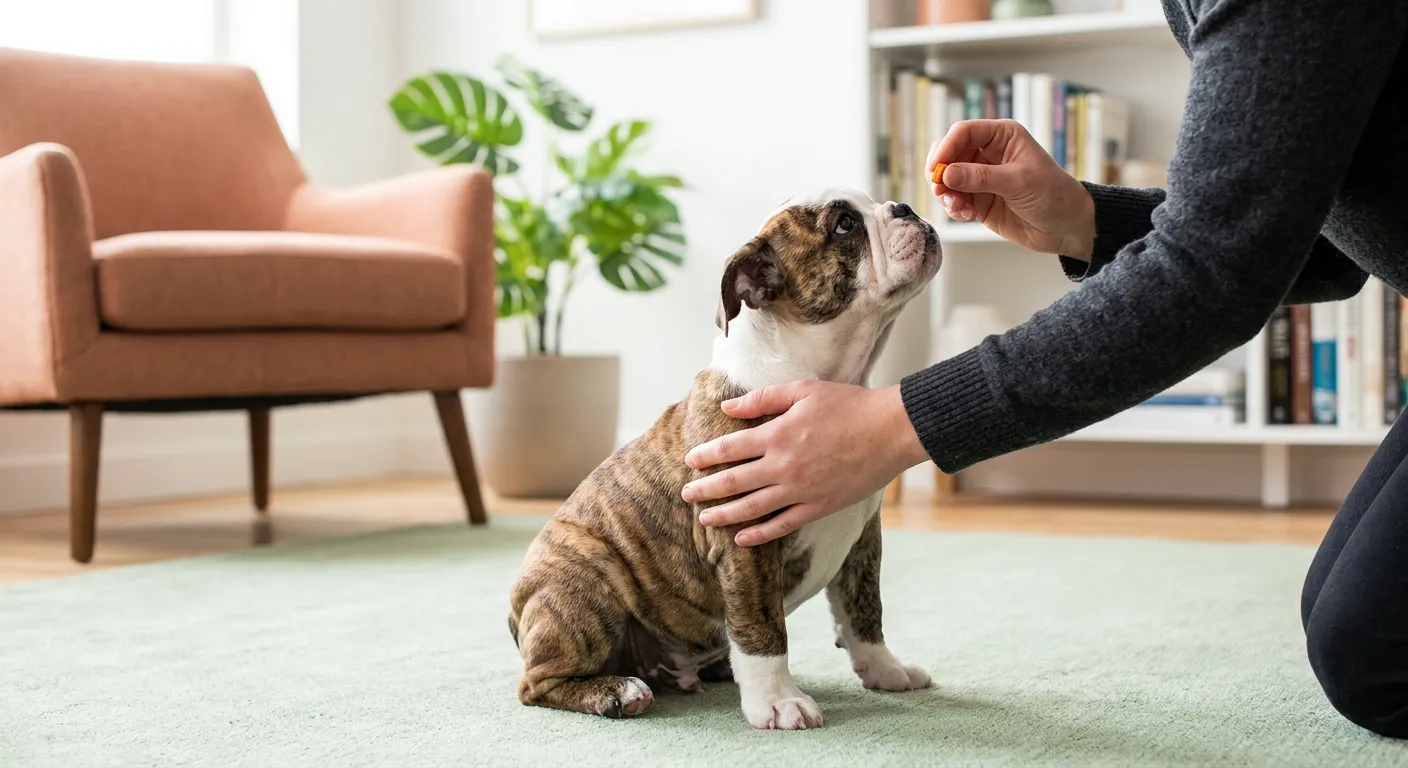
- Hold a treat near your puppy’s nose.
- Slowly move the treat over their head, towards their tail. As their nose follows the treat, their rear end will naturally lower.
- As their bottom touches the ground, say “Sit” clearly.
- Immediately reward with the treat and praise.
- Practice this several times a day in various locations.
2. Stay
This command builds on “Sit.” It teaches your puppy impulse control.
- Ask your puppy to “Sit.”
- Hold up an open palm, say “Stay,” and take one small step back.
- If they remain seated, immediately step forward, reward, and praise.
- Gradually increase your distance and the duration of the stay.
- If they break the stay, calmly guide them back to their original position and restart. Avoid scolding.
3. Come (Recall)
A reliable recall is vital for safety and off-leash enjoyment. This is a critical command when you train bulldog puppy basics.
- Start in a quiet, enclosed area.
- Get down to your puppy’s level, sound excited, and say “Come!”
- As they approach, reward them with a high-value treat and enthusiastic praise.
- Never use “Come” to do something unpleasant, like giving medication or ending playtime. You want them to associate “Come” with positive experiences.
- Practice frequently in different environments as they progress.
4. Down
The “Down” command is excellent for calming your puppy and establishing control. It’s also very useful for preventing jumping.
- Ask your puppy to “Sit.”
- Hold a treat at their nose level, then slowly lower it to the floor and slide it away from them.
- As they stretch out to follow the treat, their body will naturally go into a down position.
- When they are down, say “Down” and immediately reward and praise.
- If they struggle, you can gently guide them into the position while luring with the treat.
5. Leave It
“Leave It” is a crucial command for safety. It prevents your bulldog from picking up dangerous items or food off the ground. This command is a foundational part of how to train bulldog puppy basics for real-world scenarios.
- Place a low-value treat on the floor. Cover it with your hand.
- When your puppy tries to get it, say “Leave It.”
- Wait for them to look away from your hand.
- The moment they look away, reward them with a high-value treat from your other hand.
- Gradually progress to uncovered treats, then to distractions at a distance.
Socialization: More Than Just Playtime
Socialization means exposing your puppy to a wide variety of sights, sounds, smells, people, and other well-behaved dogs in a positive and controlled manner. This helps them develop into confident, well-adjusted adults. When you train bulldog puppy basics, remember that socialization is just as important as commands.
- People: Introduce your puppy to people of all ages, sizes, and appearances. This includes people wearing hats, glasses, or using mobility aids. Ensure interactions are gentle and positive.
- Other Dogs: Arrange supervised playdates with vaccinated, friendly dogs. Puppy classes are an excellent way to provide safe, structured socialization. Avoid dog parks until your puppy is fully vaccinated and has good recall.
- Environments: Take your puppy to different places. This could include pet-friendly stores, parks, and busy streets (from a distance). Expose them to various surfaces like grass, concrete, and carpet.
- Sounds: Gently expose them to everyday noises. This includes vacuum cleaners, doorbells, and traffic sounds. You can find desensitization sound recordings online.
- Handling: Regularly handle your puppy’s paws, ears, mouth, and tail. This makes vet visits and grooming easier. Reward them for calm acceptance. For grooming, our Bulldog Skin Fold Care: Essential Daily Routines for Health & Comfort guide offers great tips.
Always ensure these experiences are positive. If your puppy shows fear, create distance and try again later with less intensity. Never force an interaction.
Managing Common Bulldog Puppy Behaviors
Bulldog puppies, like all puppies, exhibit certain behaviors that need gentle guidance. Knowing how to train bulldog puppy basics includes addressing these typical challenges.
Nipping and Biting
Puppies explore with their mouths. Nipping is normal, but it needs to be managed. When your puppy nips too hard, yelp loudly (like another puppy would). Immediately withdraw attention or leave the room for a few seconds. This teaches bite inhibition. Provide plenty of appropriate chew toys. Redirect nipping towards these toys. Consistent redirection is key.
Jumping Up
Jumping up is often a bid for attention. To discourage it, turn your back and ignore your puppy when they jump. Only give attention when all four paws are on the floor. Reward calm greetings. This reinforces the desired behavior. Teaching a solid “Sit” or “Down” can also help prevent jumping.
Chewing
Chewing is a natural puppy behavior, especially during teething. Provide a variety of safe, appropriate chew toys. Rotate them to keep things interesting. Supervise your puppy to prevent them from chewing on inappropriate items. You can use bitter apple spray on furniture legs or other tempting objects. This makes them less appealing. Training your bulldog puppy basics for good chewing habits is vital.
Advanced Tips for Success When You Train Bulldog Puppy Basics
Beyond the fundamental commands, there are ways to enhance your training journey and build a stronger bond. These tips will help you further when you train bulldog puppy basics.
- Consistency is Key: Everyone in the household must use the same commands and follow the same rules. Inconsistency confuses your puppy.
- Positive Reinforcement: Always reward desired behaviors with treats, praise, or toys. Avoid punishment, which can damage your bond and create fear.
- Short, Frequent Sessions: Puppies have short attention spans. Keep training sessions brief (5-10 minutes) but conduct them frequently throughout the day.
- Be Patient: Learning takes time. Some bulldogs may learn faster than others. Celebrate small successes and don’t get discouraged by setbacks.
- Enroll in Puppy Classes: These classes offer structured learning, professional guidance, and vital socialization opportunities. They are invaluable resources for new owners.
- Desensitize to Handling: Regularly touch your puppy’s paws, ears, mouth, and tail. This makes grooming and vet visits less stressful. Reward them for calm acceptance.
- Mind the Bulldog’s Unique Needs: Bulldogs can be prone to certain health issues. Be mindful of their exercise limits, especially in warm weather, as overheating can occur. For more information, you might read about Managing Bulldog BOAS: A Comprehensive Guide for Owners.
Remember that training is an ongoing process. It should continue throughout your bulldog’s life. It strengthens your relationship and ensures they remain a well-behaved companion.
The Long-Term Benefits of Early Training
Investing time to train bulldog puppy basics offers numerous long-term advantages. A well-trained bulldog is a happier bulldog. They understand expectations and can navigate various situations confidently. This reduces stress for both the dog and the owner. Furthermore, proper socialization during puppyhood helps prevent behavioral issues. This includes aggression or excessive shyness. These issues can be difficult to correct later in life. A well-behaved bulldog is also more welcome in public places and with guests, enriching their life and yours. Early training also provides mental stimulation, which is crucial for intelligent breeds like bulldogs. This helps prevent boredom-related destructive behaviors. Finally, a strong bond forged through positive training experiences creates a lifelong partnership built on trust and mutual respect. For additional health considerations that can impact training, consider articles on Preventing Bulldog Joint Problems: A Proactive Owner’s Guide or Bulldog Sensitive Stomach Diet: Expert Tips for Digestive Health.
Understanding Bulldog Temperament for Effective Training
Bulldogs are known for their calm, gentle, and affectionate nature. However, they can also be quite stubborn. Understanding these traits is crucial for effective training. They respond best to positive reinforcement and consistent methods. Harsh corrections or punishment are counterproductive. They can make a bulldog shut down or become resistant. Patience is truly a virtue when working with this breed. Keep training sessions fun and engaging. Use their love for food or toys as motivation. Their desire to please, combined with their intelligence, means they are very capable learners. You just need the right approach. Building a routine and sticking to it will yield the best results when you train bulldog puppy basics. For more insights on general puppy development, the American Kennel Club offers valuable resources on puppy care and training: https://www.akc.org/expert-advice/training/puppy-training-timeline/. Also, the ASPCA provides excellent guidance on positive reinforcement training: https://www.aspca.org/pet-care/dog-care/common-dog-behavior-issues/positive-reinforcement-training.
Conclusion
Embarking on the journey to train bulldog puppy basics is one of the most rewarding aspects of bringing a new companion into your home. By focusing on early socialization, consistent potty training, and positive reinforcement for essential commands, you are building a strong foundation. This foundation ensures a confident, well-behaved, and happy bulldog. Remember that patience, consistency, and a loving approach are your most powerful tools. Celebrate every small victory. Embrace the process. Your dedication now will lead to a lifetime of joy and companionship with your beloved bulldog. Continue to reinforce these lessons as your puppy grows. This helps them become a cherished member of your family and community.
FAQ Section
What’s the best age to start training a bulldog puppy?
The best time to begin training a bulldog puppy is as soon as you bring them home, typically around 8 weeks of age. This period is crucial for establishing routines and starting foundational behaviors.
How long should training sessions be for a young bulldog?
Keep training sessions short, ideally 5-10 minutes each. Puppies have limited attention spans, so frequent, brief sessions throughout the day are more effective than long, infrequent ones.
Are bulldogs hard to house train?
Bulldogs can be a bit stubborn, but with consistency, frequent potty breaks, designated spots, and positive reinforcement, they can be successfully house trained. Patience is key during this process.
What are the most important commands to teach a bulldog puppy first?
Focus on essential commands like Sit, Stay, Come (recall), Down, and Leave It. These commands are fundamental for safety, control, and good manners in various situations.
How can I socialize my bulldog puppy safely?
Safely socialize your bulldog puppy by introducing them to various people, sounds, environments, and vaccinated, friendly dogs in controlled, positive settings. Puppy classes are an excellent option for structured socialization.
What if my bulldog puppy is not responding to basic training?
If your bulldog puppy isn’t responding, re-evaluate your methods. Ensure consistency, use high-value rewards, and keep sessions positive and fun. If difficulties persist, consider consulting a professional dog trainer for personalized guidance.