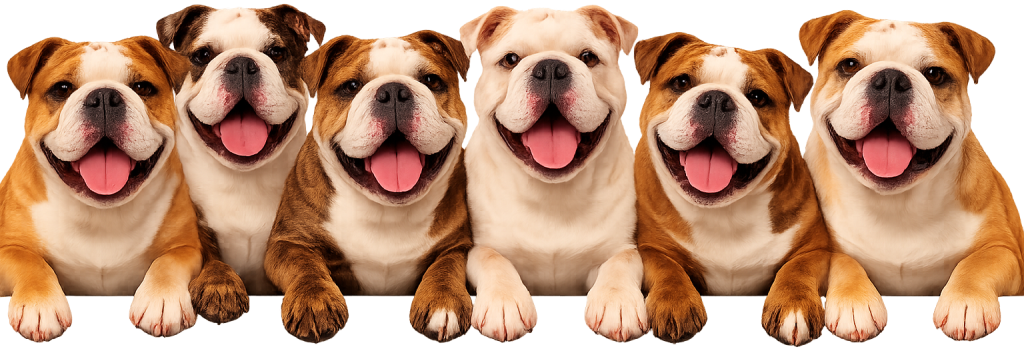
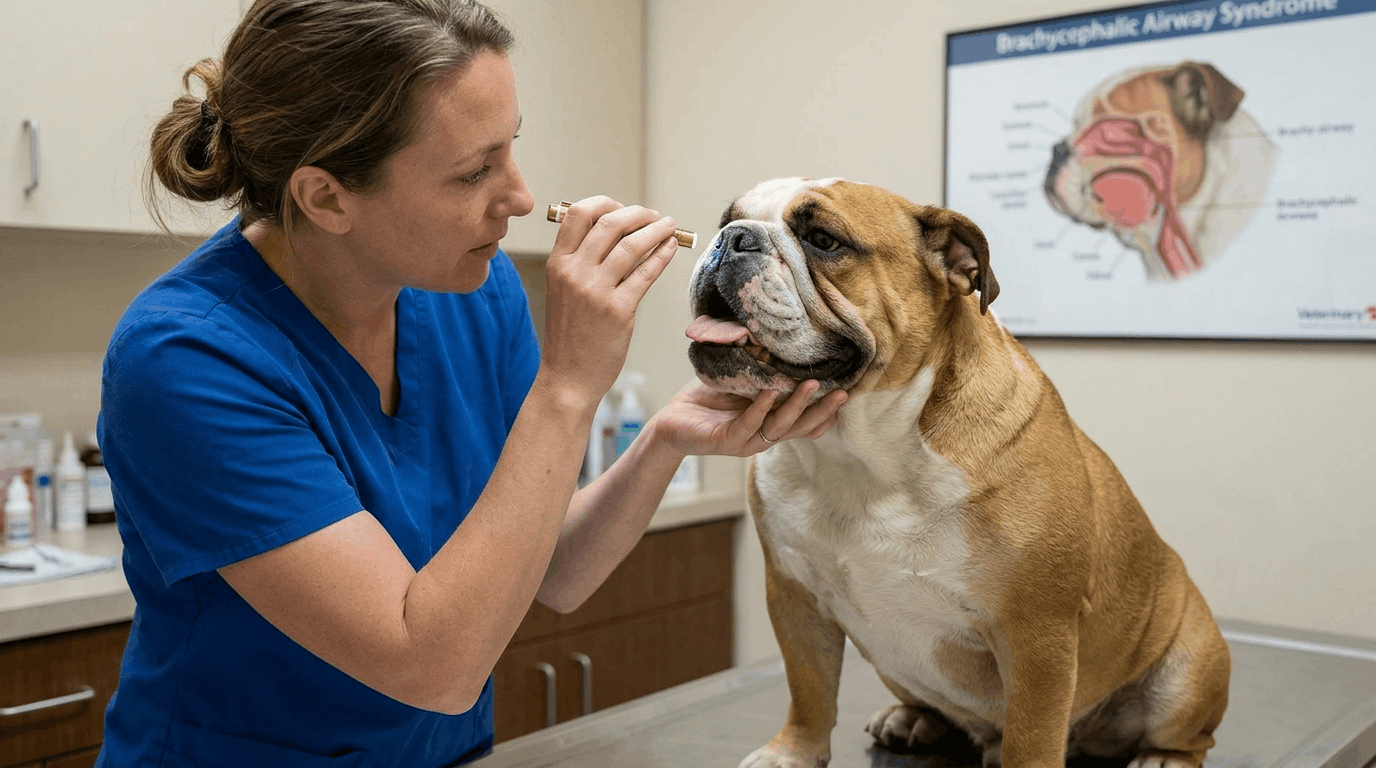
Bulldogs are known for their adorable faces and calm personalities, but their unique structure can also lead to serious health concerns. One of the most common issues owners face is bulldog breathing problems, which can range from mild discomfort to life-threatening conditions. Because these issues can develop gradually, many owners miss early warning signs. However, recognizing these signals early can make a significant difference in your dog’s comfort and long-term health.
Understanding bulldog breathing problems starts with awareness. Bulldogs have shorter airways, which means even small changes can affect how they breathe. Therefore, learning what to watch for allows you to act quickly and prevent complications. By paying close attention, you can support your dog and avoid unnecessary risks.
Why Bulldogs Are Prone To Breathing Issues
Bulldogs belong to a group of dogs known as brachycephalic breeds. This means they have short skulls and compressed airways. While this gives them their distinctive look, it also makes breathing more difficult.
In many cases, bulldog breathing problems stem from narrowed nostrils, elongated soft palates, or restricted airflow. These factors can combine to create ongoing strain when your dog breathes. As a result, even normal activities like walking or playing can become challenging.
In addition, heat and stress can worsen these issues. Bulldogs struggle to regulate their temperature, which makes them more vulnerable in warm environments. Therefore, understanding their limitations is essential for proper care.
Noisy Or Labored Breathing
One of the earliest signs of bulldog breathing problems is unusual breathing sounds. While some snorting is normal, excessive noise often indicates restricted airflow.
If your dog frequently wheezes, gasps, or struggles to inhale smoothly, it may be a sign of an underlying issue. In addition, breathing that appears heavy or strained should not be ignored.
Although mild sounds can be common, consistent or worsening noise suggests that your dog is working harder than normal to breathe. This can lead to fatigue and discomfort over time.
Excessive Panting Even At Rest
Panting is normal after exercise, but excessive panting while resting is a red flag. Bulldogs with breathing difficulties often pant more because they cannot get enough oxygen efficiently.
If your dog continues to pant heavily without physical activity, it may indicate bulldog breathing problems. In addition, panting that seems out of proportion to the situation should raise concern.
Furthermore, watch for changes in intensity. If panting becomes louder or more frequent, it may signal worsening airflow restriction.
Difficulty Exercising Or Quick Fatigue
Bulldogs are not high-energy dogs, but they should still be able to move comfortably. If your dog tires quickly or refuses to continue walking, breathing issues may be the cause.
Bulldog breathing problems often limit oxygen intake, which reduces stamina. As a result, even short activities can feel exhausting for your dog.
In addition, reluctance to move or sudden stopping during walks can indicate discomfort. Paying attention to these changes helps you identify problems early.
Blue Or Pale Gums
Healthy dogs have pink gums, so any color change is a serious warning sign. Blue or pale gums suggest that your dog is not getting enough oxygen.
This is one of the most urgent indicators of bulldog breathing problems. If you notice this symptom, immediate action is necessary.
In addition, check your dog’s tongue for similar changes. Oxygen deprivation can quickly become dangerous, so do not delay seeking help.
Frequent Gagging Or Choking Sounds
Gagging or choking noises can signal airway obstruction. Bulldogs with breathing issues may struggle to move air properly, leading to these sounds.
If your dog frequently makes gagging noises, it may be related to bulldog breathing problems. In addition, coughing or retching without a clear cause should be monitored closely.
These symptoms often indicate irritation or blockage in the airway, which requires attention.
Sleeping In Unusual Positions
Dogs often adjust their position to breathe more comfortably. Bulldogs with airway issues may sleep with their neck extended or head elevated.
These positions help open the airway slightly, making breathing easier. However, they also indicate underlying bulldog breathing problems.
If your dog consistently chooses these positions, it may be trying to compensate for restricted airflow. Observing sleep behavior can provide valuable clues.
Overheating Quickly
Bulldogs are highly sensitive to heat because they rely on breathing to cool down. When airflow is limited, their ability to regulate temperature decreases.
If your dog overheats quickly, even in mild conditions, it may be due to bulldog breathing problems. Signs include heavy panting, drooling, and lethargy.
In addition, overheating can escalate rapidly, leading to serious complications. Therefore, it is important to monitor your dog closely in warm environments.
What You Can Do To Help
Recognizing the signs is only the first step. Taking action helps manage bulldog breathing problems and improve your dog’s quality of life.
Start by keeping your dog in a cool, well-ventilated environment. Avoid excessive heat and limit strenuous activity. Short, gentle walks are often better than long ones.
In addition, maintain a healthy weight. Extra weight can put additional pressure on your dog’s airway, making breathing more difficult.
Using proper equipment also helps. A harness is often better than a collar because it reduces pressure on the neck. This small change can make a noticeable difference.
Finally, regular checkups with a veterinarian are essential. Professional guidance ensures that any issues are identified and managed early.
When To Seek Immediate Help
Some situations require urgent attention. If your dog shows severe difficulty breathing, collapses, or has blue gums, seek veterinary care immediately.
Bulldog breathing problems can escalate quickly, so it is important to act without delay. Early intervention can prevent serious complications and improve outcomes.
In addition, trust your instincts. If something feels wrong, it is better to seek help than to wait.
Conclusion
Bulldog breathing problems are common, but they should never be ignored. By understanding the warning signs and taking proactive steps, you can protect your dog’s health and comfort. Small changes in behavior or breathing can indicate larger issues, so staying attentive is key.
With the right approach, you can manage these challenges effectively. Your dog relies on you to recognize problems and provide support. By staying informed and responsive, you ensure a safer and more comfortable life for your bulldog.
FAQ
- What causes breathing issues in bulldogs?
Their short skull structure and narrow airways make breathing more difficult. - Is loud breathing always a problem?
Not always, but worsening or constant noise should be checked. - Can exercise make breathing issues worse?
Yes, overexertion can increase strain on the airway. - How can I help my bulldog breathe easier at home?
Keep them cool, avoid stress, and use a harness instead of a collar. - When should I contact a vet for breathing concerns?
Seek help immediately if your dog struggles to breathe or shows gum discoloration.