[be_published_modified_date]
Bulldog Dental Care: Keeping Those Pearly Whites Healthy
Dental health is a frequently overlooked but critical component of a bulldog’s overall well-being. Due to their unique jaw structure and often crowded teeth, bulldogs are particularly susceptible to dental diseases like gingivitis, periodontal disease, and tooth decay. Prioritizing bulldog dental care can prevent pain, infection, and even more serious systemic health issues. Therefore, understanding proper oral hygiene is essential for every bulldog owner. In fact, proactive measures can significantly enhance their quality of life.
The Unique Dental Challenges of Bulldogs
Bulldogs possess distinctive brachycephalic (short-nosed) skull structures. This unique anatomy often leads to crowded teeth and misaligned jaws. Consequently, food particles and plaque can easily become trapped in hard-to-reach areas. Such conditions create an ideal breeding ground for bacteria. Moreover, their folds of skin around the mouth can also harbor bacteria, contributing to dental problems. Ignoring these specific challenges can quickly escalate into painful and costly health concerns. Therefore, specialized attention to their oral hygiene is not just recommended, it’s vital.
Common issues include periodontal disease, which affects the tissues supporting the teeth, and gingivitis, an inflammation of the gums. Both conditions, if left untreated, can lead to tooth loss and severe discomfort. Furthermore, bacteria from oral infections can enter the bloodstream and impact vital organs such as the heart, kidneys, and liver. This highlights the systemic importance of maintaining excellent oral health. Understanding these predispositions helps bulldog owners implement effective preventative strategies. Ultimately, early intervention and consistent care are key to preventing serious complications.
The Cornerstone of Effective Bulldog Dental Care: Daily Brushing
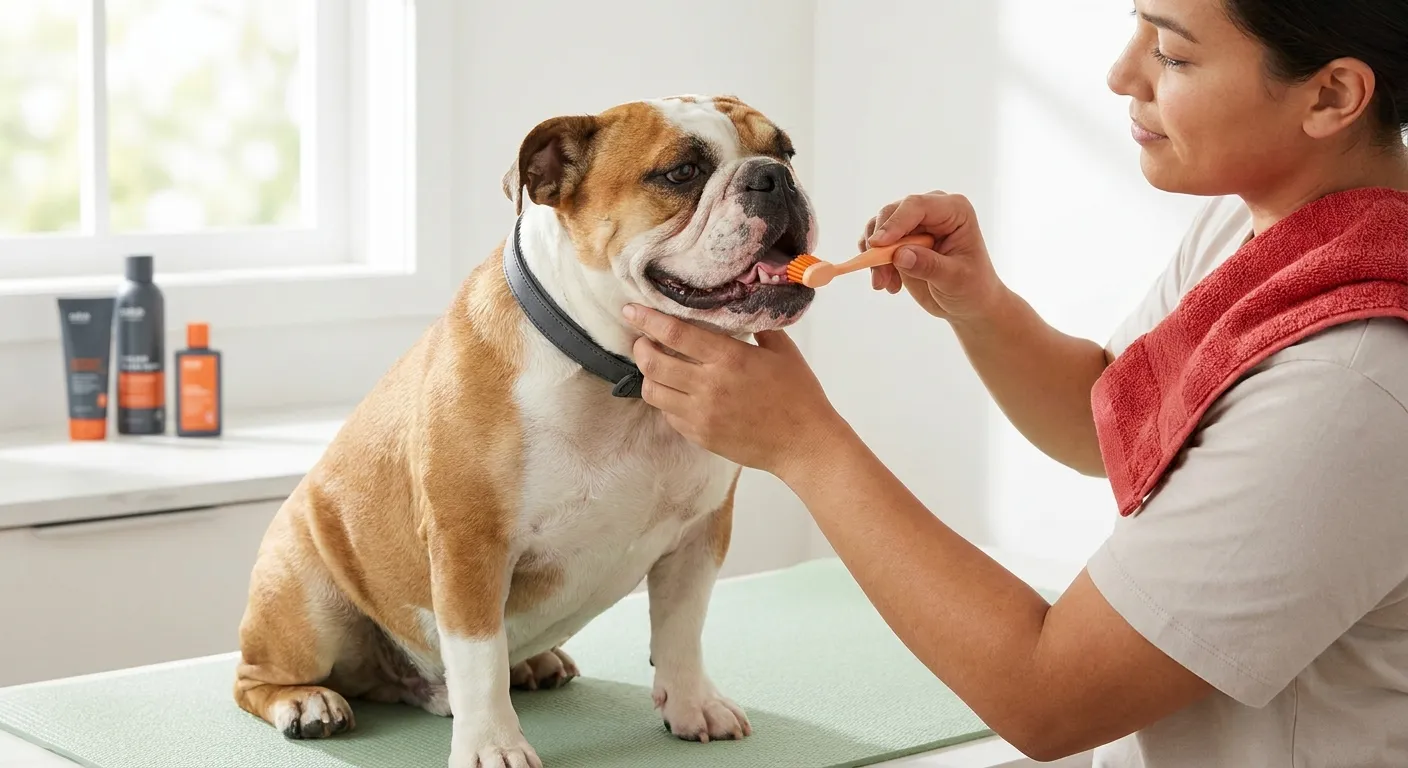
The cornerstone of effective bulldog dental care is daily tooth brushing. Introducing a soft-bristled, dog-specific toothbrush and enzymatic dog toothpaste (never human toothpaste) early in your bulldog’s life will make this routine easier. Gently lift their lips and brush in small, circular motions, focusing on the outside surfaces of the teeth where plaque tends to accumulate. Even a few minutes a day can make a significant difference in preventing plaque and tartar buildup. Consistency is key, so make it a positive experience with praise and rewards. Furthermore, positive reinforcement helps your bulldog associate brushing with enjoyable interactions. Remember, patience and persistence are crucial during this training phase.
To begin, select a toothbrush designed for dogs, often with angled heads or finger brushes. Next, choose a toothpaste specifically formulated for canines, as human toothpaste contains xylitol and fluoride, which are toxic to dogs. Start by letting your bulldog taste the toothpaste. Then, gradually introduce the brush. Over time, increase the duration and coverage of the brushing sessions. Many owners find it helpful to perform brushing at the same time each day. This consistency establishes a predictable routine for your pet. Additionally, consider using dental wipes as an intermediate step if your bulldog is resistant to the brush initially. Building a strong foundation for oral hygiene early on will benefit your bulldog immensely throughout their life.
Beyond the Brush: Professional Cleanings and Diet
While daily brushing is vital, it’s often not enough on its own. Regular professional dental cleanings under anesthesia, performed by your veterinarian, are essential to remove hardened tartar above and below the gum line and assess the health of each tooth. Your vet can also recommend dental chews, water additives, or specialized dental diets that can help reduce plaque and tartar accumulation between cleanings. Look for products approved by the Veterinary Oral Health Council (VOHC). Be vigilant for signs of dental problems, such as bad breath, reluctance to eat, pawing at the mouth, or red, swollen gums. Early intervention can prevent severe complications and ensure your bulldog maintains a healthy, pain-free smile. Moreover, these professional cleanings allow for thorough examinations. Consequently, your veterinarian can identify potential issues before they become severe.
During a professional cleaning, the vet will scale off plaque and tartar. They will also polish the teeth to smooth the surfaces, making it harder for new plaque to adhere. Furthermore, dental X-rays are often taken to assess the health of the teeth below the gum line. This is crucial because a significant portion of dental disease occurs out of sight. As a result, many hidden problems can be detected and addressed. Discussing the frequency of these cleanings with your vet is important. The ideal schedule depends on your bulldog’s individual needs and dental health status. Ultimately, a combination of home care and professional intervention provides the most comprehensive approach to maintaining good oral hygiene.
Dental Chews, Toys, and Water Additives
In addition to brushing and professional cleanings, various dental products can support your bulldog’s oral health. Dental chews and toys, for instance, are designed to help scrape away plaque as your dog chews. However, it’s crucial to select appropriate products. Always choose chews that are safe and appropriately sized for your bulldog. Avoid excessively hard items that could fracture teeth. Instead, opt for softer, pliable dental treats that are specifically formulated to promote oral hygiene. Look for the VOHC seal of approval, which indicates that a product meets specific standards for plaque and tartar control. Similarly, certain water additives contain ingredients that help reduce bacteria in the mouth. These can be a convenient supplement to your daily routine. Nevertheless, they should not replace brushing. Instead, view them as an extra layer of protection for your bulldog’s teeth.
When selecting dental toys, consider those with textured surfaces. These textures can provide a gentle scrubbing action on the teeth and gums. Furthermore, ensure the toys are durable enough to withstand your bulldog’s powerful jaws without breaking into small pieces that could be swallowed. Always supervise your bulldog when they are using dental chews or toys. This prevents choking hazards and ensures they are using the product effectively. Regular use of these supplementary aids can contribute significantly to overall dental health. They work by mechanically removing some plaque and by introducing beneficial ingredients. Therefore, integrating these tools can be a valuable part of your comprehensive bulldog dental care strategy.
Recognizing Signs of Dental Problems
Vigilance is key to early detection of dental issues in bulldogs. Owners should regularly inspect their bulldog’s mouth for any abnormalities. Bad breath, often described as halitosis, is one of the earliest and most common indicators of dental disease. While some dog breath is normal, a strong, foul odor usually signals a problem. Other signs include red, swollen, or bleeding gums. These symptoms often point to gingivitis or periodontal disease. Additionally, you might notice visible tartar buildup, which appears as a brown or yellow crust on the teeth. This hardened plaque cannot be removed by brushing alone. Consequently, professional cleaning becomes necessary.
Beyond visual cues, changes in your bulldog’s behavior can also indicate dental pain. For example, a bulldog experiencing discomfort might show reluctance to eat, especially hard kibble or treats. They might also chew on one side of their mouth or drop food. Pawing at the mouth or excessive drooling are further warning signs. Furthermore, some bulldogs may become irritable or withdrawn due to chronic pain. If you observe any of these symptoms, it’s crucial to schedule a veterinary examination promptly. Early diagnosis and treatment are vital for preventing the progression of dental disease. Addressing these issues quickly can save your bulldog from prolonged suffering. Therefore, being attentive to these signs is a critical aspect of responsible bulldog dental care.
The Role of Nutrition in Oral Health
Diet plays a significant role in maintaining optimal bulldog dental care. While not a substitute for brushing, certain foods can help support dental hygiene. Specialized dental diets, for instance, are formulated with a unique kibble structure. This structure helps to mechanically scrub the teeth as the bulldog chews, reducing plaque and tartar accumulation. These diets often contain ingredients that inhibit plaque formation. Always consult your veterinarian before making significant changes to your bulldog’s diet. They can recommend the most appropriate food for your dog’s specific needs and health status. Furthermore, avoid feeding excessive sugary treats or human foods. These can contribute to tooth decay, just as they do in humans. Therefore, a balanced and appropriate diet is an integral part of preventative dental care.
For instance, some premium dog foods incorporate beneficial additives. These might include hexametaphosphate, which helps to bind calcium in saliva and prevent tartar formation. The texture of the kibble is also important. Larger, more fibrous kibble can encourage chewing and provide a mild abrasive action against the tooth surface. On the other hand, soft, wet foods, while often palatable, offer less mechanical cleaning action. While they may be necessary for bulldogs with severe dental issues, they generally don’t contribute to plaque control. Hence, making informed dietary choices is an important, yet often overlooked, component of a comprehensive oral health strategy. This proactive approach to your bulldog’s diet complements other dental care efforts. Ultimately, it contributes to a healthier mouth and overall well-being.
Preventative Measures for Lifelong Bulldog Dental Care
Establishing a comprehensive preventative routine is the most effective approach to lifelong bulldog dental care. This includes regular home care, routine veterinary check-ups, and professional dental cleanings. Start brushing your bulldog’s teeth daily from a young age. This helps them get accustomed to the routine and makes it a positive experience. Schedule annual veterinary check-ups, where your vet can assess your bulldog’s overall health, including their oral cavity. During these visits, your vet can identify early signs of dental disease and recommend appropriate interventions. Furthermore, adhere to your vet’s recommendations for professional dental cleanings. These are crucial for addressing issues below the gum line. By combining these efforts, you create a robust defense against dental problems. This proactive stance ensures your bulldog enjoys a healthy, pain-free mouth for many years.
In addition to brushing, consider incorporating VOHC-approved dental chews or water additives into your routine. These products can provide supplementary benefits. However, remember they are not replacements for manual brushing or professional cleanings. Be mindful of your bulldog’s diet, opting for dental-friendly foods when possible. Regularly inspect your bulldog’s mouth for any unusual odors, redness, or visible tartar. Early detection allows for timely treatment, which can prevent more serious complications. Education is also a powerful tool; stay informed about the latest recommendations for canine dental health. For more detailed information on canine oral health, consider resources like the American Veterinary Dental College. By committing to these preventative measures, you are investing in your bulldog’s long-term health and happiness. Your dedication to their oral hygiene will undoubtedly lead to a brighter smile and a healthier life.
Conclusion
By integrating daily brushing, regular vet check-ups, and appropriate dental aids into your routine, you can significantly improve your bulldog’s oral health and contribute to their overall happiness and longevity. Remember that consistent bulldog dental care is an ongoing commitment. It requires patience and diligence. However, the rewards—a healthy, happy bulldog with a bright smile—are immeasurable. Prioritizing their oral hygiene prevents pain, infection, and systemic health issues. Therefore, make dental health a top priority for your beloved companion. For additional resources on pet care, visit the ASPCA website. Your bulldog deserves the best care possible, and that includes a healthy mouth.
FAQ: Common Questions About Bulldog Oral Health
Q: How often should I brush my bulldog’s teeth?
A: Ideally, you should brush your bulldog’s teeth daily. This consistency is the most effective way to prevent plaque and tartar buildup. Even a few minutes each day can make a significant difference in their oral hygiene.
Q: What kind of toothpaste should I use for my bulldog?
A: Always use a toothpaste specifically formulated for dogs. These enzymatic toothpastes are safe for pets to swallow and come in flavors appealing to them. Never use human toothpaste, as it contains ingredients like xylitol and fluoride which are toxic to dogs.
Q: Are dental chews effective for improving a bulldog’s oral health?
A: Dental chews can be a helpful supplement to your bulldog’s oral hygiene routine, but they should not replace daily brushing. Look for chews approved by the Veterinary Oral Health Council (VOHC) for proven efficacy in reducing plaque and tartar. Always supervise your dog when they are enjoying dental chews.
Q: How often does my bulldog need professional teeth cleaning?
A: The frequency of professional dental cleanings depends on your bulldog’s individual needs and the advice of your veterinarian. Many vets recommend annual cleanings, especially for breeds prone to dental issues. Your vet can assess your bulldog’s oral health and recommend a personalized schedule.
Q: What are the signs of dental problems in bulldogs?
A: Common signs of oral issues include bad breath, red or swollen gums, visible tartar on the teeth, reluctance to eat, pawing at the mouth, and excessive drooling. If you notice any of these symptoms, it’s important to consult your veterinarian promptly for an examination and treatment.
Q: Can diet really impact my bulldog’s teeth and gums?
A: Yes, diet can play a supportive role in maintaining your bulldog’s oral health. Certain specialized dental diets feature kibble designed to help scrub teeth as your dog chews. However, diet is a supplementary measure and does not replace the necessity of regular brushing and professional veterinary care.