
Bulldogs, with their endearing flat faces and stocky builds, capture hearts worldwide. However, their unique anatomy also presents specific health challenges, particularly concerning their respiratory system. For current and prospective owners, understanding and implementing effective bulldog breathing problems solutions is not just beneficial, it’s essential for their quality of life. At Bulldog Experts, we’re dedicated to empowering you with the knowledge to navigate these complexities, ensuring your beloved companion breathes easier and lives a fuller, healthier life.
Understanding Brachycephalic Airway Syndrome (BAS)
Brachycephalic Airway Syndrome (BAS) is a common condition in flat-faced breeds like bulldogs. It’s a combination of anatomical abnormalities that obstruct the upper airway, making breathing difficult. Consequently, this syndrome requires careful management and understanding from owners.
What is BAS?
BAS typically involves several issues: stenotic nares (narrow nostrils), an elongated soft palate (tissue that extends too far into the throat), hypoplastic trachea (narrow windpipe), and everted laryngeal saccules (tissue sacs in the larynx that turn outwards and block airflow). These issues combine to restrict airflow, forcing your bulldog to work harder to breathe. Furthermore, these obstructions can worsen over time.
Common Signs of Respiratory Distress
Recognizing the signs of distress early is crucial. Look for loud, noisy breathing (snorting, snoring, gasping), increased effort to breathe (chest and abdominal movements), blue-tinged gums or tongue, excessive panting, coughing, gagging, or even fainting. These signs are often exacerbated by excitement, exercise, or hot weather. Therefore, vigilance is key.
Immediate Bulldog Breathing Problems Solutions
When your bulldog is struggling to breathe, quick action can make a significant difference. In fact, prompt intervention can prevent a crisis. Knowing what to do can truly save your pet’s life.
Recognizing an Emergency
Severe difficulty breathing, collapse, or blue gums are veterinary emergencies. Do not delay seeking professional help. Contact your vet immediately or head to the nearest emergency animal hospital. Swift action is paramount in these situations.
First Aid Steps
If your bulldog is showing signs of distress but not in immediate collapse, try to calmly move them to a cool, quiet, air-conditioned environment. Offer a small amount of cool water. You can gently wipe their paws and belly with a cool, damp cloth (avoiding ice-cold water, which can cause shock). Keep them calm; stress can worsen breathing difficulties. Always have your vet’s number on hand. Additionally, ensure they have access to fresh air.
Long-Term Management and Prevention
Proactive care and management are key to mitigating brachycephalic dog breathing issues. Implementing long-term strategies is essential for their overall well-being. These strategies form the foundation of effective bulldog breathing problems solutions.
Veterinary Consultations & Surgical Options
Regular veterinary check-ups are vital. Your vet can assess the severity of your bulldog’s BAS and discuss potential surgical interventions such as widening the nostrils (nares resection) or shortening the soft palate (staphylectomy). These procedures can significantly improve airflow and quality of life. For more detailed information on managing this condition, consider reading our comprehensive guide on Managing Bulldog BOAS: A Comprehensive Guide to Respiratory Health.
Weight Management for Easier Breathing
Maintaining a healthy weight is paramount for bulldogs. Excess weight places additional strain on their respiratory system and exacerbates breathing difficulties. A lean body condition allows for easier airflow and reduces the risk of heatstroke. Consult your veterinarian for a tailored diet plan and exercise routine. Furthermore, regular exercise should be carefully monitored to avoid overexertion.
Environmental Control and Heat Safety
Bulldogs are highly susceptible to heatstroke due to their compromised respiratory system. Therefore, strict environmental control is essential. During warmer months, keep your bulldog indoors in an air-conditioned environment. Avoid strenuous exercise during the hottest parts of the day. Provide plenty of fresh, cool water at all times. In addition, consider cooling mats or elevated beds to help regulate their body temperature. Always be mindful of humidity levels, as they can also impact a bulldog’s ability to cool down.
Appropriate Exercise Routines
While exercise is important for overall health, it must be carefully managed for bulldogs. Short, gentle walks during cooler parts of the day are best. Avoid intense play, running, or any activity that causes excessive panting. A harness is preferable to a collar, as it avoids pressure on the trachea and neck, further aiding comfortable breathing. Moreover, always carry water and be prepared to stop if your bulldog shows any signs of distress.
Stress Reduction Techniques
Stress and excitement can significantly worsen a bulldog’s breathing difficulties. Consequently, creating a calm and predictable environment is beneficial. Use positive reinforcement training methods and avoid situations that might cause anxiety. Gentle massage or calming pheromone diffusers can also help. A relaxed bulldog is a bulldog that breathes easier, therefore, reducing stress is a key component of effective bulldog breathing problems solutions.
Recognizing and Preventing Heatstroke in Bulldogs
Heatstroke is a life-threatening condition for bulldogs. Their unique anatomy makes them highly vulnerable. Understanding the signs and implementing preventative measures is critical for their safety, particularly regarding breathing difficulties.
Symptoms of Heatstroke
Early signs of heatstroke include excessive panting, drooling, weakness, and elevated body temperature. As the condition progresses, you might observe vomiting, diarrhea, staggering, seizures, or collapse. Blue or bright red gums are also critical indicators. If you notice any of these symptoms, immediate action is required.
Prevention Strategies
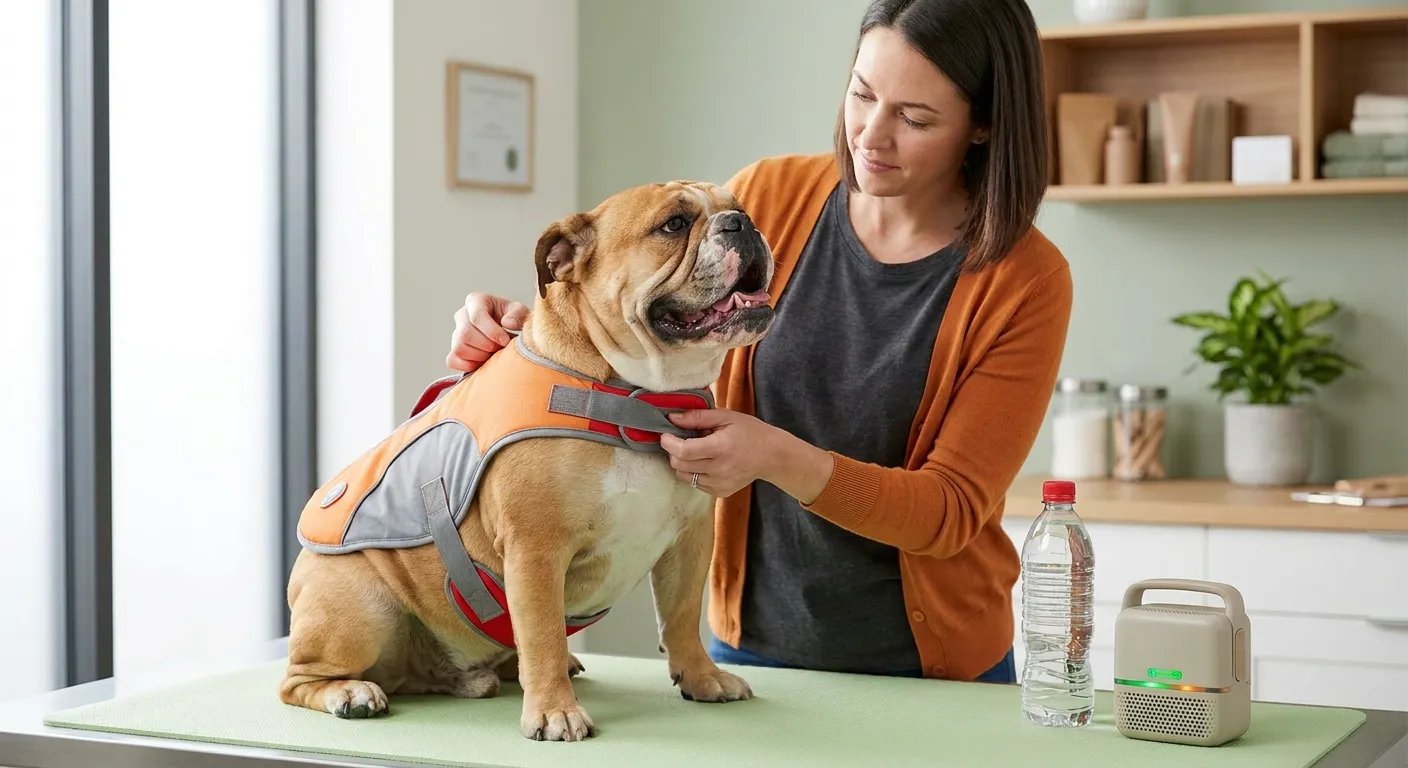
Prevention is always the best approach. Never leave your bulldog in a car, even on a mild day. Provide constant access to shade and fresh water when outdoors. Limit outdoor activity to early mornings or late evenings when temperatures are cooler. Consider a cooling vest or bandana during warmer periods. Furthermore, avoid paved surfaces which can retain heat. These strategies are vital for preventing serious bulldog breathing problems solutions from becoming necessary due to heatstroke.
Beyond Breathing: Holistic Bulldog Health
While respiratory health is paramount, a holistic approach to your bulldog’s well-being contributes to their overall resilience. Addressing other aspects of their care can indirectly support better breathing and a higher quality of life. For instance, proper nutrition and joint care are also crucial.
Nutrition for Respiratory Support
A balanced diet supports overall health, including respiratory function. High-quality dog food tailored to their age and activity level is important. Some diets may include supplements beneficial for joint health, which can indirectly aid mobility and reduce strain. For more guidance on feeding your bulldog, explore our article on Best Bulldog Puppy Food: A Guide to Optimal Growth & Health. Maintaining a healthy weight, as discussed earlier, is also a critical nutritional consideration.
Regular Grooming and Hygiene
Proper grooming, especially focusing on their skin folds, prevents infections that could cause discomfort and stress, potentially impacting breathing. Clean folds reduce irritation, which can make your bulldog more comfortable and less prone to anxiety. For expert advice on this topic, refer to our guide on Bulldog Skin Fold Care: Essential Daily Routines for Health & Comfort. Good hygiene is an often-overlooked aspect of overall health.
Early Health Screenings
Proactive health screenings can identify potential issues before they become severe. Regular veterinary check-ups allow for early detection and management of conditions that might impact your bulldog’s breathing or general health. This includes cardiac evaluations and monitoring for other brachycephalic-related issues. Learn more about the importance of these screenings by visiting Proactive Health: Why Early Bulldog Health Screenings Are Non-Negotiable.
Living with a Brachycephalic Bulldog: A Commitment to Care
Owning a bulldog is a rewarding experience, but it comes with the responsibility of understanding and managing their unique health needs. By being informed and proactive, you can significantly improve their quality of life. This commitment means consistently applying bulldog breathing problems solutions.
Remember, your veterinarian is your best partner in ensuring your bulldog’s health. Regular consultations, combined with diligent home care, form the cornerstone of successful management of brachycephalic airway syndrome. Don’t hesitate to seek professional advice whenever you have concerns about your bulldog’s breathing or overall well-being. Together, we can ensure your beloved bulldog enjoys a happy, comfortable, and full life, breathing as easily as possible. For further reading on brachycephalic breeds, the American College of Veterinary Surgeons provides excellent resources. Additionally, the American Kennel Club offers breed-specific health information.
FAQ
What causes breathing difficulties in bulldogs?
Breathing difficulties in bulldogs are primarily caused by their brachycephalic (flat-faced) anatomy, which leads to Brachycephalic Airway Syndrome (BAS). This syndrome involves narrow nostrils, an elongated soft palate, and other anatomical obstructions that restrict airflow.
How can I tell if my bulldog is having a breathing emergency?
Signs of a breathing emergency include severe difficulty breathing, blue-tinged gums or tongue, collapse, or excessive gasping. If you observe these symptoms, seek immediate veterinary attention.
Are there surgical options to help bulldogs breathe better?
Yes, surgical procedures such as widening the nostrils (nares resection) and shortening the soft palate (staphylectomy) can significantly improve airflow and reduce respiratory distress in bulldogs. Your veterinarian can discuss if these procedures are suitable for your pet.
What should I do to prevent heatstroke in my bulldog?
To prevent heatstroke, keep your bulldog indoors in air conditioning during hot weather, limit exercise to cooler parts of the day, provide constant access to fresh water, and never leave them in a parked car. Using cooling mats or vests can also help.
How does weight management impact a bulldog’s breathing?
Excess weight puts additional strain on a bulldog’s respiratory system, making it harder for them to breathe. Maintaining a healthy weight through proper diet and controlled exercise can significantly alleviate these difficulties and improve their overall comfort.