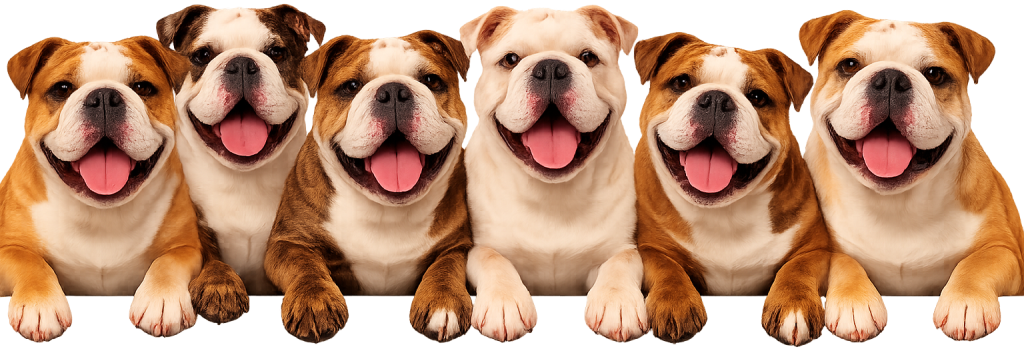
Bulldogs are famous for their endearing waddle and laid-back demeanor. Despite their appearance, regular exercise is essential for their health and well-being. However, their brachycephalic (short-nosed) anatomy means that Bulldog exercise routines must be carefully managed. This prevents overheating and respiratory distress. Owners need to understand how to keep their bulldogs active safely. This ensures they get the physical and mental stimulation they need without putting their health at risk. This guide provides actionable advice for designing appropriate exercise regimens for your beloved companion.
Tailoring Exercise to Your Bulldog’s Needs
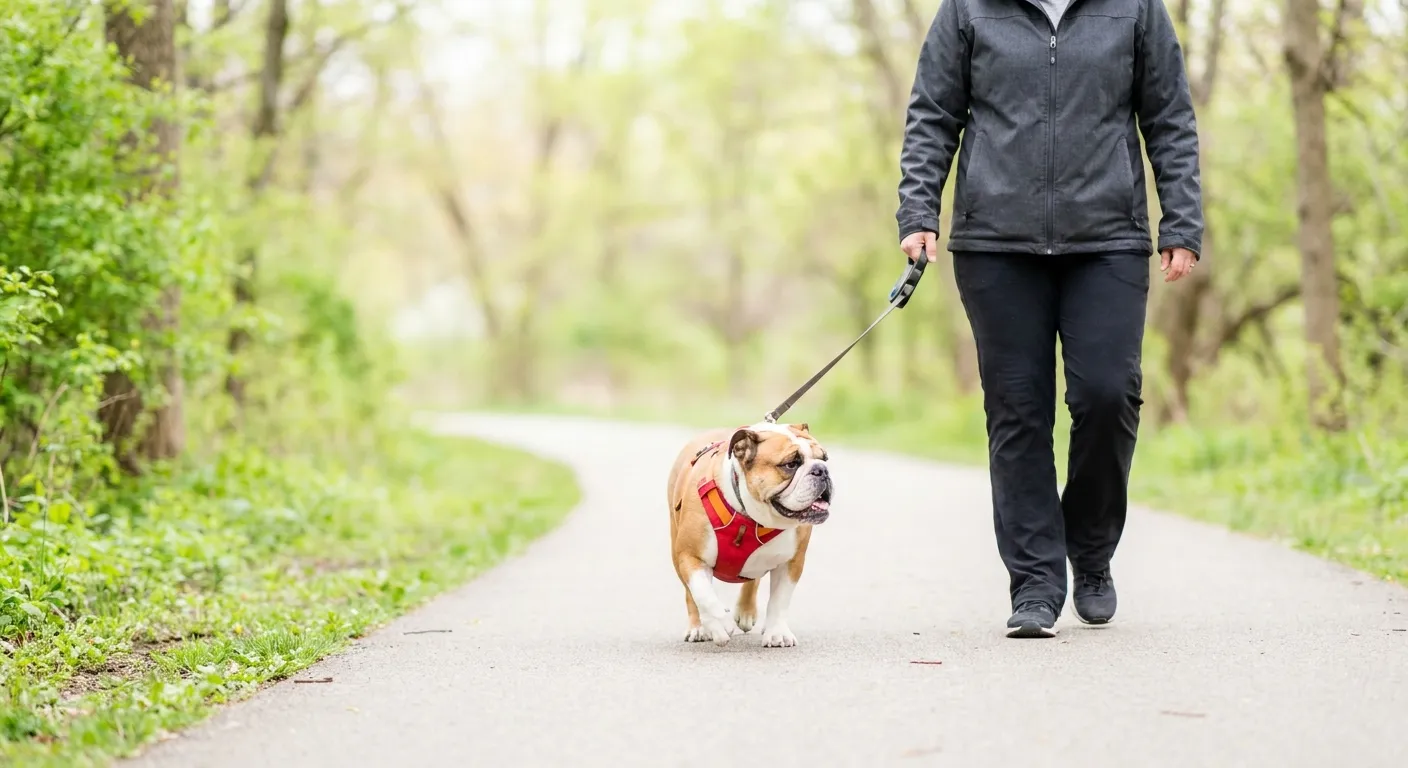
The key to effective Bulldog exercise routines lies in moderation and awareness of their unique physical limitations. Unlike many other breeds, bulldogs are not built for long runs or strenuous activity. This is especially true in warm weather. Short, frequent walks are often more beneficial than one long outing. Aim for two to three 10-15 minute walks per day. Ideally, these should occur during the cooler parts of the day (early morning or late evening). Observe your bulldog closely for any signs of labored breathing, excessive panting, or lethargy. If you notice these symptoms, stop immediately. Allow them to rest in a cool environment. Always carry water to offer them during and after walks to keep them hydrated.
Safe Activities and Environmental Considerations
Beyond walks, there are other safe activities that can contribute to a bulldog’s fitness. Gentle playtime in a securely fenced yard, using soft toys, can be a great way to burn energy. Indoor play, such as hide-and-seek or short fetch games, is an excellent alternative on hot or humid days. Remember that bulldogs are not strong swimmers due to their dense build and short snouts. If you introduce them to water, always use a life vest and supervise them closely. Avoid exercising your bulldog when temperatures rise above 75°F (24°C) or during peak humidity. These conditions significantly increase the risk of heatstroke. Providing a cool, shaded resting area and access to fresh water at all times is non-negotiable. By prioritizing safety and understanding their limitations, you can ensure your bulldog enjoys an active and healthy life.
Understanding Bulldog Anatomy and Exercise Risks
Bulldogs are a brachycephalic breed, meaning they have a shortened skull, nose, and jaw. This unique facial structure, while charming, predisposes them to certain health challenges, particularly related to their respiratory system. Conditions like Brachycephalic Obstructive Airway Syndrome (BOAS) are common. This can make even moderate physical activity a challenge. Their narrow nostrils, elongated soft palate, and everted laryngeal saccules can restrict airflow, leading to breathing difficulties. Furthermore, bulldogs are prone to overheating because they cannot pant as efficiently as other dogs. Panting is a dog’s primary way to cool down. Therefore, any physical exertion, especially in warm or humid conditions, needs careful supervision. Owners must be vigilant to prevent a medical emergency. For more in-depth information on managing these respiratory challenges, consider reading our guide on Managing Bulldog BOAS: A Comprehensive Guide for Owners.
Creating a Structured Exercise Schedule
Establishing a consistent and appropriate exercise schedule is paramount for your bulldog’s health. While spontaneity can be fun, a routine helps manage their energy levels and prevent overexertion. Consider a morning walk before the day heats up, followed by a short indoor play session in the afternoon, and a final evening stroll. Each session should be brief, typically 10-15 minutes. It is crucial to listen to your dog. Some bulldogs may tolerate slightly longer periods, while others might need shorter, more frequent bursts of activity. Adjust the schedule based on their age, overall health, and the daily weather conditions. Puppy exercise needs will differ from those of an adult or senior bulldog. For insights on early development, our article on Bulldog Puppy Essential Care: Laying a Healthy Foundation might be useful.
Recognizing Signs of Overheating and Respiratory Distress
Knowing the warning signs of overheating and respiratory distress is critical for any bulldog owner. Early detection can be life-saving. Look for excessive panting, often accompanied by loud, raspy breathing. Other indicators include drooling, weakness, disorientation, a bright red tongue, and difficulty walking. In severe cases, they may collapse. If you observe any of these symptoms, immediately move your bulldog to a cool, shaded area. Offer small amounts of water. You can also apply cool, wet towels to their paws and groin. Seek veterinary attention without delay if symptoms do not improve rapidly. Prevention is always better than cure. Therefore, monitoring your dog during any physical activity is key to safe bulldog exercise.
Innovative Indoor Activities for Bulldogs
On days when outdoor exercise is not feasible due to extreme weather, indoor activities become essential. Mental stimulation is just as important as physical activity for bulldogs. Puzzle toys, for instance, can keep their minds engaged as they work to retrieve treats. Short games of fetch in a hallway or living room can burn off some energy. Training sessions, focusing on basic commands or learning new tricks, also provide excellent mental and gentle physical exercise. Hide-and-seek, where you hide and call your bulldog, can be a fun way to encourage movement. Moreover, interactive feeders that make them work for their meal can slow down eating and provide a stimulating challenge. These activities ensure your bulldog remains active and happy indoors.
The Importance of Hydration and Cooling Strategies
Proper hydration is non-negotiable when discussing effective bulldog exercise. Always have fresh, cool water available, especially before, during, and after any physical activity. Carrying a portable water bottle and bowl on walks is a simple yet vital habit. Beyond water, consider cooling vests or bandanas soaked in cold water to help regulate their body temperature on warmer days. Investing in a cooling mat for their resting area can also provide significant relief. Furthermore, avoid exercising during the hottest parts of the day. Stick to early mornings and late evenings. These cooling strategies are fundamental to preventing heat-related illnesses and ensuring safe activity for your brachycephalic friend. These measures are crucial for successful bulldog exercise routines.
Diet and Weight Management for Optimal Mobility
A healthy diet and appropriate weight management play a significant role in your bulldog’s ability to exercise safely and comfortably. Overweight bulldogs face increased strain on their joints and respiratory system, exacerbating their brachycephalic challenges. Therefore, maintaining an ideal weight is crucial. Consult your veterinarian for guidance on portion control and appropriate caloric intake based on your bulldog’s age, activity level, and health status. High-quality dog food, rich in nutrients, supports overall health and provides the energy needed for their daily activities. For dietary considerations, our guide on Bulldog Sensitive Stomach Diet: Expert Tips for Digestive Health offers valuable information. By managing their weight, you directly improve their capacity for safe physical activity.
Supplements and Joint Health Considerations
Given their sturdy build and predisposition to certain orthopedic issues, supporting your bulldog’s joint health is an integral part of their exercise regimen. Conditions like hip and elbow dysplasia are not uncommon in the breed. While exercise is beneficial, it should always be low-impact to protect their joints. Consider discussing joint supplements with your veterinarian. Glucosamine and chondroitin are popular choices that can help maintain cartilage health and reduce inflammation. Omega-3 fatty acids also offer anti-inflammatory benefits. Regular, gentle movement helps keep joints mobile and muscles strong, but strenuous activity can be detrimental. For more details on proactive joint care, explore our article on Bulldog Joint Health: Proactive Strategies for Lifelong Mobility. This contributes to comfortable bulldog exercise for many years.
The Role of Regular Veterinary Check-ups
Regular veterinary check-ups are fundamental to ensuring your bulldog is fit for exercise and to proactively address any underlying health concerns. Your vet can assess their respiratory function, cardiac health, and joint condition. They can also recommend specific exercise modifications based on your dog’s individual needs. Early detection of issues like BOAS or joint problems allows for timely intervention, potentially preventing complications. Discuss your bulldog’s activity levels and any observed changes in their behavior or breathing during these visits. A veterinarian can offer tailored advice for managing your bulldog’s physical activity. This professional guidance is invaluable for optimizing their overall well-being and ensuring their safety during exercise.
Outbound Resources for Further Information
For additional insights into canine health and exercise, owners can consult reputable veterinary resources. The American Kennel Club (AKC) provides extensive information on breed-specific care, including exercise guidelines and health concerns for bulldogs. Similarly, the Washington State University College of Veterinary Medicine offers detailed articles on brachycephalic airway syndrome, which is directly relevant to understanding bulldog exercise limitations. These resources can complement the information provided here, offering a broader perspective on responsible pet ownership and health management.
Conclusion
Successfully managing bulldog exercise routines requires a deep understanding of their unique physiology. It demands a commitment to safety and proactive care. By implementing short, frequent, and low-impact activities, prioritizing hydration, and being vigilant about environmental conditions, you can ensure your bulldog leads an active and fulfilling life. Always consult your veterinarian to tailor an exercise plan specific to your dog’s health and age. With careful planning and consistent attention, your beloved bulldog can enjoy the many benefits of physical activity without compromising their well-being. This approach guarantees a happy, healthy companion for years to come.
FAQ: How much activity does a bulldog need daily?
Generally, bulldogs benefit from two to three short walks daily, each lasting 10-15 minutes. This should be supplemented with gentle indoor play. The exact amount depends on their age, health, and weather conditions. Always observe your dog for signs of fatigue or distress.
FAQ: Can bulldogs go on long walks or hikes?
No, bulldogs are not suited for long walks or strenuous hikes. Their brachycephalic nature makes them prone to overheating and respiratory issues with prolonged exertion. Short, controlled bursts of activity are much safer and more beneficial for their unique physiology.
FAQ: What are safe indoor exercises for a bulldog?
Safe indoor exercises include puzzle toys, short games of fetch in a hallway, hide-and-seek, and training sessions. These activities provide mental stimulation and gentle physical activity, which are crucial, especially on hot or humid days.
FAQ: How can I prevent my bulldog from overheating during exercise?
To prevent overheating, exercise your bulldog during cooler parts of the day (early morning or late evening). Always carry water, use cooling vests or mats, and avoid activity when temperatures exceed 75°F (24°C) or during high humidity. Be vigilant for signs of distress.
FAQ: Are there any specific health considerations for bulldog activity?
Yes, bulldogs are prone to Brachycephalic Obstructive Airway Syndrome (BOAS) and joint problems. Exercise should always be low-impact and carefully monitored to prevent respiratory distress and protect their joints. Regular vet check-ups are essential to manage these conditions effectively.