Bulldogs, with their distinctive skin folds and inherent sensitivities, are particularly prone to developing various skin conditions. Consequently, these conditions can often manifest as significant discomfort, leading to persistent itching, visible inflammation, and even secondary infections if not properly managed. Understanding the common triggers and signs of Bulldog skin allergies is, therefore, the essential first step toward providing much-needed relief and significantly improving your dog’s overall quality of life. This comprehensive article will outline the primary causes, recognizable symptoms, and actionable solutions to help owners effectively manage these frustrating ailments, ensuring their beloved bulldogs remain happy and healthy.
Understanding Bulldog Skin Allergies: A Comprehensive Overview
Bulldogs’ unique physiology, including their characteristic wrinkles and often short, dense coats, creates an environment where skin issues can easily arise. Their skin folds, in particular, can trap moisture, heat, and allergens, making them hotspots for irritation and bacterial or yeast overgrowth. Moreover, many bulldogs possess a genetic predisposition to certain allergic reactions, making them more susceptible than other breeds. Recognizing these underlying factors is crucial for developing an effective management strategy. Pet owners must remain vigilant and proactive in monitoring their bulldog’s skin health.
Common Causes of Bulldog Skin Allergies
Bulldog skin allergies typically fall into a few distinct categories: environmental, food, and contact. Each type presents unique challenges and requires a targeted approach for identification and treatment.
Environmental Allergies (Atopy)
Environmental allergies, often referred to as atopy, are a very common concern for bulldogs. These allergies are frequently triggered by airborne allergens, similar to hay fever in humans. For example, common culprits include pollen from trees, grasses, and weeds, as well as dust mites, mold spores, and dander from other animals. These allergens can be seasonal, flaring up during specific times of the year, or they can be present year-round, causing persistent issues. When a bulldog inhales or absorbs these allergens through their skin, their immune system overreacts, leading to the characteristic itchy and inflamed skin. Diagnosis often involves a combination of clinical signs, ruling out other conditions, and sometimes specific allergy testing through blood tests or intradermal skin tests.
Food Allergies and Sensitivities
While less common than environmental allergies, food allergies can significantly impact a bulldog’s health. These allergies are caused by specific proteins in their diet, such as those found in chicken, beef, dairy products, or wheat. Interestingly, a bulldog may develop an allergy to a food they have consumed without issues for many years. Symptoms can include skin problems, but also gastrointestinal upset like vomiting or diarrhea. Identifying a food allergy primarily involves a strict elimination diet under veterinary guidance. This process is time-consuming but essential for accurate diagnosis. For more specific dietary advice, consider exploring resources on Bulldog sensitive stomach diet.
Contact Allergies
Contact allergies are rarer but occur when a bulldog’s skin reacts directly to a substance it touches. For instance, common irritants can include certain cleaning products, specific fabrics (like wool or synthetic materials), pesticides, or even particular plants in the garden. The reaction is typically localized to the area of contact. Pinpointing the exact cause often requires careful observation of where and when the allergic reaction occurs, coupled with systematically removing potential irritants from the dog’s environment. This type of allergy usually presents as redness, itching, and sometimes small bumps or blisters on the skin.
Recognizing the Symptoms of Bulldog Skin Allergies
Identifying the symptoms of Bulldog skin allergies early is paramount for prompt intervention and preventing further complications. Owners should be attentive to any changes in their bulldog’s behavior or appearance.
Common Clinical Signs
- Intense Itching (Pruritus): This is perhaps the most noticeable symptom. Bulldogs will scratch, lick, or chew excessively at affected areas.
- Redness and Inflammation: The skin may appear red, irritated, and swollen, particularly in skin folds, paws, belly, and ears.
- Hair Loss: Constant scratching and licking can lead to patches of thinning hair or complete hair loss (alopecia) in affected areas.
- Skin Lesions: Owners might observe rashes, bumps, pustules, or scabs on the skin.
- Hot Spots: These are acute moist dermatitis lesions, often caused by rapid self-trauma (licking/chewing) that leads to bacterial infection.
- Ear Infections: Recurrent ear infections (otitis externa) are a common sign of underlying allergies in bulldogs, often due to yeast or bacteria thriving in the inflamed ear canal.
- Foot Chewing/Licking: Bulldogs with allergies frequently chew or lick their paws, leading to stained fur, irritation, and sometimes secondary infections between the toes.
- Odor: A distinct, often yeasty or musty odor can develop due to bacterial or yeast overgrowth on irritated skin.
- Thickened Skin (Lichenification): In chronic cases, the skin may become thickened, darkened, and leathery due to persistent inflammation.
If you notice any of these signs, it’s essential to consult your veterinarian promptly. Early diagnosis and treatment can prevent the condition from worsening and improve your bulldog’s comfort significantly.
Solutions for Managing Bulldog Skin Allergies
Once the specific cause is identified, a multi-faceted approach is generally most effective for managing Bulldog skin allergies. This often involves a combination of medical treatments, dietary adjustments, and environmental modifications.
Veterinary Treatments and Medications
For environmental allergies, your veterinarian might suggest several options. Antihistamines, such as diphenhydramine or cetirizine, can help reduce itching in some bulldogs, although their effectiveness varies. For severe flare-ups, corticosteroids (e.g., prednisone) may be prescribed to quickly reduce inflammation and itching. However, these are typically used for short periods due to potential side effects. More advanced treatments include cyclosporine (an immunosuppressant), oclacitinib (Apoquel), and lokivetmab (Cytopoint), which specifically target the allergic itch pathway. Immunotherapy, or allergy shots, involves exposing your bulldog to small, increasing doses of the specific allergens they react to, aiming to desensitize their immune system over time. This is a long-term solution that can offer significant relief.
Topical Therapies and Grooming
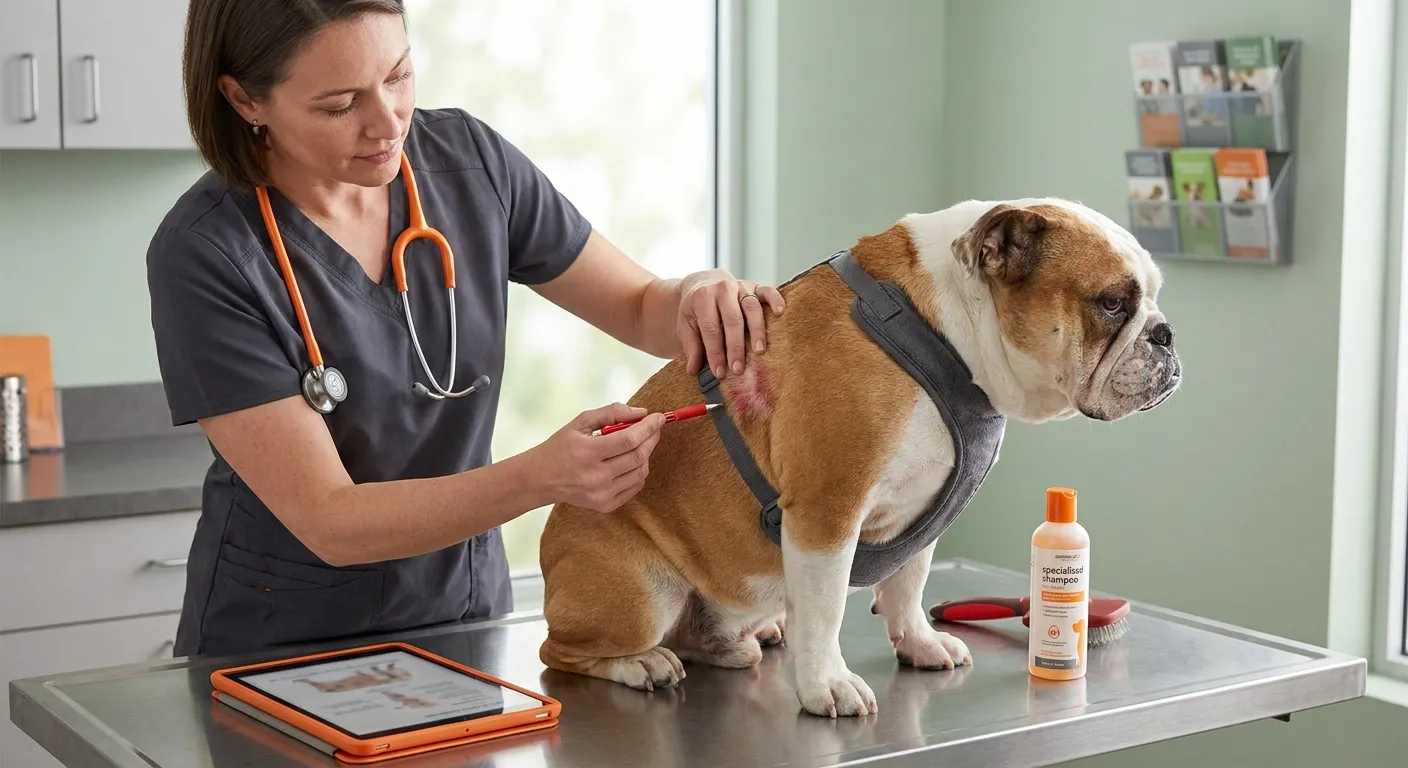
Regular bathing with a hypoallergenic or medicated shampoo can provide immense relief by removing allergens from the coat, soothing irritated skin, and treating secondary infections. For example, shampoos containing chlorhexidine can help with bacterial infections, while those with miconazole can address yeast overgrowth. Your vet can recommend the most appropriate shampoo for your bulldog’s specific needs. Furthermore, maintaining proper Bulldog skin fold care is critical. Regularly cleaning and drying the wrinkles with a gentle antiseptic wipe can prevent moisture and bacteria from accumulating, which often exacerbates skin issues. This proactive care significantly reduces the likelihood of flare-ups associated with Bulldog skin allergies.
Moreover, keeping your bulldog’s coat clean and free of debris can minimize exposure to environmental allergens. Brushing regularly helps distribute natural skin oils and removes loose fur, reducing the buildup of potential irritants. Consider using a damp cloth to wipe down your bulldog after outdoor activities to remove pollen or other environmental triggers from their fur.
Dietary Management for Food Allergies
For suspected food allergies, a strict elimination diet under veterinary guidance is absolutely crucial. This process involves feeding a novel protein diet (containing a protein source your bulldog has never eaten before, like duck or venison) or a hydrolyzed protein diet (where proteins are broken down into tiny molecules too small to trigger an immune response) for several weeks, typically 8-12 weeks. During this period, no other foods, treats, or flavored medications should be given. If symptoms resolve, food challenges are then performed by reintroducing single ingredients to identify the specific allergen. Once identified, the offending ingredient must be strictly avoided in the future. This dedicated approach is key to managing food-related Bulldog skin allergies.
Environmental Control
Minimizing exposure to environmental allergens is a vital component of managing atopy. Regularly vacuuming and cleaning your home can reduce dust mites and pet dander. Using air purifiers with HEPA filters can also help remove airborne allergens. If pollen is a major trigger, keeping windows closed during high pollen seasons and wiping down your bulldog after outdoor walks can be beneficial. For contact allergies, the solution is simply identifying and removing the offending substance from your dog’s environment. This might involve changing cleaning products, using pet-friendly detergents for bedding, or restricting access to certain plants.
Supplements for Skin Health
Supplements can play a supportive role in managing Bulldog skin allergies. Omega-3 fatty acids, found in fish oil, are renowned for their anti-inflammatory properties and can significantly support skin barrier health, reducing dryness and itchiness. Probiotics can also be beneficial, as a healthy gut microbiome contributes to a robust immune system and can positively impact skin conditions. Always consult your veterinarian before adding any supplements to your bulldog’s diet to ensure they are appropriate and safe.
Working with Your Veterinarian
It is paramount to always work closely with your veterinarian to develop a tailored management plan. Self-diagnosis and treatment can be ineffective or even harmful. Your vet can conduct appropriate diagnostic tests, prescribe medications, and guide you through elimination diets or immunotherapy options. They will help you navigate the complexities of Bulldog skin allergies and ensure the best possible outcome for your furry companion. Regular follow-up appointments are essential to monitor progress and adjust the treatment plan as needed. For more general advice on proactive health, consider insights on proactive bulldog health screenings.
Preventative Measures and Long-Term Care
Prevention is always better than cure, especially when it comes to managing conditions like Bulldog skin allergies. Implementing a consistent routine can significantly reduce the frequency and severity of flare-ups.
Daily Grooming and Hygiene
Establishing a daily grooming routine is fundamental. This includes regular cleaning of skin folds, particularly around the face, tail pocket, and armpits, to prevent moisture and bacterial buildup. Use a soft, damp cloth or specialized bulldog wrinkle wipes. After cleaning, ensure the folds are thoroughly dried to prevent yeast and bacterial growth. Furthermore, regular paw cleaning, especially after walks, helps remove allergens and irritants that bulldogs pick up from their environment. These simple steps contribute greatly to preventing skin irritation and subsequent allergic reactions.
Dietary Quality and Consistency
Feeding a high-quality, balanced diet is crucial for overall health, including skin health. A diet rich in essential fatty acids and free from common allergens can significantly reduce the likelihood of food-related skin issues. If your bulldog has identified food sensitivities, strictly adhere to the prescribed diet. Avoid giving table scraps or treats that contain known allergens. Consistency in diet helps maintain digestive and skin health. For guidance on optimal nutrition, reviewing resources like Best Bulldog Puppy Food can be helpful, even for adult dogs, as it emphasizes foundational nutritional principles.
Environmental Management
Maintaining a clean living space is another key preventative measure. Regularly wash your bulldog’s bedding in hot water to kill dust mites. Vacuum floors and furniture frequently, especially if your bulldog spends a lot of time indoors. Consider using hypoallergenic bedding and toys. If your bulldog is sensitive to outdoor allergens, limit their exposure during peak seasons, perhaps by walking them during times when pollen counts are lower, like early morning or late evening. Keeping your yard free of weeds and maintaining a short lawn can also reduce exposure to certain plant pollens. These efforts significantly mitigate the impact of environmental triggers on your bulldog’s skin.
Stress Reduction
Stress can sometimes exacerbate allergic conditions in dogs. Ensuring your bulldog has a calm, predictable environment, sufficient exercise, and plenty of mental stimulation can contribute to their overall well-being and potentially reduce the severity of allergic responses. A happy, well-adjusted bulldog is often a healthier bulldog, less prone to stress-induced flare-ups of Bulldog skin allergies.
Conclusion
Managing Bulldog skin allergies requires patience, diligence, and a close partnership with your veterinarian. By understanding the various causes – environmental, food, and contact – and recognizing the subtle to overt symptoms, owners can take proactive steps to alleviate their bulldog’s discomfort. Implementing a comprehensive strategy that includes appropriate veterinary treatments, meticulous grooming, dietary adjustments, and environmental controls is essential. Ultimately, consistent care and a tailored management plan will significantly improve your bulldog’s quality of life, allowing them to live a more comfortable and itch-free existence. Remember, your vigilance and commitment are key to their ongoing health and happiness.
FAQ
What are the most common signs of skin irritation in bulldogs?
The most common signs include intense itching, persistent licking or chewing of paws, redness and inflammation of the skin, hair loss in affected areas, recurrent ear infections, and a distinct odor. You might also notice hot spots or thickened, darkened skin in chronic cases.
How can I identify what my bulldog is allergic to?
Identifying the exact allergen often requires a systematic approach. For environmental allergies, your vet might suggest allergy testing (blood or skin tests). For food sensitivities, a strict elimination diet is typically recommended. Contact allergies are usually identified by observing where and when the reaction occurs and removing potential irritants from your dog’s environment.
Can diet help with my bulldog’s sensitive skin?
Absolutely. A high-quality, balanced diet rich in omega-3 fatty acids can support skin barrier health. If a food allergy is suspected, a novel protein or hydrolyzed protein diet, strictly followed under veterinary guidance, can often resolve skin issues. Avoiding known food allergens is crucial for long-term management of sensitive skin.
What role does grooming play in managing bulldog skin issues?
Grooming is vital. Regular cleaning and thorough drying of skin folds prevent moisture and bacteria buildup, which often exacerbates skin problems. Regular bathing with appropriate shampoos can remove allergens and soothe irritated skin. Consistent grooming routines help prevent flare-ups and maintain overall skin health.
When should I take my bulldog to the vet for skin problems?
You should consult your veterinarian as soon as you notice any persistent or worsening skin issues. Early intervention is key to preventing secondary infections and chronic discomfort. Your vet can accurately diagnose the underlying cause and recommend the most effective treatment plan for your bulldog’s specific condition.
Are there natural remedies for bulldog skin discomfort?
While natural remedies can sometimes offer supportive care, they should always be discussed with your veterinarian first. Some owners find relief using natural anti-inflammatory supplements like omega-3 fatty acids or topical applications like oatmeal baths. However, these are typically used in conjunction with, not as a replacement for, veterinary-prescribed treatments for managing allergic reactions.