
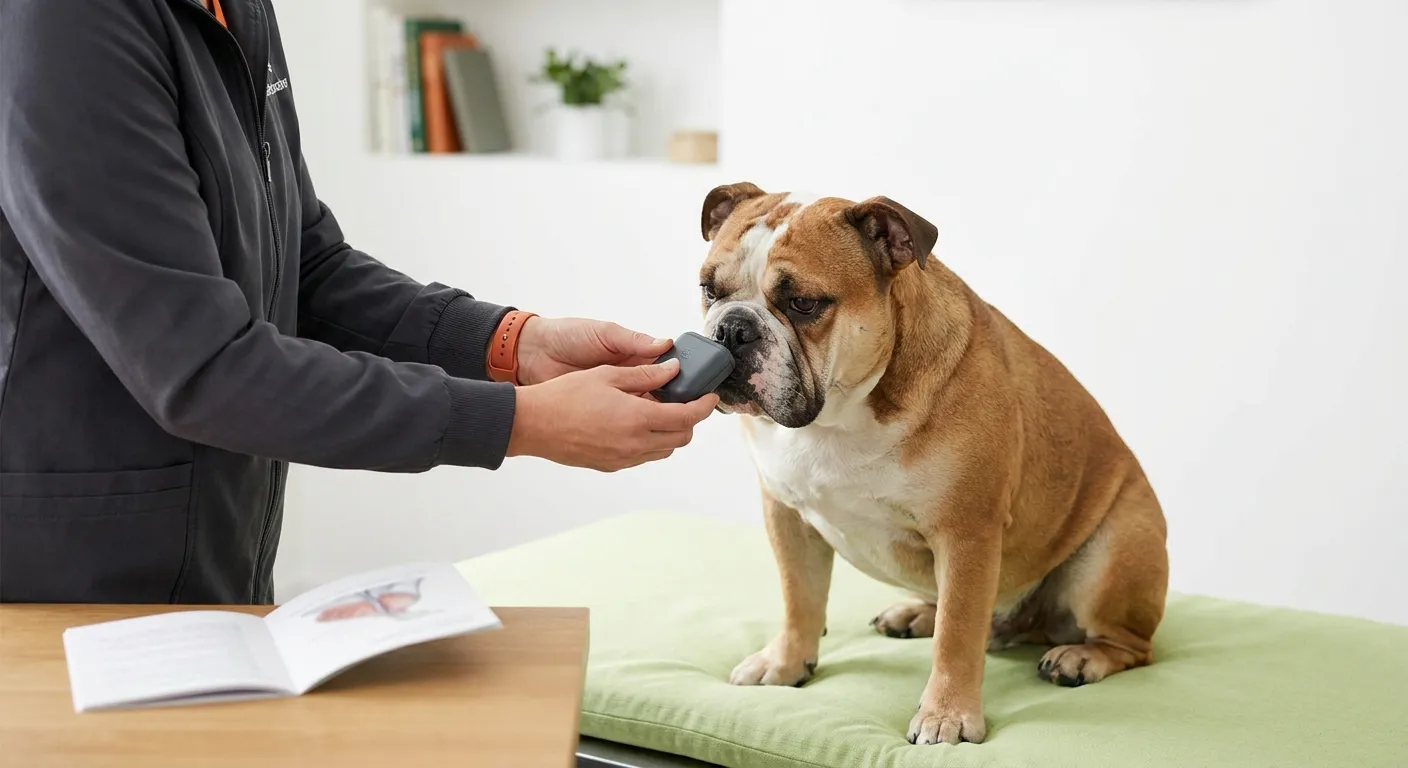
For many bulldog owners, the distinctive snorts and snores are part of their charm. However, these sounds can often be indicators of a serious underlying condition: Brachycephalic Obstructive Airway Syndrome (BOAS). Understanding and effectively managing bulldog BOAS is critical for the well-being of your beloved companion, ensuring they can breathe comfortably and live a full, happy life. In 2025-2026, with pet owners increasingly seeking reliable online information for their pets’ health concerns, it’s more important than ever to provide accurate, expert-backed guidance on this breed-specific challenge.
What is Brachycephalic Obstructive Airway Syndrome (BOAS)?
BOAS is a condition common in brachycephalic (short-nosed) breeds like bulldogs, pugs, and French bulldogs. It’s caused by a combination of anatomical abnormalities that obstruct the upper airway, making breathing difficult. These can include: elongated soft palate, stenotic nares (narrow nostrils), hypoplastic trachea (narrow windpipe), and everted laryngeal saccules. Due to selective breeding for exaggerated physical traits, bulldogs are particularly prone to severe respiratory distress, a concern that has led to increased owner awareness and calls for prioritizing health over extreme aesthetics in breeding practices.
Recognizing the Signs: Early Detection in Bulldogs
Early detection of bulldog breathing difficulties is crucial. While some mild signs might seem normal for the breed, it’s important to differentiate between typical bulldog sounds and signs of distress. Look out for:
- Noisy Breathing: Excessive snoring, snorting, or gasping, especially during sleep or mild activity.
- Exercise Intolerance: Rapid fatigue, heavy panting, or collapsing after minimal physical exertion.
- Gagging or Retching: Often mistaken for vomiting, this can be a sign of an elongated soft palate obstructing the airway.
- Bluish Gums or Tongue (Cyanosis): A critical emergency sign indicating severe lack of oxygen.
- Heat Sensitivity: Bulldogs with BOAS struggle to regulate their body temperature, making them highly susceptible to heatstroke.
If you observe any of these symptoms, especially the more severe ones, immediate veterinary consultation is essential.
Practical Strategies for Managing Bulldog BOAS
Beyond surgical correction, which is often recommended for severe cases, several non-surgical strategies can significantly improve your bulldog’s airway management and quality of life. These practical steps are crucial for effective BOAS care.
Lifestyle Adjustments for Better Breathing
Weight management is paramount for bulldogs with BOAS. Obesity exacerbates symptoms by adding pressure to the airways. Therefore, maintaining a healthy weight through a balanced diet and controlled exercise is critical. This aligns with the growing emphasis on preventive care and a holistic approach to pet wellness. Furthermore, environmental control is also key; keep your bulldog in a cool, air-conditioned environment, especially during warmer months. High temperatures and humidity can quickly lead to respiratory distress. Consider using cooling mats or vests to help regulate their body temperature. In addition, avoid exposing your bulldog to strenuous exercise, particularly during the hottest parts of the day. Short, gentle walks are usually sufficient. For more tips on keeping your bulldog active safely, explore our resources on interactive toys that encourage play without overexertion.
Dietary Considerations for Respiratory Health
A well-balanced diet plays a significant role in supporting overall health and, by extension, respiratory function. Choose high-quality dog food appropriate for their age, size, and activity level. Some veterinarians may recommend specific diets to help reduce inflammation or manage weight, both of which can impact BOAS symptoms. For instance, smaller, more frequent meals can prevent bloating, which might put additional pressure on the diaphragm and airways. Moreover, ensure constant access to fresh water to keep your bulldog hydrated, which aids in maintaining mucous membrane health. Consult your vet for personalized dietary recommendations tailored to your bulldog’s specific needs when considering how to best approach bulldog BOAS management through diet.
Stress Reduction and Calm Environments
Stress and excitement can trigger or worsen BOAS symptoms in bulldogs. Consequently, creating a calm and predictable environment is beneficial. Minimizing exposure to loud noises, unfamiliar people, or other stressors can help prevent episodes of labored breathing. Gentle handling and consistent routines contribute to a sense of security. Consider using calming aids or techniques if your bulldog is prone to anxiety. For example, a comfortable bed in a quiet corner can provide a safe haven. Moreover, understanding your bulldog’s temperament and anticipating situations that might cause stress allows for proactive intervention.
Medical and Surgical Interventions for Bulldog BOAS
While lifestyle adjustments are vital for managing bulldog BOAS, medical and surgical interventions are often necessary, especially in more severe cases. These options aim to directly address the anatomical abnormalities causing the airway obstruction.
Veterinary Consultations and Diagnostics
Regular veterinary check-ups are fundamental. Your vet will perform a thorough physical examination and may recommend diagnostic tests such as X-rays, fluoroscopy, or endoscopy to assess the severity of the BOAS and identify specific anatomical issues. These diagnostics help in formulating the most effective treatment plan. Furthermore, early diagnosis allows for timely intervention, potentially preventing the condition from worsening. Always maintain open communication with your veterinarian regarding any changes in your bulldog’s breathing or behavior.
Surgical Options for Airway Improvement
Surgery is often the most effective long-term solution for severe BOAS. Common surgical procedures include:
- Stenotic Nares Correction: Widening the nostrils to improve airflow. This is a relatively minor procedure that can significantly enhance breathing.
- Elongated Soft Palate Resection: Shortening the soft palate to prevent it from obstructing the trachea. This procedure often yields dramatic improvements in respiratory function.
- Everted Laryngeal Saccules Removal: Removing tissue that has been pulled into the airway due to increased breathing effort.
- Tonsillectomy: In some cases, enlarged tonsils can contribute to airway obstruction and may be removed.
The decision to pursue surgery should be made in consultation with a board-certified veterinary surgeon, who will discuss the risks, benefits, and expected outcomes. Post-surgical care is also crucial for a successful recovery, and your vet will provide detailed instructions. Many owners report a significant improvement in their bulldog’s quality of life after appropriate surgical intervention, making it a key aspect of managing BOAS in bulldogs.
Preventive Measures and Long-Term Care
Proactive care is essential for bulldogs, particularly those predisposed to respiratory issues. Implementing preventive measures can greatly reduce the severity and frequency of BOAS symptoms, promoting better long-term health. Therefore, understanding these strategies is paramount for every bulldog owner.
Regular Monitoring and Symptom Tracking
Consistently monitor your bulldog for any changes in their breathing patterns or behavior. Keep a journal to track symptoms, noting when they occur, their severity, and any potential triggers. This detailed information will be invaluable to your veterinarian. Moreover, knowing what is